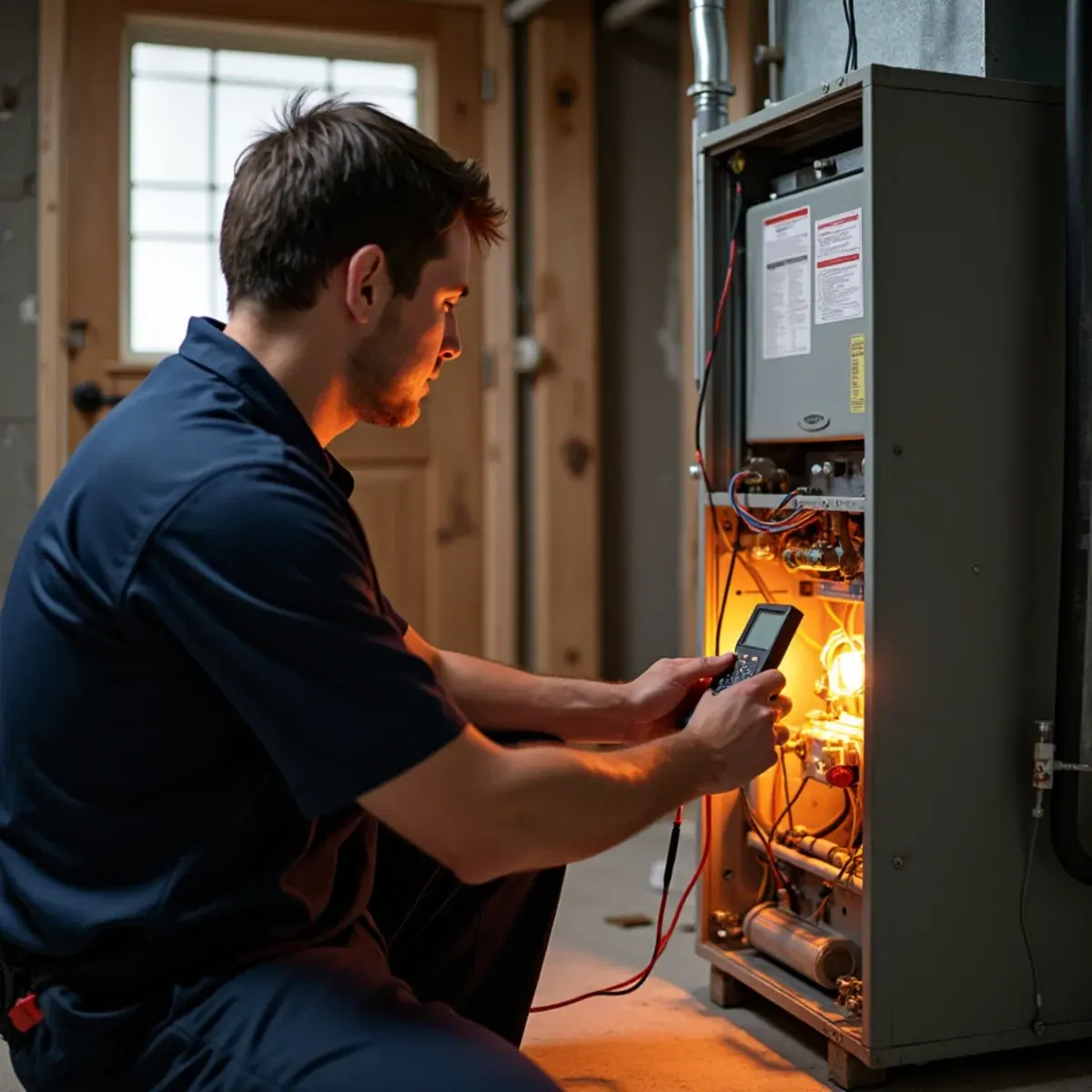
Heating repair in White Plains, NY usually means a furnace or heat pump that won’t ignite, won’t stay lit or can’t keep the house warm. Bella Family Air Solutions tests the system, finds the failed part, explains the fix and its cost, and repairs gas and oil furnaces and heat pumps of every make once you approve.
A furnace that quits on a February evening in White Plains doesn’t give you much time to research. Most forced-air failures come down to a short list of parts — ignitor, flame sensor, pressure switch, inducer motor, control board, blower capacitor — and a technician who knows the ignition sequence can usually pin the fault within the first half hour.
We repair and replace gas and oil furnaces, air handlers and heat pumps of every make. If your home runs on hot water or steam instead, see our boiler repair page; if an oil-fired furnace is the problem, our oil burner service covers nozzles, filters and combustion tuning. And if the house is cold right now, go straight to no-heat repair.
Furnace and Heat Pump Problems We Fix
Some of these can wait a day. Others mean the system is protecting itself and needs attention soon.
Blower runs but the air is cold
Often a failed hot-surface ignitor, a dirty flame sensor that drops the burners after a few seconds, or a gas valve that isn’t opening.
Blinking light on the control board
Modern furnaces store fault codes for pressure switch, limit and ignition failures. We read them first; they save time and your money.
Short heating cycles
A clogged filter or restricted return makes the heat exchanger overheat and trip the high-limit switch, then restart a few minutes later.
Lazy yellow or lifting flame
Healthy gas flames are steady and blue. Yellow tips or flames that roll out point to combustion trouble and warrant a CO test.
Heat pump coated in ice
Light frost is normal in winter. A solid block of ice means the defrost cycle, a sensor or the refrigerant charge needs a look.
Loud blower or rattling cabinet
Worn motor bearings, a loose blower wheel or a failing inducer motor get louder before they stop.
Emergency heating repair: safe checks before you call
No heat on a cold night in North White Plains or Highlands? If you smell gas, notice a burning odor or your CO alarm sounds, get everyone out and call 911 or your gas utility from outside — skip everything below. Otherwise, these furnace-specific checks take five minutes and sometimes save a service call:
Thermostat set to HEAT, a few degrees above room temperature, with fresh batteries.
Furnace service switch (it looks like a light switch on or near the unit) is on, and the breaker was checked once.
Blower door is fully seated — most furnaces won’t run with the panel loose.
Filter isn’t caked with dust; a clogged filter trips the high-limit switch.
High-efficiency furnace? After snow or a hard freeze, make sure the white PVC intake and exhaust pipes outside aren’t blocked by snow or ice.
Oil furnace? Check the tank gauge, then press the burner reset button once only.
Stop there if the furnace still won’t fire, the breaker trips again or anything smells burnt. Repeated resets can flood an oil burner or mask a failing part — call us and tell us what you saw.
While you wait: open cabinet doors under sinks on outside walls and let faucets drip. Frozen pipes turn a heating repair into a plumbing claim. Our full no-heat emergency repair page and the first-30-minutes HVAC checklist cover more.
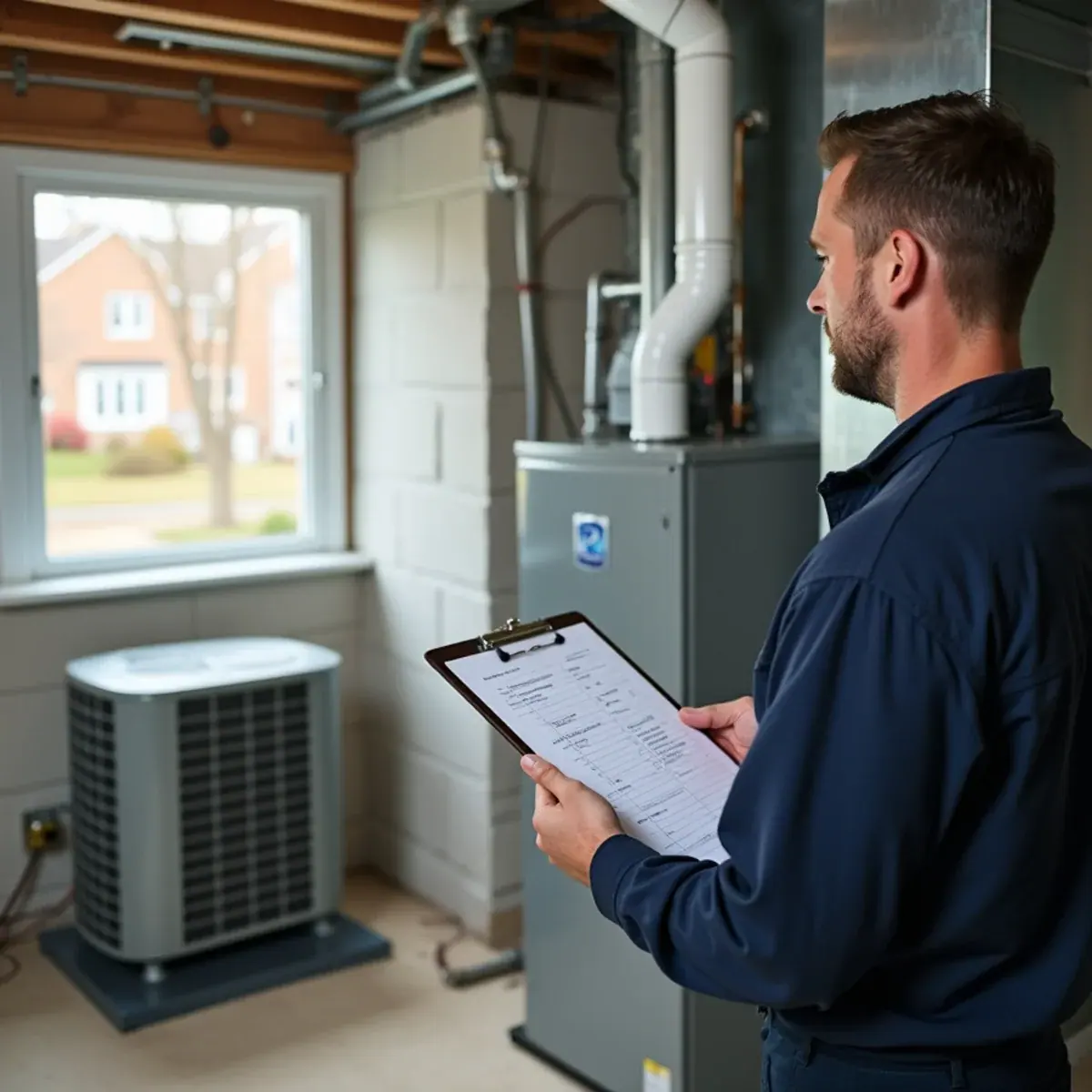
What you get from a furnace or heat pump repair visit
The repair itself is only part of the call. These are the checks and records that come with it, so the next cold night doesn’t bring the same problem back.
Thermostat and control wiring verified
We confirm the thermostat is calling correctly, the low-voltage wiring is sound and, on heat pumps, that auxiliary heat and the reversing valve are wired and staged the way the equipment expects. Miswired thermostats cause more no-heat calls than people think.
Venting and combustion air inspected
On standard furnaces we look at the flue connector and chimney connection; on 90%+ models we check the PVC intake and exhaust terminations and the condensate trap. A blocked vent or frozen trap shuts a furnace down just like a failed part.
Blower assembly and capacitor tested
The blower motor’s capacitor is measured against its rating, the wheel is checked for dust buildup and the motor’s amp draw is recorded. A weak blower overheats the heat exchanger and trips the limit switch, so it’s part of every heating diagnosis.
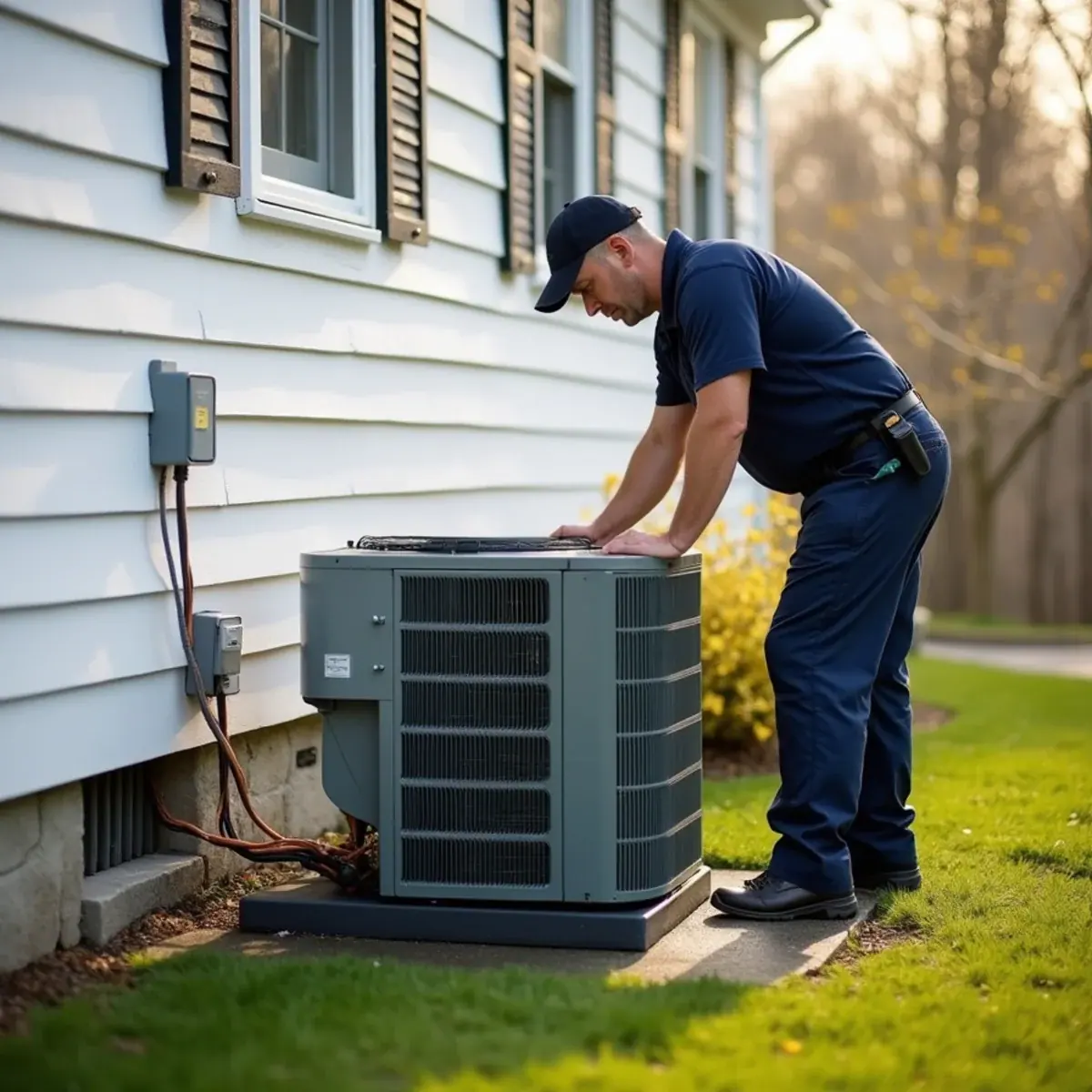
Heat pump winter components
For heat pumps, the defrost control, outdoor sensors, auxiliary heat strips and outdoor fan are tested alongside the indoor unit. A heat pump that ices over or leans on backup heat all day usually has a fault in this group.
Filter size and return air noted
We write down the correct filter size and check that the return isn’t starved by closed grilles or furniture. You leave knowing exactly which filter to buy and how often a house like yours needs it changed.
Early-wear parts flagged, not replaced
Ignitors, flame sensors and inducer motors that are wearing but still working get noted in the record with the reading that concerned us. You decide whether to replace them now or watch them, and nothing is swapped without your approval.
Written record and repair warranty
You get the model and serial numbers, what failed, what we replaced and the readings after the repair. Repair work carries a written warranty, with terms that depend on the job and the part involved.
How We Diagnose and Repair Heating Systems
Every heating call follows the same logic, whether the equipment is two years old or twenty-five.
1
Confirm the basics
Thermostat call, power at the unit, filter condition, gas supply or oil level. It takes minutes and rules out the simple stuff.
2
Walk the ignition sequence
We watch the inducer, pressure switch, ignitor, gas valve and flame sensor in order, measuring flame-sensor microamps rather than guessing.
3
Check combustion and safety
A combustion analyzer and CO test confirm the burners are clean and venting properly. We inspect the heat exchanger for cracks where it’s accessible.
4
Explain and repair
You get the finding, the options and the cost before we replace anything.
5
Verify temperature rise
We measure supply and return temperatures so the furnace is heating within the range printed on its rating plate.
What Affects the Cost of Heating Repair
We price the repair after the diagnosis. These are the factors that make the biggest difference.
Which part failed. An ignitor or flame sensor is a smaller job than an inducer motor, control board or gas valve.
Equipment age. Parts for older or less common furnaces can take longer to source.
Furnace or heat pump. Heat pump work may involve refrigerant, which adds EPA-regulated handling and testing.
Location of the unit. Attic and crawlspace installations take more time than an open basement.
Replacement scope. New equipment may need venting changes, duct transitions, a condensate line or electrical work.
Our technicians explain the problem and each option before starting. If a repair doesn’t make financial sense on an older furnace, we’ll say so rather than sell you a part you won’t get value from.
Heating repair and replacement costs in White Plains
These are researched local planning ranges for White Plains and Westchester (2026) — not quotes and not our price list. We price your job after the diagnosis.
Heating repair and replacement costs in White Plains — 2026 planning ranges
Job
Planning range
What moves the price
Furnace repair
$175 – $2,000+
Ignitor or flame sensor at the low end; inducer motor, control board or gas valve higher.
Heating tune-up
$85 – $225
Ask exactly what’s cleaned and tested — burners, flame sensor, combustion and CO.
Furnace replacement
$4,900 – $8,850
Fuel type, capacity, efficiency, venting or chimney liner, duct transitions and startup testing.
Heat pump installation
$8,000 – $14,600
Cold-climate model, backup heat, electrical capacity, ductwork and rebate eligibility.
Permit & inspection
$85 – $450
When a replacement requires one — confirm with the White Plains Building Department.
Planning ranges from 2026 local research. Your written estimate is the only price that counts.
Repair or Replace Your Furnace?
Most gas furnaces last 15 to 20 years with regular service. Age alone isn’t the deciding factor, though. A cracked heat exchanger is, because it can let combustion gases into the airstream, and that’s a replacement conversation. So is a furnace that needs a major part every season.
On the other hand, a 12-year-old furnace with a failed ignitor is a repair, full stop. We give you both paths when they’re realistic. For a deeper look at costs, read our comparison of furnace vs. heat pump replacement in Westchester.
Heat Pumps and Installation Done Properly
Cold-climate heat pumps now carry many Westchester homes through winter, often paired with an existing furnace as backup. Whatever you install, size matters: we base recommendations on a Manual J load calculation and match equipment with Manual S, not on the size of the old unit. Oversized systems short-cycle and leave rooms clammy; undersized ones run all day in January.
Rebate programs from Con Edison and NYSERDA can offset part of a heat pump project, but eligibility and amounts change. Check current terms before you sign; our guide to heat pump rebates for Westchester homes explains how they work. We serve homes throughout central Westchester, including Hartsdale, where many split-levels still run their original duct systems.
Replacing a furnace? What the quote should include
Two furnace quotes can differ by thousands because one leaves out work the other includes. Before you compare totals, make sure each one spells out:
Line by line
Make, model, capacity (BTU) and efficiency (AFUE) of the new furnace
How the size was chosen — a Manual J load calculation, not the old unit’s nameplate
Venting: a chimney liner for 80% furnaces, or PVC intake/exhaust and a condensate drain for 90%+ models
Duct transitions, filter rack, thermostat and any electrical or gas-line changes
Who pulls the White Plains mechanical permit and schedules the inspection (current rules: White Plains Building Department, 255 Main Street)
Removal and disposal of the old furnace
Startup testing: combustion analysis, CO check, gas pressure and temperature rise — with the readings recorded
Manufacturer parts warranty (and who registers it), labor warranty and workmanship coverage
Payment milestones tied to delivery, installation and startup — not the full price upfront
Older homes around White Plains, Scarsdale and Harrison often have altered ductwork, additions and electrical service that was never planned for central equipment. A new furnace sized to the old one can short-cycle and leave rooms uneven — the assessment should cover the house and the ducts, not just the box in the basement.
Why homeowners trust Bella Family Air Solutions with furnace and heat pump repair
Experience with furnaces nobody makes anymore
Our technicians bring at least 15 years of work history each. That matters in Westchester, where a 20-year-old furnace may have a replacement board from one brand and a thermostat from another, and the wiring diagram inside the door no longer matches what’s installed.
The problem explained before the toolbox opens
Reviewers keep mentioning that the technician explained the problem in detail before starting. On a heating call, that means you hear whether it’s a small part like a flame sensor or a heat exchanger conversation before any work is approved, not after the invoice prints.
A person on the line after dark
Furnaces tend to quit on the coldest nights, often after the office would normally be closed. Our line runs 24 hours and a real person answers, gives you the safe checks to try and tells you honestly when a technician can get there.
Clean work in finished basements
Many furnaces around White Plains sit in finished basements and utility closets. Customers describe our technicians as clean and neat, and cleaning is done with non-toxic, non-abrasive Nu-Calgon products, so a repair doesn’t leave soot, dust or chemical smell behind.
Where we work
Heating Repair near you
We provide heating repair in White Plains and these nearby communities — plus the rest of Westchester County.
Forced-air heating is most common in the postwar neighborhoods north and west of White Plains. Split-levels and ranches across Greenburgh, Ardsley and Elmsford often still run furnaces tied to their original duct systems, and those ducts shape how well any repair performs.
Further north, homes around Yorktown Heights, Somers and Mount Kisco are more likely to heat with oil furnaces or to be adding heat pumps, which puts ignition, combustion and defrost problems on the same service route. We cover them all from our Fairview shop in White Plains.
Why does my furnace turn on and then shut off after a few seconds?
The most common cause is a dirty or corroded flame sensor. The burners light, the sensor can’t confirm the flame and the control board shuts the gas valve for safety. After a few tries the furnace locks out. Cleaning or replacing the sensor usually fixes it, but we also check grounding and gas pressure because they can cause the same symptom.
How often should a furnace be serviced?
Once a year, ideally in early fall before the first cold night. A tune-up covers burner cleaning, flame sensor, ignitor, blower, filter and a combustion and CO check. Our HVAC maintenance program pairs that fall visit with a spring cooling service, and it catches most of the problems that otherwise show up as emergency calls.
Do heat pumps actually work in Westchester winters?
Cold-climate models are designed to keep producing heat well below freezing, and many homeowners here use them as a primary system. Performance drops as temperatures fall, so we often recommend keeping an existing furnace as backup or confirming the heat pump is sized for the coldest days. The right answer depends on your ductwork, insulation and fuel costs.
What should I do if I smell gas near my furnace?
Don’t touch light switches, the thermostat or the furnace. Get everyone out of the house, then call 911 or your gas utility from outside. Once the utility has made the house safe, call us to find and repair the cause. A furnace should never be restarted while a gas odor is present.
How much does furnace repair cost in White Plains?
Researched local planning ranges run about $175 to $2,000+. A flame sensor cleaning or ignitor sits at the low end; an inducer motor, control board, gas valve or blower motor costs more, and access and parts availability matter. We diagnose first and give you the price for each option before any work starts.
When should I repair my furnace, and when should I replace it?
Repair when the fault is isolated and the rest of the furnace is sound — a 12-year-old unit with a failed ignitor is a repair. Price replacement when breakdowns keep repeating, parts are hard to source, rooms stay uneven, the heat exchanger is cracked, or one major repair approaches the cost of a new furnace.
Do I need a permit to replace a furnace in White Plains?
Replacing or altering heating equipment may require a White Plains mechanical permit and inspection, and work shouldn’t start before a required permit is issued. Confirm current rules with the White Plains Building Department at 255 Main Street, and make sure your quote says who pulls the permit and schedules the inspection.
Why does my furnace smell like something is burning the first time I turn it on?
A dusty, hot smell for the first half hour of the season is usually dust burning off the heat exchanger and burners after a summer idle. It should fade quickly. A sharp electrical smell, a smell that doesn’t go away or visible smoke is different: shut the furnace off and call, because that points to a motor, wiring or overheating problem.
Why is my high-efficiency furnace leaking water?
Furnaces rated 90% and above produce condensate, which drains through a trap, hose and sometimes a small pump. When the trap clogs, a hose cracks or the pump fails, water leaks and the pressure switch often shuts the furnace down. We clean the trap, check the drain path and confirm the switch responds, since a frozen or blocked line causes repeat lockouts.
Why does my heat pump blow cooler air than my old furnace did?
That’s normal to a point. A heat pump delivers warm air at a lower temperature than a gas furnace and runs longer cycles, so the vents feel less hot. During defrost it can briefly blow cool air. If the air stays cold, the outdoor unit is buried in ice or the backup heat never engages, the system needs diagnosis.
Written by the Bella Family Air Solutions team · Last reviewed . Planning ranges, permit and rebate guidance are reviewed at least quarterly.
Weighing a new furnace against a heat pump? Here are rough planning ranges for Westchester homes, the factors that push prices up or down, and how rebates fit into the math.
Which utility serves your Westchester address, how NYS Clean Heat incentives flow through participating contractors, where NYSERDA’s EmPower+ fits, and what to confirm before counting on any rebate.