Boiler repair in White Plains, NY covers hot-water and steam boilers that won’t fire, leave zones cold, leak or push pressure too high. Bella Family Air Solutions finds the failed part, then cleans the burners and purges the system zone by zone, so trapped air and pressure problems are corrected rather than patched for another week.
Boilers heat a large share of the older homes in and around White Plains, and they fail differently than furnaces. A hot-water system with air trapped in one zone leaves a bedroom cold while the rest of the house is fine. A waterlogged expansion tank makes pressure climb until the relief valve spits water on the floor. A steam boiler with a sticky low-water cutoff shuts down on a perfectly good day.
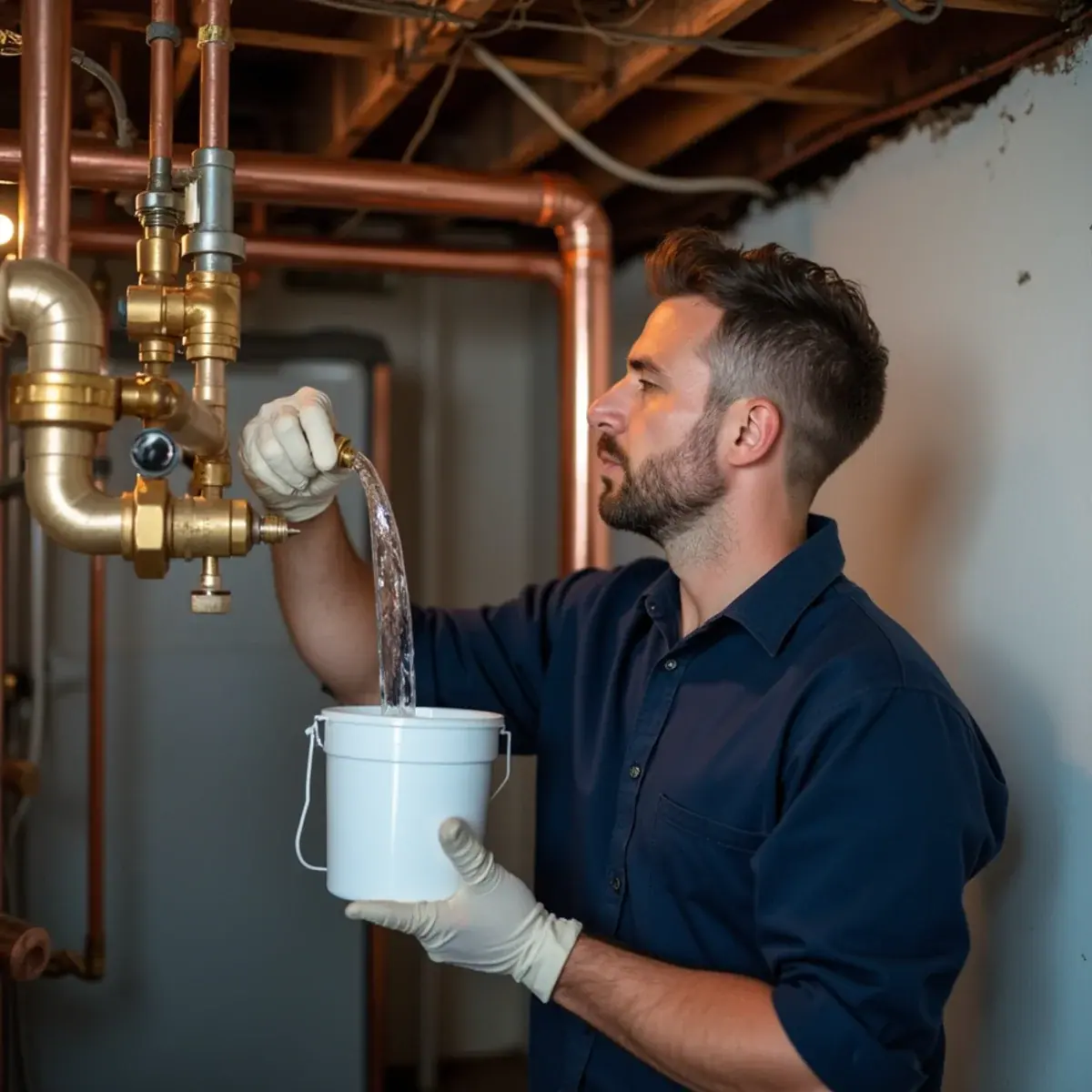
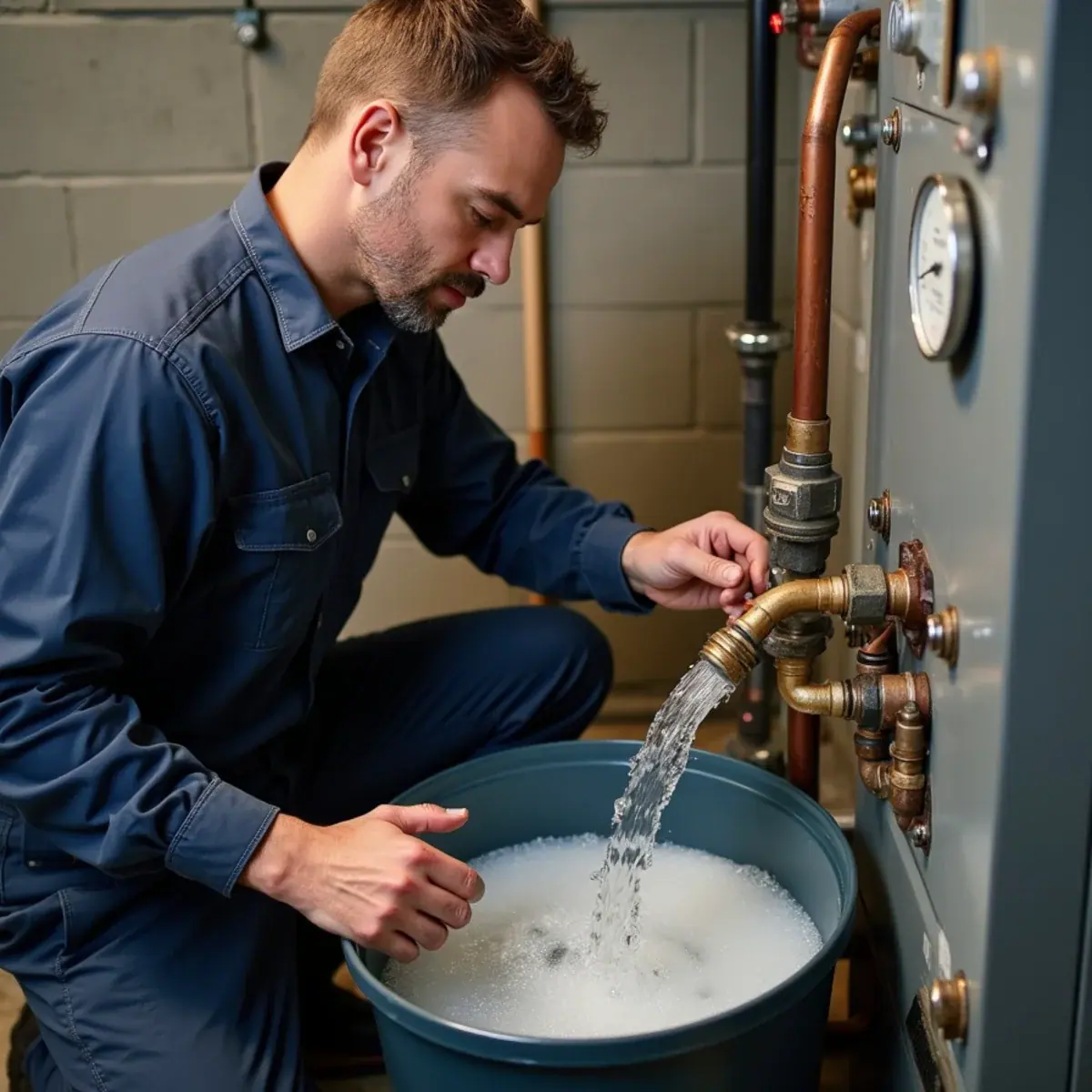
Our boiler service is thorough by design. We pull and clean the burners, then drain and purge the system zone by zone to remove trapped air and correct over-pressurizing, rather than bleeding one radiator and hoping. It’s the step many companies skip, and it’s the reason the same cold zone keeps coming back. For radiator-and-main-vent systems, see our steam heating page; for oil-fired boilers, our oil burner service covers the burner side in detail.
Signs Your Boiler Needs Service
Boilers tend to tell you what’s wrong, if you know how to read them.
Relief valve dripping or discharging
Pressure is reaching the valve’s rating, often 30 psi on residential hot-water boilers. Usually a failed expansion tank or a leaking fill valve.
One zone stays cold
Air bound in the piping, a stuck zone valve or a failed circulator. Purging and testing each zone sorts it out.
Gurgling or rushing water in the pipes
Air circulating through the system, which also accelerates corrosion.
Kettling or rumbling
Scale or sludge in the heat exchanger making water flash to steam. Efficiency drops and the metal is stressed.
Steam boiler short-cycling or tripping off
A dirty low-water cutoff, a misadjusted pressuretrol or a clogged pigtail can all shut a steam boiler down.
Water under the boiler
Could be a valve or fitting, or a cracked section in a cast-iron boiler. We find out which before recommending anything.
Boiler not heating or leaking? Safe checks before you call
Smell gas or oil fumes, see smoke or hear the CO alarm? Get everyone out and call 911 or your gas utility from outside — skip the list. Otherwise, these boiler checks take a few minutes and tell our technician a lot:
Thermostat set to HEAT and a few degrees above room temperature, with fresh batteries.
Emergency switch (usually a red-plate switch at the top of the basement stairs or on the boiler) is on.
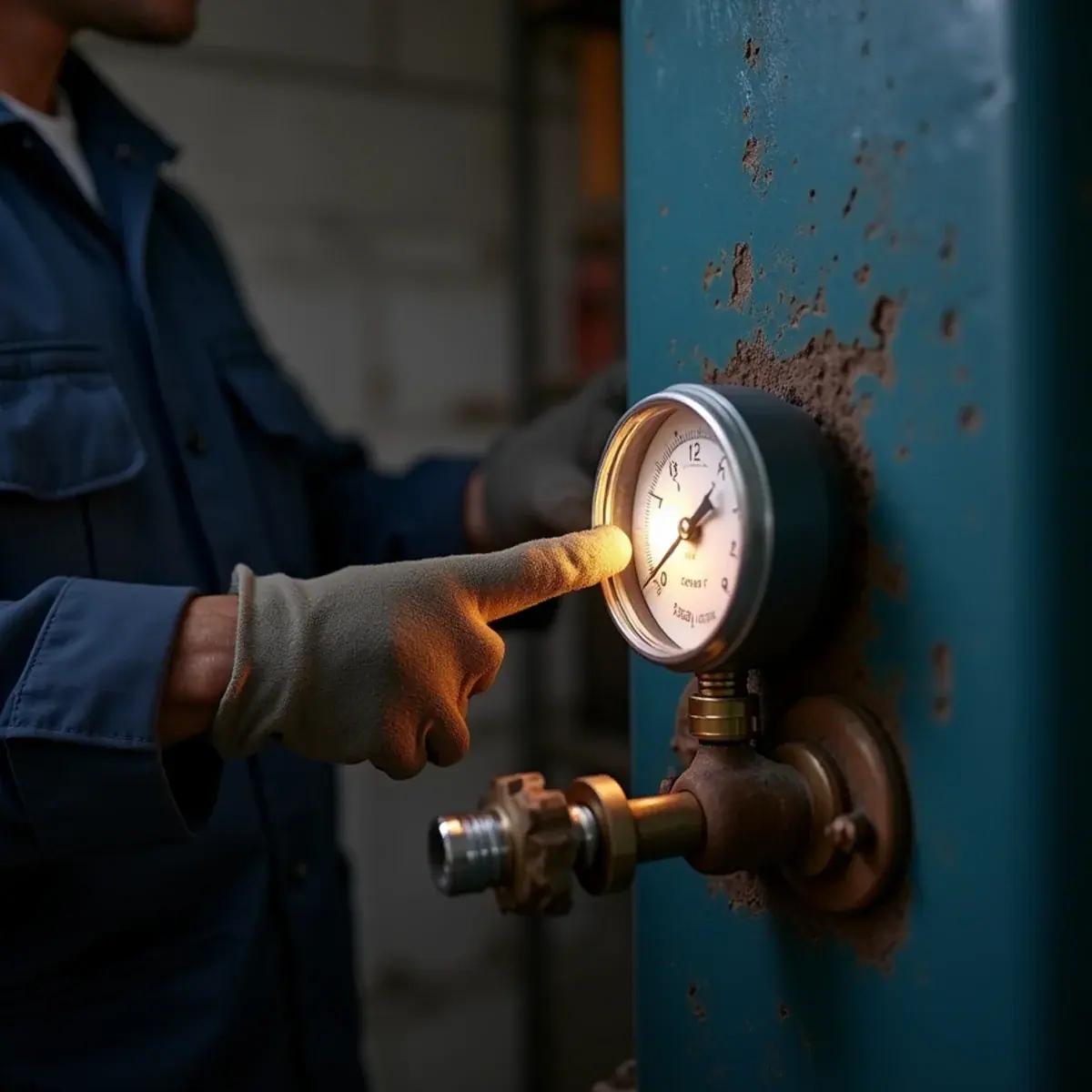
Hot-water boiler: note the pressure gauge. Most homes run roughly 12–25 psi; if it’s near 30 psi or the relief valve is discharging, shut the boiler off at the emergency switch.
Steam boiler: look at the sight glass. If the water level isn’t visible, turn the boiler off — never add cold water to a hot steam boiler.
Oil-fired? Check the tank gauge, then press the burner reset button once only.
Water under the boiler? Shut the boiler off and, if you can reach it safely, close the cold-water feed valve.
Stop there if it still won’t fire, the reset trips again or water keeps coming. Repeated resets can flood an oil burner with fuel, and running a steam boiler dry can crack it — call us and tell us what the gauges read.
During a cold snap with no heat, open cabinet doors under sinks on outside walls, let faucets drip and keep an eye on baseboard in unheated rooms — a frozen hot-water zone can split a pipe. Our no-heat emergency repair line answers 24/7, and the first-30-minutes HVAC checklist covers more.
What’s included in a boiler repair visit
Beyond the part that failed, a boiler call covers the pieces of the system around it. These are the checks and records you should expect from us.
A zone map of your system
We match each zone valve or circulator to the thermostat and rooms it serves and label it where practical. The next time a bedroom goes cold, you and any technician can tell in seconds which zone is involved.
Domestic hot water side checked
If the boiler also makes your hot water, through a tankless coil or an indirect tank, we check that side too, including the mixing valve that prevents scalding. A boiler repair that ignores the hot water is only half finished.
Near-boiler piping and valve condition
Weeping fittings, corroded supply and return valves, and crusted-over sections get noted with photos. Many older White Plains boiler rooms have piping altered by several contractors, and knowing its condition shapes every future repair decision.
Flue, draft and chimney connection
We inspect the flue pipe, the barometric damper on oil and atmospheric gas boilers and the connection to the chimney. Poor draft causes soot, odors and nuisance shutdowns, and it has to be right before a repair can be called done.
Steam controls and sight glass
On steam boilers, the gauge glass is cleaned so the water line is readable, and the pigtail, pressure control and low-water cutoff are checked. Our steam heating service covers main vents and piping in more depth.
Gauge readings written down
We record the cold fill pressure and operating temperature on hot-water systems, or the cut-in and cut-out settings on steam. Those numbers are your reference point: if the gauge wanders later, you’ll know it.
A quick owner’s walkthrough
Before we leave, we show you the emergency switch, the water feed valve and what the gauge should normally read. Steam owners also learn how to check the water line safely, so a small problem gets caught early.
What Our Boiler Service Includes
This is the sequence we follow on a standard hot-water boiler call. Steam systems follow a parallel path with their own controls.
1
Read the system
Pressure and temperature gauge, relief valve, expansion tank charge, circulators and zone valves.
2
Clean the burners
Burners come out and are cleaned with non-toxic Nu-Calgon products; the combustion chamber is vacuumed.
3
Drain and purge zone by zone
We isolate each zone and flush air out until the water runs solid, then set the fill pressure, typically around 12 to 15 psi cold.
4
Test the safeties
High limit, low-water cutoff where fitted, flame safeguard and relief valve condition.
5
Combustion and CO check
We confirm clean combustion and proper venting before the job is closed out.
What Affects Boiler Repair Cost
No two boiler rooms look alike, and the cost reflects that.
Hot water or steam. Steam systems have their own controls and vents; hot-water systems have circulators, tanks and zone valves.
Number of zones. A full purge on a four-zone house takes longer than a single-zone ranch.
Fuel. Oil burners need nozzle and filter work that gas burners don’t.
Part failed. An expansion tank or fill valve is a routine replacement; a circulator or control is more involved.
Age and piping. Old piping and seized valves can turn a simple repair into a larger one.
Our techs explain what they found and each option before starting. If a boiler has a cracked section, we’ll tell you plainly that repair isn’t realistic and walk you through replacement.
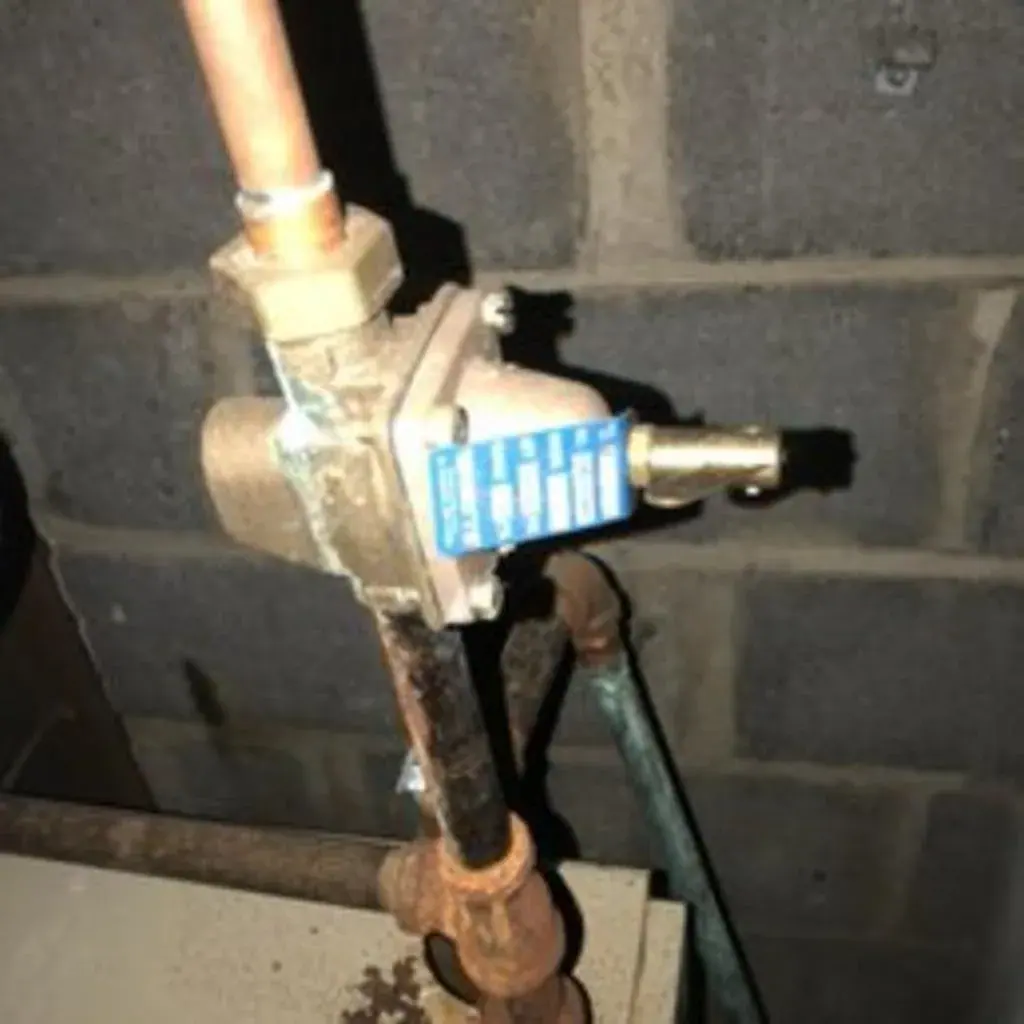
From our job files: boiler feed valve check.
Why the Zone-by-Zone Purge Matters
Air is the quiet enemy of a hot-water system. It blocks flow, makes noise and brings in oxygen that corrodes iron parts. Bleeding a radiator at the top of the house removes a little of it. Purging each zone from the boiler pushes it all out. Pair that with a properly charged expansion tank and correct fill pressure, and the relief valve stops weeping and the cold room warms up.
Cast-iron boilers can run for decades with good care, so age alone doesn’t condemn one. A cracked section, a heat exchanger leaking into the firebox or repeated failures on an old, oversized unit are different stories. When replacement is on the table, we look at heat loss, the piping you already have and whether an indirect water heater makes sense alongside the new boiler. Our guide to boiler replacement cost in New York covers what drives a quote.
Replacing a boiler? What the quote should include
Boiler quotes vary more than almost any other HVAC job because so much of the work is in the piping. Before comparing totals, make sure each proposal spells out:
Line by line
Make, model, output and efficiency (AFUE) — and whether it’s a steam or hot-water boiler to match your radiators
How the size was chosen: a heat-loss calculation for hot water, or the connected radiation (EDR) for steam — not the old boiler’s nameplate
Near-boiler piping to the manufacturer’s specification, including steam headers or hot-water circulators, air separation and expansion tank
Venting: chimney liner for oil or atmospheric gas boilers, or PVC/stainless venting for high-efficiency models
Whether an indirect water heater is included or priced as an option
Fuel work: oil tank, lines and filter, or gas piping changes — and oil-tank removal or abandonment if you’re switching fuels
Who pulls the White Plains permit (if required) and schedules the inspection — current rules come from the White Plains Building Department, 255 Main Street
Removal and disposal of the old boiler
Startup: combustion analysis, CO check, low-water cutoff and relief valve test, zones purged and pressure set — with readings recorded
Manufacturer warranty on the heat exchanger and parts (and who registers it), labor warranty, workmanship coverage and payment milestones
Older homes around Scarsdale Village and Highlands often have boilers that were oversized decades ago or re-piped by several contractors, and Hartsdale’s garden co-ops run central boiler plants managed by the building — for those, residents should start with their super. If you’re considering a heat pump, keeping a sound boiler as backup or for domestic hot water is often the smarter first step; see our boiler replacement cost guide and oil-to-heat-pump conversion options.
Why radiator and baseboard homes choose Bella Family Air Solutions for boiler repair
Zone-by-zone purging on every hot-water call
Bleeding a single radiator hides the symptom. Draining and purging each zone from the boiler removes the air that causes cold rooms, gurgling pipes and pressure swings. It takes longer, and it’s the reason customers stop calling about the same cold bedroom every January.
Technicians who stay until it runs
One recurring review theme is that the technician stayed until the boiler worked. A boiler repair isn’t done when the part is in: it’s done when the burner fires cleanly, the zones heat and the pressure settles where it belongs.
Steam and cast iron are familiar ground
With a minimum of 15 years of work history, each technician has worked on plenty of one-pipe steam systems, old cast-iron sectional boilers and converted oil-to-gas burners. That experience shortens diagnosis on the systems that confuse newer technicians.
Straight answers about cracked sections
When a boiler section is cracked or the heat exchanger leaks into the firebox, we say so and explain why a repair won’t hold. When a boiler is sound and only needs a part, we say that too, with the cost of each path before work begins.
Where we work
Boiler Repair near you
We provide boiler repair in White Plains and these nearby communities — plus the rest of Westchester County.
Steam heat is concentrated in the older, denser parts of southern Westchester. Pre-war homes in Scarsdale and Bronxville, and apartment houses and two-families in Yonkers and Mount Vernon, keep our steam work steady all winter. Our article on steam heat in pre-war homes explains why those systems behave the way they do.
Hot-water baseboard dominates the postwar colonials and capes of Eastchester, Pelham and Harrison, where multi-zone systems make air trapped in one loop the most common complaint we hear.
The relief valve opens when system pressure hits its rating. The usual culprits are a waterlogged or undercharged expansion tank that no longer absorbs heat expansion, or a leaking fill valve that keeps pushing water in. Replacing the relief valve alone doesn’t fix either. We check the tank charge and the fill valve, then purge and reset the system pressure.
How often should a boiler be serviced?
Once a year, before heating season. Oil-fired boilers need it more than gas because soot builds on the heat exchanger and cuts efficiency. Annual service includes burner cleaning, combustion testing, safety checks and, on hot-water systems, a look at pressure and air. It’s far cheaper than a mid-January breakdown.
Can you fix a boiler that heats some rooms but not others?
Yes, that’s one of our most common calls. It’s usually air trapped in that zone, a zone valve that isn’t opening or a circulator that has failed. Our zone-by-zone purge clears the air, and we test each valve and pump while we’re there. If balancing is the issue, we adjust that too.
Is a boiler leak an emergency?
A small drip at a valve can usually wait for a scheduled visit. Water pouring from the boiler, a pressure gauge climbing past 30 psi or a leak near electrical controls is urgent. Shut the boiler off at the emergency switch, close the water feed if you can do so safely and call our 24/7 emergency line.
Should I repair or replace my old boiler?
Repair when the problem is a part — an expansion tank, fill valve, circulator, zone valve or control — and the boiler itself is sound; cast iron can last decades with care. Price replacement when a section is cracked, the heat exchanger leaks into the firebox, failures keep repeating or an oversized old unit burns far more fuel than the house needs.
Do I need a permit to replace a boiler in White Plains?
Replacing or altering heating equipment may require a White Plains mechanical permit and inspection, and fuel, venting or chimney changes can affect the scope. Confirm current requirements with the White Plains Building Department at 255 Main Street, and make sure your quote states who pulls the permit and schedules the inspection.
Can a heat pump work with my existing boiler?
Often, yes. Many Westchester radiator homes add a heat pump for cooling and mild-weather heating while keeping a sound boiler for the coldest nights or for domestic hot water through an indirect tank. It depends on the boiler’s condition, your electrical service and how the heat pump is distributed, so it’s worth a site visit before deciding.
Why does my boiler keep losing pressure?
A hot-water boiler that needs refilling has water leaving somewhere. The usual suspects are a relief valve discharging during heat-up, a slow leak at a radiator valve or buried pipe, an automatic air vent spitting water, or a failed expansion tank. Topping it up hides the leak and brings fresh oxygen that corrodes iron parts, so the source needs finding.
Do you service the tankless coil inside my boiler?
Yes. Many older boilers heat domestic water through a coil in the boiler itself. Scale builds up inside it over time, so showers turn lukewarm and the boiler runs all summer. We can descale or replace the coil and check the mixing valve, or explain when an indirect tank would serve the house better.
Why does my hot-water boiler turn on and off constantly in mild weather?
Frequent short cycles in fall and spring usually mean the boiler is larger than the house needs on a mild day, or its high-limit and differential settings are too tight. Short cycling wastes fuel and wears ignition parts. Adjusting the controls often helps; for badly oversized boilers, it becomes part of a replacement conversation.
Written by the Bella Family Air Solutions team · Last reviewed . Planning ranges, permit and rebate guidance are reviewed at least quarterly.
Gurgling pipes and cold baseboards usually mean trapped air. Here’s how a technician should purge a hot-water boiler zone by zone, set fill pressure and check the expansion tank.
Boiler replacement cost in New York depends on far more than the boiler. Here’s how steam vs. hot water, fuel type, chimney liners, piping, permits and tank removal shape the price.