Emergency
What to Do When Your Heat Goes Out on a Westchester Winter Night
Heat quit after dark? Here is what to check first, what never to touch, how to keep pipes from freezing and when a no heat emergency in Westchester needs a tech tonight.
24-hour emergency service · Family-owned since 1976
Licensed, bonded & insured · EPA Universal Certified · BBB Accredited A+
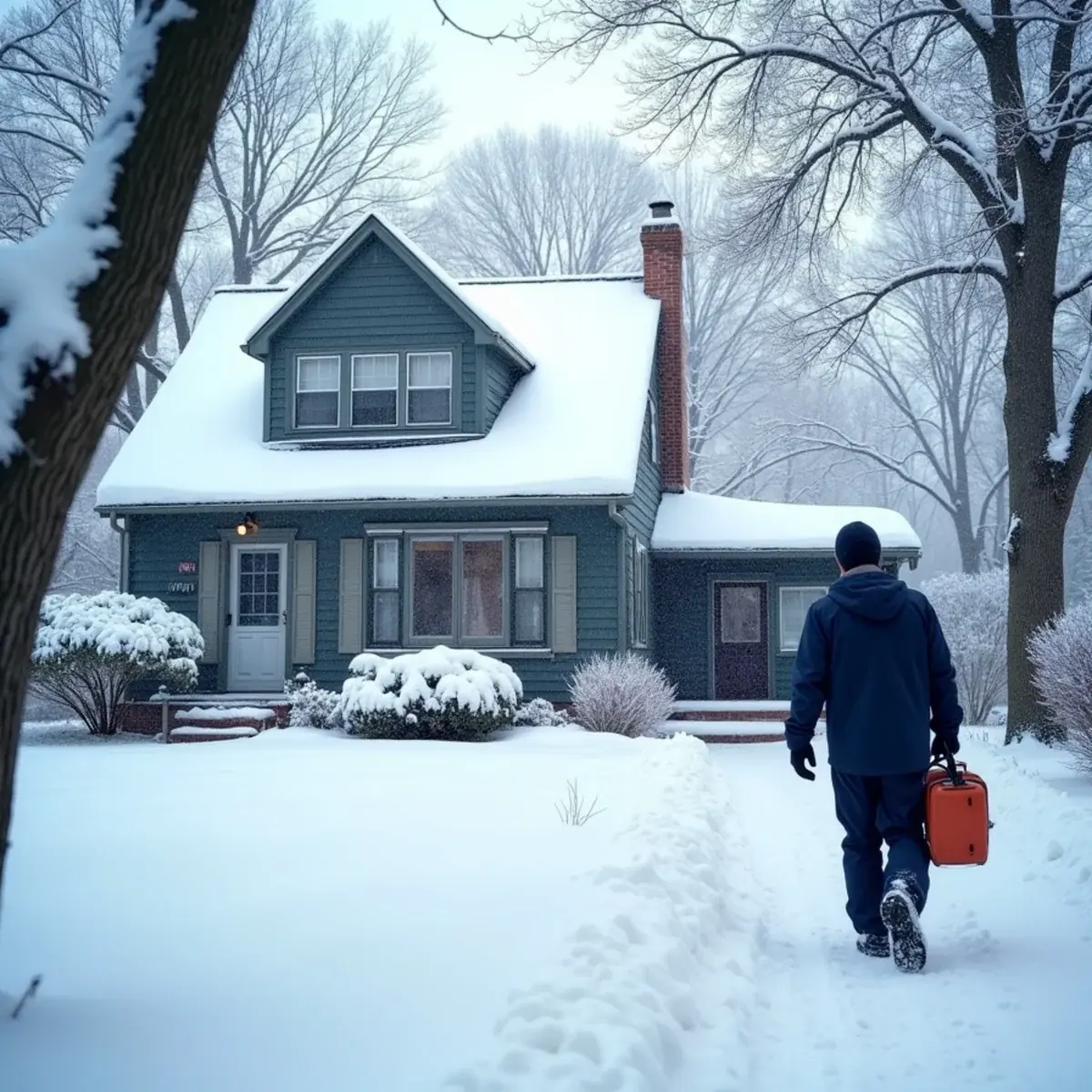
24/7 emergency service · White Plains & Westchester
When the house is cold, you need a fast diagnosis on a furnace, boiler, oil burner or heat pump, and a clear plan to get warm again.
No heat repair in White Plains, NY starts with a call answered 24 hours a day and a technician who works on every heating type found here: gas and oil furnaces, hot-water and steam boilers, oil burners and heat pumps. We find the failed part, test for carbon monoxide before restarting and stay until the house is warming.
A cold house in a Westchester winter goes from uncomfortable to risky quickly. Pipes in outside walls start freezing, and the people most sensitive to cold feel it first. We take no-heat calls 24 hours a day and aim to have heat back the same day whenever the repair allows it.
Before you call, a few quick checks can sometimes get the heat back in minutes. If they don’t work, our technicians handle every type of heating system in the area: gas and oil furnaces (heating repair), hot-water and steam boilers (boiler repair), oil burners (oil burner service) and heat pumps.
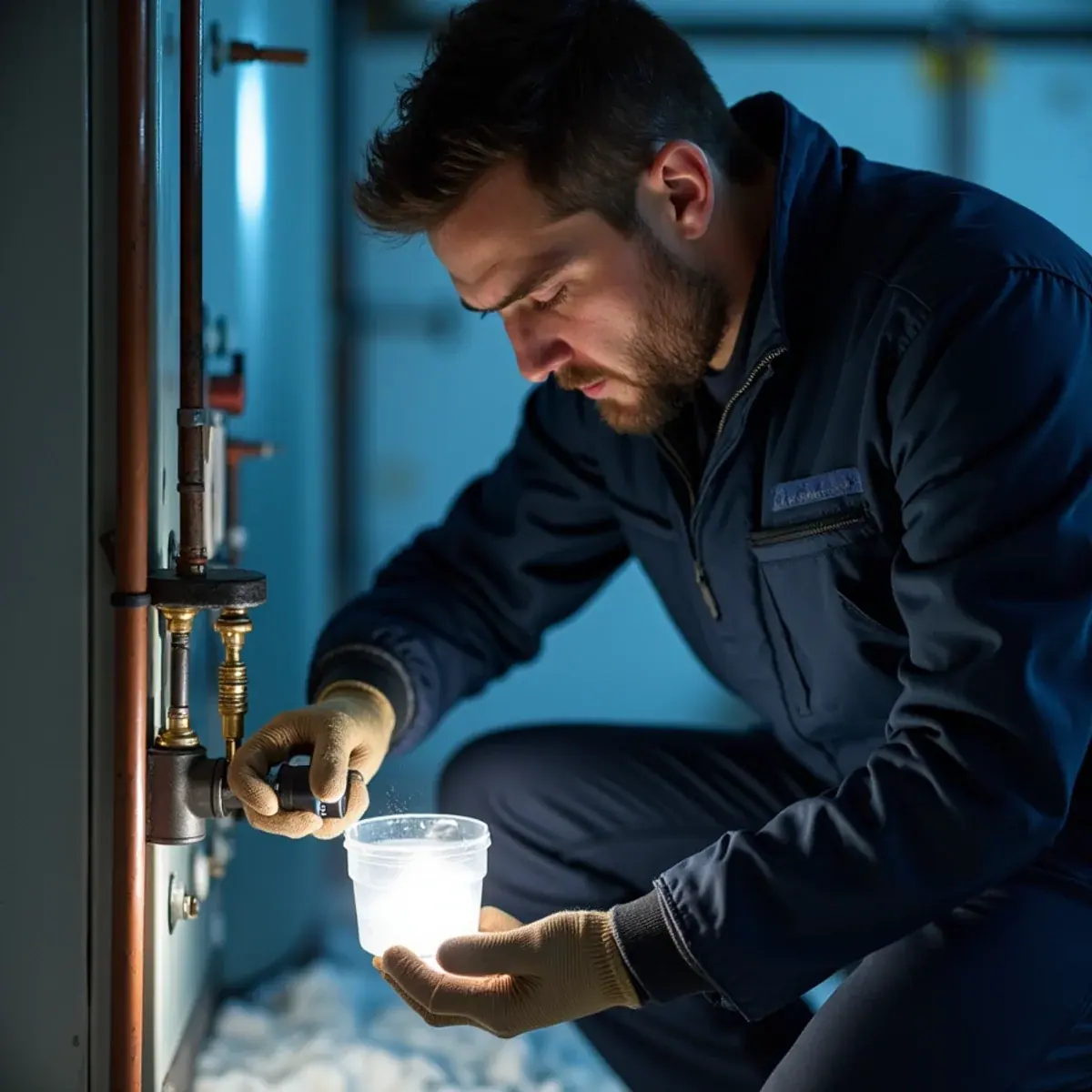
When a furnace quits during a North White Plains cold snap or a boiler goes quiet in an older Highlands home, the first decision isn’t about the thermostat — it’s about safety. Sort your situation first, then use the checks below.
These take a few minutes and solve a surprising share of no-heat calls. Skip any step that doesn’t feel safe.
Thermostat
Set to Heat, set above room temperature, fresh batteries. A blank display usually means dead batteries or a tripped breaker.
Emergency switch
Many basements have a red-plate switch at the top of the stairs or near the boiler. It’s easy to flip off by mistake.
Breaker panel
Look for a tripped breaker labeled furnace, boiler or burner. Reset it once.
Oil tank level
Check the gauge. Running out of oil pulls sludge into the line and usually needs a tech to rebleed the burner.
Furnace filter
A clogged filter can trip the high limit and shut down the burners. Replace it and wait a few minutes.
Vent pipes outside
High-efficiency furnaces vent through PVC pipes in the side wall. Snow drifts can block them and lock the furnace out.
“No heat” is one symptom with very different causes depending on what’s in your basement. These are the specific checks each type of system gets before anything is replaced.
Gas furnaces: the ignition sequence
We read the control board’s fault code, then follow the sequence step by step: inducer motor, pressure switch, hot-surface ignitor, gas valve and flame sensor, with the sensor’s signal measured rather than guessed.
Oil burners: fuel, spark and flame proof
Filter and nozzle condition, pump pressure, ignition spark and the cad cell’s reading tell us why the burner locked out. After an oil run-out, the line is bled and the filter changed so sludge doesn’t shut it down again.
Hot-water boilers: circulation
A boiler can fire perfectly and still leave radiators cold. We check each circulator, each zone valve and the system pressure, and purge trapped air from the zones that stay cold.
Steam boilers: water and pressure
The water level in the sight glass, the low-water cutoff and the pressure control are the usual suspects when a steam boiler goes quiet. Main vents get checked when steam reaches some radiators and not others.
Heat pumps: defrost and backup heat
An iced outdoor coil, a stuck defrost cycle or backup heat strips that never energize can all feel like no heat. We test each stage separately so you know whether the heat pump or its backup failed.
Frozen heating zones
When a hot-water baseboard loop in an outside wall freezes, we locate the frozen section, check for splits before refilling, and restore circulation carefully so a thawed pipe doesn’t start leaking behind a wall.
Thermostat and wiring
Dead batteries are easy. Harder are a broken wire in a wall, a failed transformer or a smart thermostat that lost its common wire. We confirm the call for heat actually reaches the equipment.
A no-heat call follows a clear order, so we fix the cause and not just the symptom.
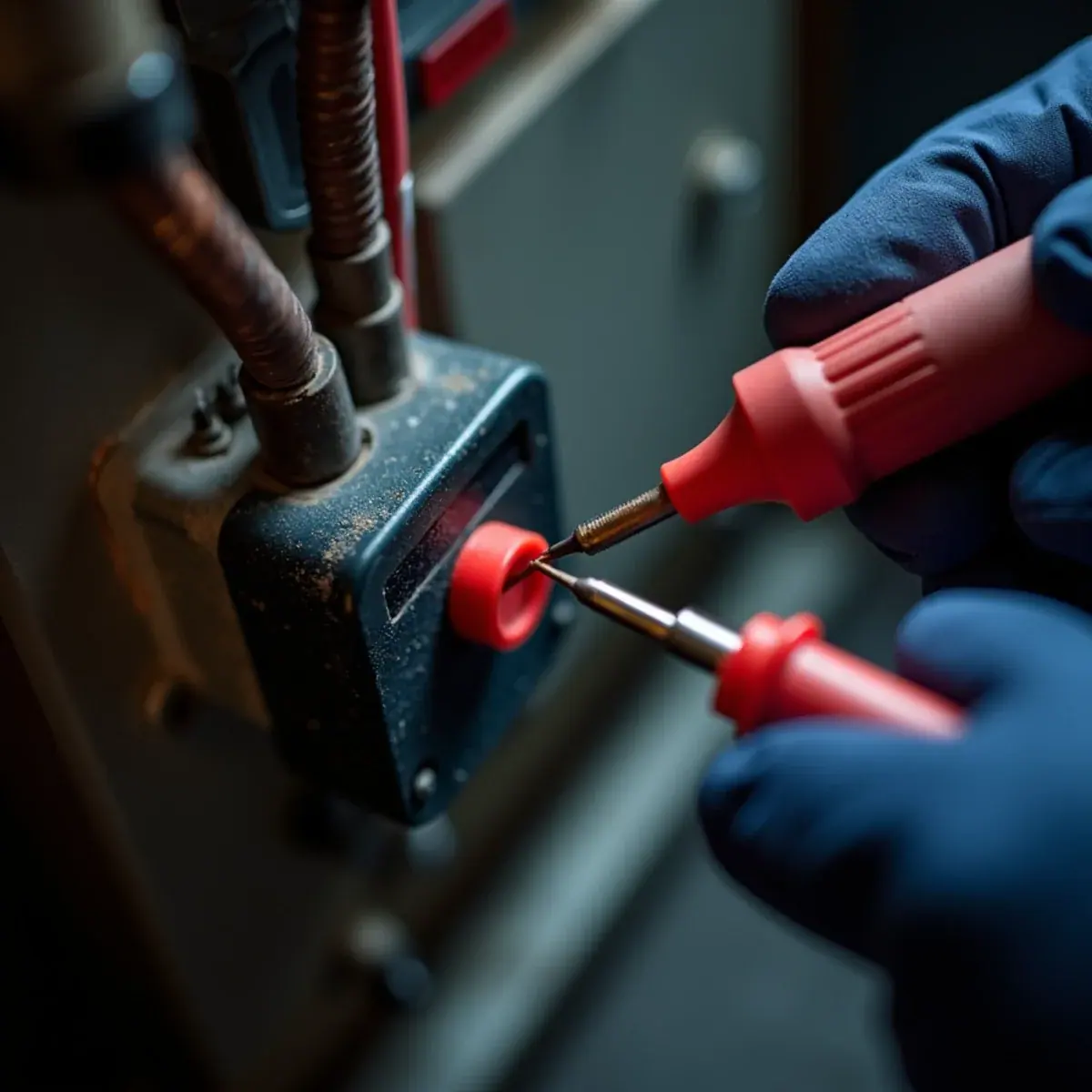
We walk through the safe checks above and tell you how to protect your pipes while you wait.
We check the ignition sequence, controls, circulators or blower, fuel supply and safety devices.
Combustion and CO checks confirm the system can run safely before we restart it.
Once you approve, we replace the failed part and bring the house back up to temperature.
We stay through a full heating cycle so we know it’s working before we leave.
The cost depends mostly on what failed and when you call.
We explain what’s wrong and what each option costs before we start. If your call comes through a home warranty, we explain what the warranty covers first.
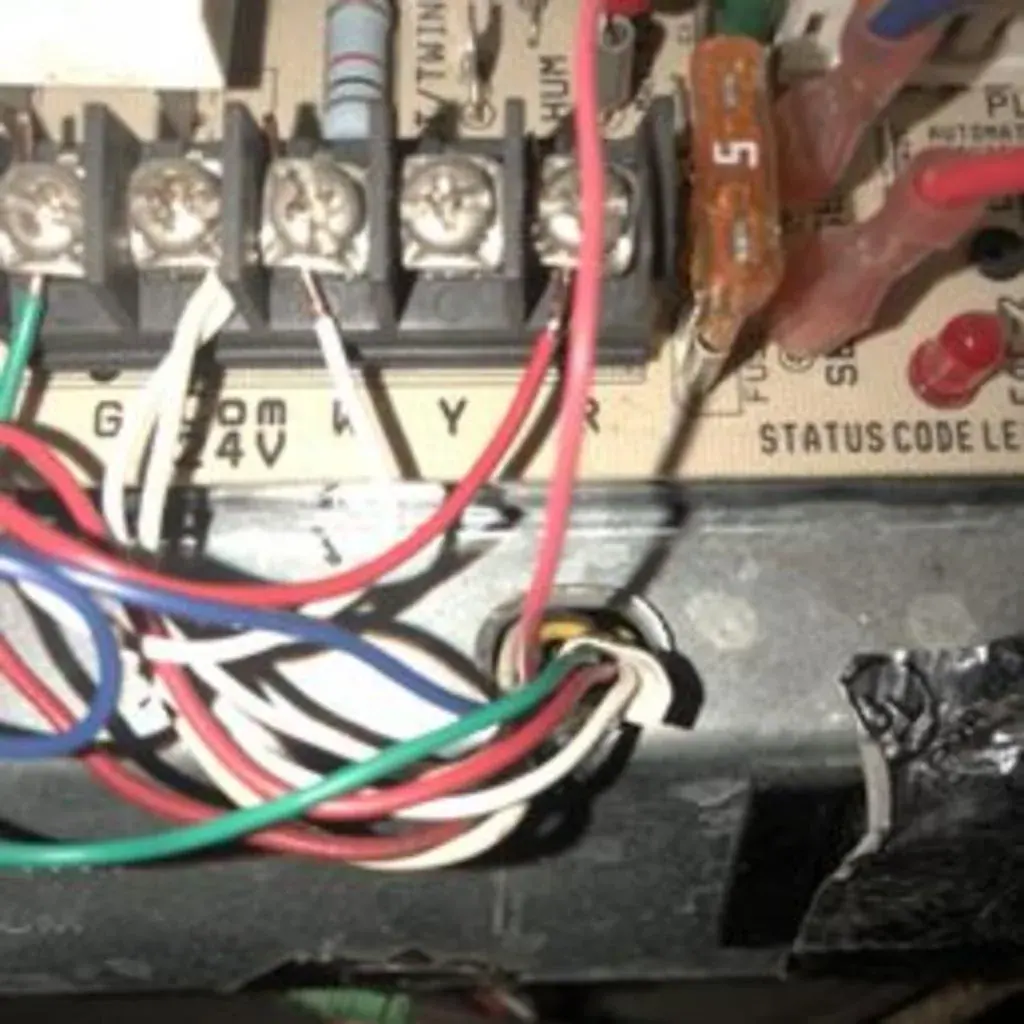
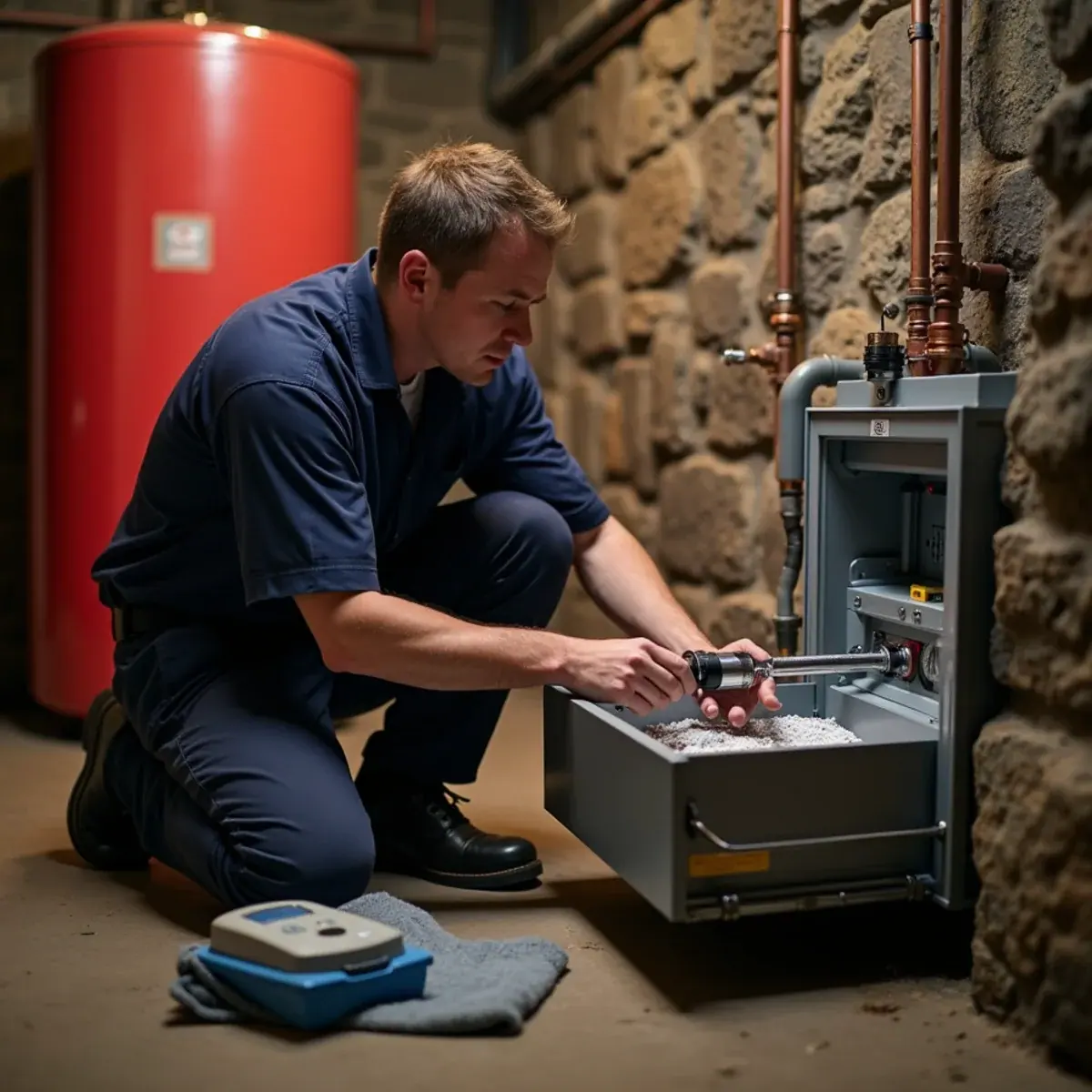
Many older homes around White Plains still heat with oil. When an oil burner fails to light, it locks out, and a red reset button pops up on the primary control. It’s tempting to press it again and again. Don’t. Each press sends oil into the combustion chamber, and if the burner finally lights with a flooded chamber, it can puff back violently, fill the basement with soot or worse.
Press it once. If the burner doesn’t start and stay running, leave it and call. Common causes are a clogged nozzle or filter, an empty tank, a failed cad cell or a weak ignition transformer. Regular oil burner service prevents most of them.
Close interior doors to keep heat in the rooms you’re using, open cabinet doors under sinks on outside walls, and let cold and hot taps drip slightly. Space heaters should be plugged directly into the wall, never an extension cord, and kept well away from curtains and bedding. Never use a gas oven or grill for heat.
Our guide to what to do when your heat goes out on a winter night covers these steps in more detail. We handle no-heat calls throughout the area, including Hartsdale and Harrison. Older steam systems have their own quirks, covered on our steam heating page.
A few details let us bring the right parts for your kind of system — and give you better advice while you wait:
Have this ready
Frozen pipes are a plumbing problem layered on top of a heating problem. While we work on the heat:
Do this first
We restore the heat and document what we find on the heating side; the insurer decides what’s covered. Our emergency HVAC repair page lists more records worth keeping.
Every heating system in older homes
The family has worked on heating equipment here since 1976, so oil burners, one-pipe steam and decades-old boilers are familiar territory. A cold night is the wrong time for a technician who mostly installs new furnaces.
Staying until the heat is back
A theme in our Google reviews is a technician who stayed until the boiler was working, not one who diagnosed and left. We stay through a full cycle and confirm radiators or registers are warm before packing up.
Someone picks up in the cold
No-heat calls come at 5 a.m. and on holidays. A real person answers, asks who is home and how cold it is, and tells you how to protect the pipes while the technician is on the way.
Home-warranty calls handled plainly
Many no-heat calls reach us through home-warranty companies. Before any work, we explain which parts of the repair the plan is likely to cover and which it may not, so a warm house doesn’t come with a surprise bill.
Where we work
We provide no heat repair in White Plains and these nearby communities — plus the rest of Westchester County.
Where the house sits changes how fast a no-heat call becomes a plumbing problem. Wooded, hilly lots in Valhalla and North Castle lose heat quickly in wind, and many of those homes run oil. Hillside houses in Croton-on-Hudson take the cold coming straight off the river.
Lake cottages in Lewisboro often have pipes running through crawlspaces that freeze first. In Pelham and Bronxville, old steam boilers make up much of the winter call list. We take no-heat calls across Westchester, the Bronx and nearby Putnam and Rockland towns.
FAQ
Start with the thermostat: set it to Heat, raise the setpoint and replace the batteries. Then check the breaker and the furnace power switch, which often looks like a light switch on or near the unit. Replace a dirty filter. On high-efficiency furnaces, look outside for snow blocking the vent pipes. If none of that works, call us.
On hot-water systems, the usual causes are air trapped in the zones, a failed circulator pump or a zone valve that isn’t opening. On steam systems, it may be a clogged main vent, a stuck radiator vent or a low-water condition. Our technicians test each part in turn and purge air zone by zone if needed.
No. Press it once only. Repeated resets send unburned oil into the combustion chamber, and when the burner finally ignites, the excess oil can cause a dangerous puff-back. If one press doesn’t get the burner running steadily, call for service. The problem is usually a nozzle, filter, cad cell or fuel supply issue.
Yes. No-heat calls are one of the main reasons our emergency line runs 24 hours a day. We prioritize homes where temperatures are dropping fast, where pipes are at risk and where there are young children, older adults or anyone vulnerable to cold. Call and we’ll tell you what to expect.
It depends on the outdoor temperature, insulation and where the pipes run. On a single-digit Westchester night, pipes in exterior walls, crawlspaces and unheated porches can start freezing within a few hours of the heat going out. Open sink cabinets on outside walls, let taps drip and call right away rather than waiting until morning.
It depends on what failed. Researched local planning ranges for furnace repair run about $175 to $2,000+: a flame sensor or ignitor at the low end, a control board, inducer or circulator higher. Overnight and holiday calls are priced differently. We diagnose first and give you the price of each option before any work starts.
Often both. If the heat is out, call us to restore it — the pipes will keep freezing until the house warms up. If a pipe has burst or is leaking, shut the main water valve and call a licensed plumber for the pipe itself. We handle the heating system, including frozen hot-water heating zones on the boiler side.
A few minutes of cool air is normal during a defrost cycle, when the unit melts ice off the outdoor coil. If it lasts longer or the outdoor unit is encased in ice, the defrost control or backup heat may have failed — call us. Keep the outdoor unit clear of drifts and don’t chip ice off the coil yourself.
Usually, yes. Equipment that shuts down and then recovers is often cycling on a safety switch — overheating, a weak flame signal or a venting problem. It tends to fail for good on the coldest night. Note when it happened and what you heard, and book a visit before the next cold stretch.
It depends on your plan. Warranties typically cover certain failed parts and exclude others, such as code upgrades, venting or damage from lack of maintenance. The warranty company makes the coverage decision, not the technician. We document the diagnosis so the claim is clear and tell you what any uncovered portion would cost before we start.
Written by the Bella Family Air Solutions team · Last reviewed . Planning ranges, permit and rebate guidance are reviewed at least quarterly.
Related services
Furnace and heat pump repair, replacement and tune-ups, diagnosed by technicians with at least 15 years in the trade and explained before any work begins.
Learn moreHot-water and steam boiler repair with a full burner cleaning and zone-by-zone purge that clears trapped air and corrects over-pressurizing at the source.
Learn moreFull preventive oil burner service — nozzle, filter, strainer, electrodes and a combustion analysis — plus 24-hour repair when an oil-fired boiler or furnace locks out.
Learn moreEmergency
Heat quit after dark? Here is what to check first, what never to touch, how to keep pipes from freezing and when a no heat emergency in Westchester needs a tech tonight.
Core Service
A line-by-line checklist of what an annual oil burner tune-up should include, from nozzle and filters to draft, combustion testing and the oil tank, for Westchester oil heat homes.
Tell us what your system is doing and we'll get a technician with 15+ years of experience on the way. Clear explanation, written options, no pressure.
Bella Family Air Solutions · 18 Jefferson Pl, White Plains, NY 10603 · (831) 461-3437