Emergency
Refrigerant Leak Signs and Why Topping Off Isn't a Fix
Warm air, ice on the lines and a hissing coil can all point to a refrigerant leak. Here is why adding more refrigerant isn’t a repair, and what finding and fixing the leak involves.
24-hour emergency service · Family-owned since 1976
Licensed, bonded & insured · EPA Universal Certified · BBB Accredited A+
24/7 emergency service · White Plains & Westchester
Refrigerant doesn’t get used up. If your system is low, it leaked — and the lasting fix is finding the hole, not refilling it.
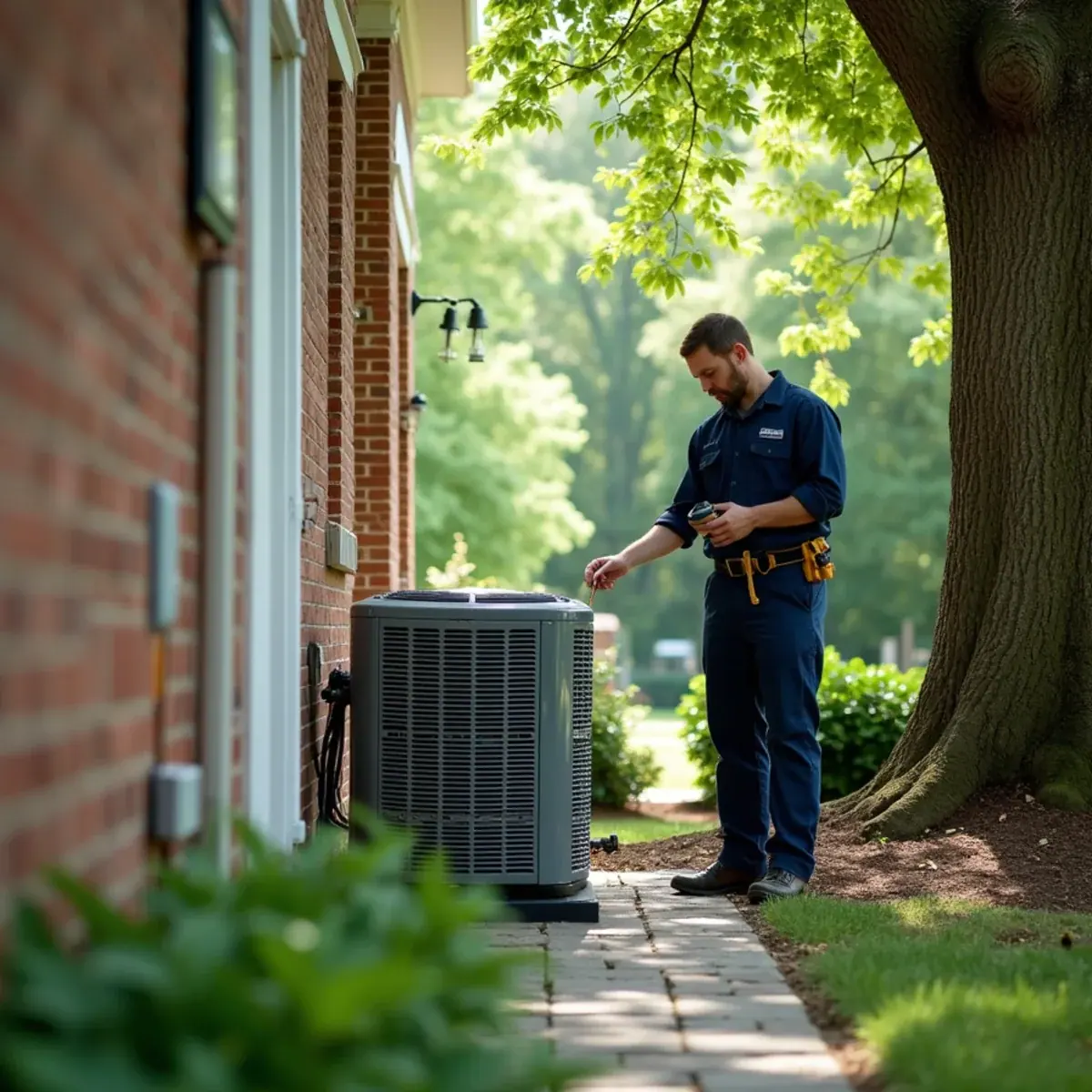
AC refrigerant leak repair means locating the exact spot where the charge escapes, fixing it and proving the circuit is sealed before a single pound goes back in. Bella Family Air Solutions handles refrigerant leak repair in White Plains and across Westchester with EPA Universal-certified technicians, and when the leak sits in a coil on an aging R-22 system, you see repair and replacement priced side by side.
A central air system is a sealed loop. The refrigerant charge that left the factory should still be there twenty years later. When a technician tells you your AC is “a little low” and adds a pound every June, what they are really describing is a leak that no one has bothered to locate. You pay for refrigerant, it escapes into the atmosphere, and the compressor runs starved in the meantime.
Our technicians hold EPA Universal certification under Section 608 of the Clean Air Act, which is required to purchase and handle refrigerant. We recover refrigerant rather than venting it, we search for the leak with methods suited to the system, and we confirm the repair holds with dry nitrogen before any new charge goes in.
We are also realistic. On an older R-22 system with a leaking evaporator coil, a repair may not be worth the money. We’ve been in plenty of homes where the right answer was a few honest options, and the homeowner chose. That’s how we like it.
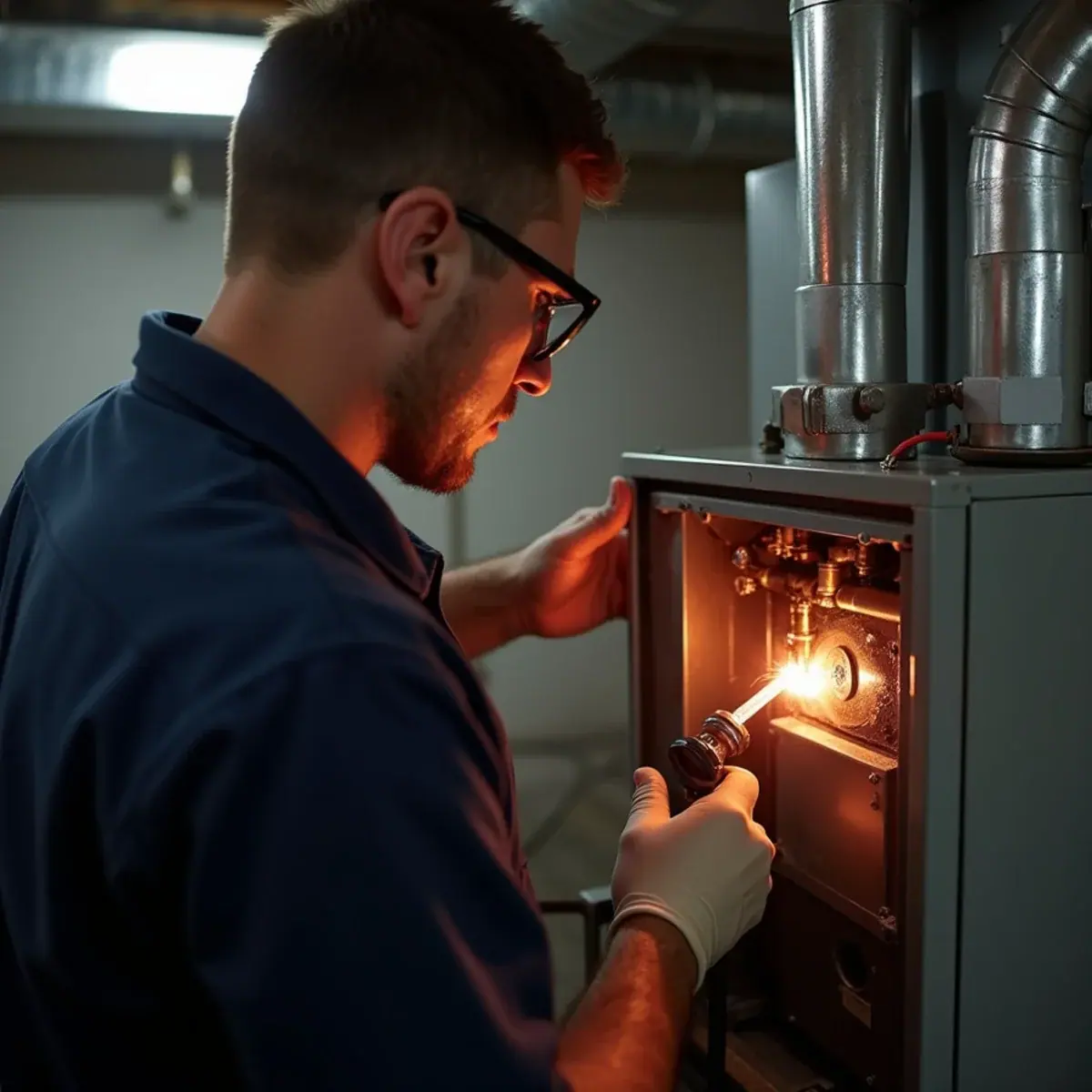
Low charge shows up in ways that are easy to mistake for other problems.
Ice on the suction line or indoor coil
Low charge drops coil pressure and temperature below freezing. Airflow problems can do the same, so both get checked.
Long run times and weak cooling
The system runs all afternoon but the house never reaches setpoint, especially on the hottest days.
Hissing or bubbling near the unit
Larger leaks can be audible at the coil, a service valve or a rubbed-through line set.
Oily residue on fittings or coil
Refrigerant carries compressor oil; where it escapes, a stain often collects dust.
Needing a recharge more than once
A second recharge in two seasons is proof of a leak. Refilling again won’t change that.
Higher summer electric bills
An undercharged system moves less heat per hour of runtime, so it simply runs longer.
Most refrigerant leaks are slow and quiet. A few aren’t. If anyone feels dizzy, short of breath or confused near the indoor unit — especially in a closet or small mechanical room — get everyone out to fresh air and call 911. Otherwise:
Then call. A slow leak isn’t an emergency by itself, but running a starved compressor through a heat wave is how a leak repair becomes a compressor replacement.
The process above is how we work. This is what you walk away with — the things you can see, keep and hold us to after the truck leaves.
The leak, shown to you
Once we find it, you see it: the oily flare nut, the bubbling valve core or the dye trace on the coil. If it’s inside an attic air handler or behind a panel, we photograph it so you aren’t taking “it’s low” on faith.
System facts written down
Refrigerant type, factory charge from the nameplate, approximate age and where the leak sits. Those four facts decide whether a repair makes sense, and you keep them for the next contractor, your insurer or a home sale.
Priced options before any brazing
A small fitting repair, a coil replacement and, on older equipment, a replacement comparison — each with its price and trade-offs. You pick. On a worn R-22 system, that choice is the part customers mention in their reviews.
A check on what the leak already damaged
A system that ran short of charge may have overheated its compressor. We check the capacitor, contactor and compressor amp draw so you know whether the leak left other damage behind before you pay to recharge it.
Moisture protection when the circuit is opened
When a repair opens the sealed system, a proper job includes replacing or adding a filter-drier where needed, so moisture and debris picked up during the work don’t circulate through the new charge and the compressor.
What to watch for afterward
We tell you which signs mean the repair is holding and which mean another leak: frost on the suction line, longer afternoon run times or warm air on a mild day. Call us early rather than waiting for a failed compressor.
A written warranty on the repair
Repair work comes with a written warranty. Terms depend on the job — a brazed joint and a replaced coil aren’t the same — so we state them on paper before you approve anything, not after the invoice.
Leak work is methodical. Skipping steps is how a “repaired” system ends up low again next summer.
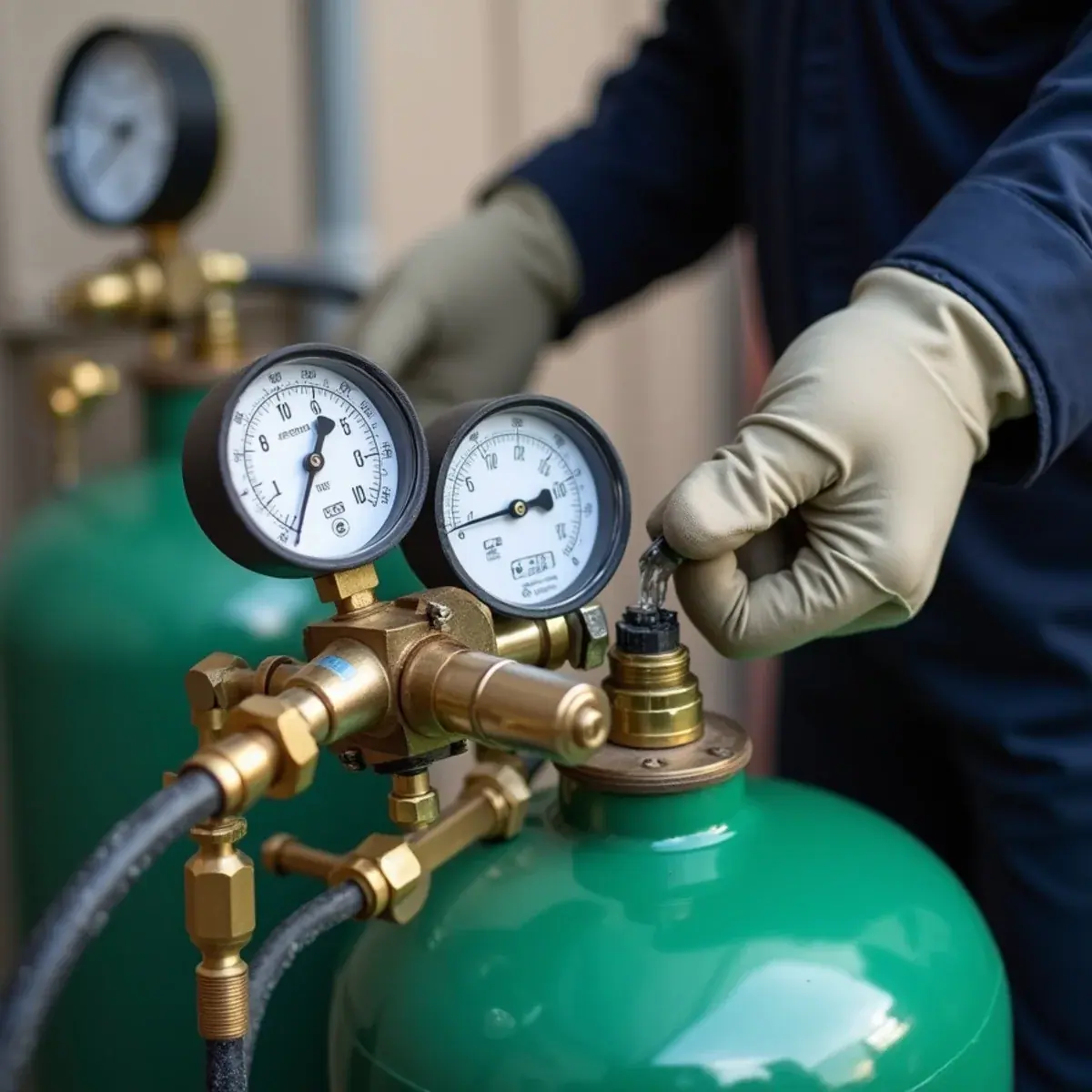
We read pressures, superheat and subcooling and rule out airflow, a dirty coil or a failing TXV, which can mimic low refrigerant.
Electronic leak detector, bubble solution on fittings and valve cores, and UV dye where appropriate. Evaporator coils, flare joints and rub points get extra attention.
Refrigerant is recovered with certified equipment. Then we braze the joint, replace the valve core or component, or quote a coil replacement.
The system is pressurized with dry nitrogen and watched for a pressure drop. It has to hold before we move on.
We pull a deep vacuum with a micron gauge to remove moisture, then weigh in the correct charge and verify performance.
Leak repair cost depends heavily on where the leak is and what refrigerant the system uses.
We’ll show you where the leak is and give you choices. On aging R-22 equipment, that often includes an honest comparison of repair against replacement so you don’t sink money into a system near the end.
The right answer depends on where the leak is and what refrigerant the system uses. These researched local planning ranges (2026) help frame the decision — they’re not quotes and not our price list:
| Job | Planning range | What moves the price |
|---|---|---|
| AC repair (incl. leak repair) | $175 – $1,600+ | A valve core or flare fitting at the low end; brazing, a coil repair and an R-22 recharge higher. |
| Central AC replacement | $4,400 – $8,800+ | Condenser and coil on existing, usable ductwork — the usual alternative to a leaking coil on an older system. |
| Central AC installation | $6,200 – $13,250 | When ducts, electrical, line set or the air handler also need work. |
On a 15-to-20-year-old R-22 system with a leaking evaporator coil, compare the repair against replacement before approving either — we’ll lay out both.
Adding refrigerant without fixing the leak treats the symptom. The system leaks down again, and while it runs low the compressor overheats because it relies on returning refrigerant to cool itself. Moisture can also enter through the leak, forming acids that attack the compressor windings. A recharge as a temporary measure during a heat wave can be reasonable — as long as everyone calls it what it is.
Our blog post on refrigerant leak signs and why topping off isn’t a fix goes deeper. If your system quit entirely in the heat, start with emergency AC repair.
Systems installed before about 2010 typically run on R-22, which the EPA phased out; production and import ended in 2020, so only recovered or stockpiled supply remains. New equipment moved to R-410A, and manufacturers are now transitioning to lower-global-warming refrigerants such as R-454B under federal rules. These refrigerants are not interchangeable, and so-called drop-in substitutes for R-22 bring their own tradeoffs.
If you’re planning ahead, our AC repair and installation team can explain what a replacement looks like, and routine HVAC maintenance catches oily fittings before they become empty systems. We handle leak calls throughout the area, including Scarsdale and Harrison.
Refrigerant work is where homeowners most often feel they didn’t get a straight answer. A clear estimate — from us or anyone — should spell out:
Line by line
Near the water in Rye, Mamaroneck and New Rochelle, salt air corrodes condenser and coil fins and speeds up leaks — see salt air and your AC condenser. For how warranty dispatches usually work, read home warranty HVAC claims.
Certified to handle every refrigerant we touch
Our technicians hold EPA Universal certification under Section 608, which covers the recovery and charging of the refrigerants in home central air systems. The old charge goes into a recovery cylinder, not the air over your backyard.
Options on R-22, not a sales pitch
One of the themes in our 21 Google reviews is a technician who laid out several choices on an old R-22 system instead of pushing a new one. That is how we handle every aging system with a leak: numbers first, decision yours.
Fifteen years in the field, minimum
Elton, our service manager, only hires technicians with at least 15 years of work history. Leak searching rewards patience and pattern recognition — knowing which flare joints fail, where line sets rub and what a formicary-corroded coil looks like.
Used to working with home warranty companies
Many of our calls come through home warranty dispatch. We document the leak, the repair and anything the contract may not cover, so you have what you need if the warranty company asks questions or issues a denial.
Where we work
We provide refrigerant leak repair in White Plains and these nearby communities — plus the rest of Westchester County.
Leak calls come from all over our area, but a few patterns repeat. Condensers along Long Island Sound in Rye and Mamaroneck take salt air that eats coil fins and fittings, so leaks show up years earlier than they would inland. In Rye Brook, homes that were last re-equipped before about 2010 often still run R-22, which makes the repair-versus-replace conversation part of nearly every visit. Crowded rooftops and side yards in Yonkers and the Bronx put line sets where they get kicked, crushed or rubbed through.
Wherever you are, the job runs the same way from our shop in the Fairview section of White Plains: find the leak, show it to you, fix it properly or tell you honestly that it isn’t worth fixing.
FAQ
Common signs are ice on the copper line or indoor coil, long run times with weak cooling, and a hissing sound near the equipment. None of those prove low charge on their own, because a dirty filter or failing blower can cause similar symptoms. A technician confirms it with pressure, superheat and subcooling readings before adding or removing anything.
No. Under EPA Section 608, technicians must be certified to purchase and handle the refrigerants used in home central air systems, and intentionally venting them is prohibited. Our techs hold EPA Universal certification. Be cautious of DIY recharge kits sold for home systems; they can overcharge the unit or introduce sealants that complicate future repairs.
Sometimes. A leaking valve core or flare fitting is usually worth fixing. A leaking evaporator coil on a 15-to-20-year-old R-22 system is often a poor investment, because the coil and scarce refrigerant together approach the cost of meaningful replacement work. We’ll lay out the numbers and options and let you make the call.
After a repair, we fill the empty system with dry nitrogen at pressure and watch the gauge over time. If the pressure holds, the repair is tight. Nitrogen is inert and dry, so it’s safe for the system and won’t leave moisture behind. Only then do we pull a vacuum and weigh in a fresh refrigerant charge.
Researched local planning ranges for AC repair, which includes most leak repairs, run about $175 to $1,600+. A leaking valve core or flare fitting sits at the low end; brazing, coil work and scarce R-22 refrigerant push it higher. If the evaporator coil is failing on an older system, compare the repair with a condenser-and-coil replacement before deciding.
It depends on the contract. Many home warranties limit or exclude leak searches, refrigerant, or older R-22 systems, and the warranty company — not the technician — decides coverage. Ask the warranty company for any denial in writing, ask us for a written estimate of the non-covered work, and take time to decide or get a second opinion.
We don’t recommend it. Sealants are designed to harden where refrigerant meets air, and they can also clog metering devices, filter-driers and service valves inside the system. Some contractors won’t connect their recovery equipment to a system that has been sealed. A located, repaired and pressure-tested leak costs more on the day but doesn’t create a second problem.
Common culprits are formicary corrosion — tiny pinholes that form in copper coils exposed to household chemicals — plus flare joints that were never tightened properly at installation and line sets vibrating against a wall or bracket. On newer, registered equipment the coil may still carry a manufacturer parts warranty, so keep your paperwork and ask before paying for a replacement coil.
Yes. A heat pump uses the same refrigerant circuit to heat as it does to cool, so low charge cuts heating output, can ice the outdoor coil and makes backup electric or fossil heat run more. If your winter bills climbed and the outdoor unit frosts over often, a leak search belongs on the list alongside defrost controls.
Written by the Bella Family Air Solutions team · Last reviewed . Planning ranges, permit and rebate guidance are reviewed at least quarterly.
Related services
Central air repair and installation by EPA Universal certified technicians who test before replacing parts and give you real options on older systems.
Learn moreCentral air quit in the middle of a heat wave? Around-the-clock diagnosis of capacitors, contactors, frozen coils and tripped float switches, with the most vulnerable households triaged first.
Learn moreSpring and fall maintenance built around our two-part service: burners pulled and cleaned, return ducts sanitized and every safety control tested.
Learn moreEmergency
Warm air, ice on the lines and a hissing coil can all point to a refrigerant leak. Here is why adding more refrigerant isn’t a repair, and what finding and fixing the leak involves.
Emergency
Central air gave out in the middle of a heat wave? Here are the safe checks to run, the mistakes that make things worse, and how to keep your household cool until a tech arrives.
Tell us what your system is doing and we'll get a technician with 15+ years of experience on the way. Clear explanation, written options, no pressure.
Bella Family Air Solutions · 18 Jefferson Pl, White Plains, NY 10603 · (831) 461-3437