Cost & Insurance
Home Warranty HVAC Claims: What's Covered and How to Avoid Surprise Upsells
By Bella Family Air Solutions 5 min read
A home warranty HVAC claim can save you real money, but only if you understand what the contract actually promises before the technician arrives. A good share of the service calls we run across Westchester are dispatched by home-warranty companies, so we see both sides of the process every week. This guide explains how those claims work, where the gaps usually are, and how to protect yourself from pressure or surprise charges.
How Home Warranty Dispatch Works
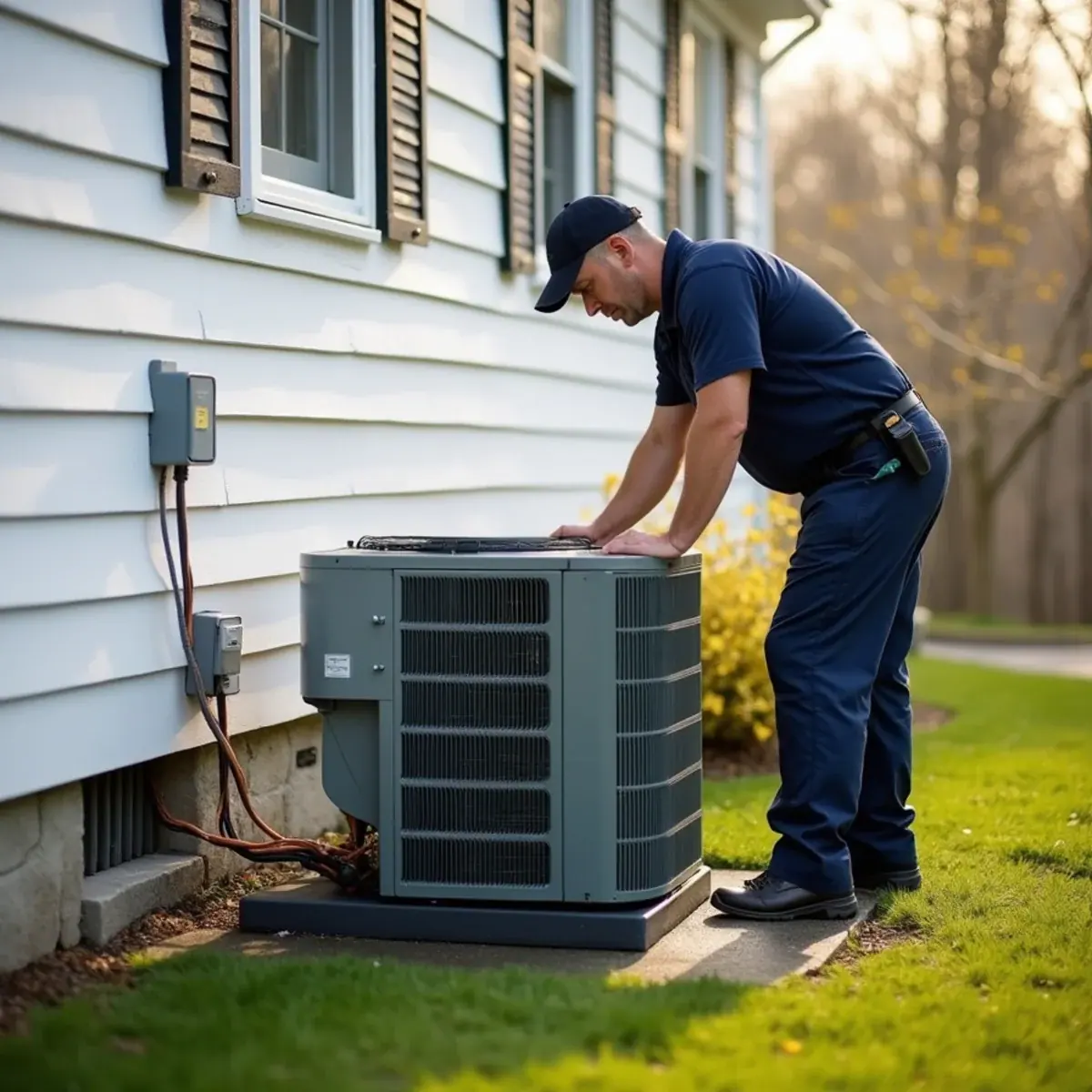
A home warranty is a service contract, not insurance. When your furnace, boiler or central air stops working, you file a claim online or by phone with the warranty company. They assign the job to a contractor in their network, and that contractor contacts you to schedule a visit.
The contractor works for you in the house, but the warranty company decides what gets paid. The technician diagnoses the problem and reports findings. The warranty company then authorizes the repair, denies it, or offers a cash payout in place of a repair. That split is where most confusion starts.
The service fee
Nearly every plan charges a flat service fee (sometimes called a trade call fee or deductible) per claim. It covers the visit and diagnosis. It is usually owed even if the repair ends up denied, and it does not cover parts or labor the plan excludes. Check your contract for the exact amount and whether a second visit for the same problem triggers another fee.
What Warranties Commonly Exclude
Every contract is different, so read yours line by line. In our experience, these are the exclusions that come up most often on heating and cooling claims:
- Code upgrades. If a repair requires bringing venting, gas piping, electrical disconnects or a chimney liner up to current code, that extra work is often not covered.
- Refrigerant. Many plans cap or exclude refrigerant, especially older R-22, which is expensive because it is no longer produced.
- Pre-existing conditions. Problems the warranty company believes existed before coverage began can be denied.
- Improper maintenance. A clogged coil, a neglected boiler or a filter that hasn’t been changed in years can be grounds for denial.
- Access and removal. Cranes, cutting into walls, haul-away of old equipment and permits are frequently excluded or capped.
- Ductwork, zoning controls and add-ons like humidifiers or air cleaners may sit outside the base plan.
Why a Technician May Quote Non-Covered Work
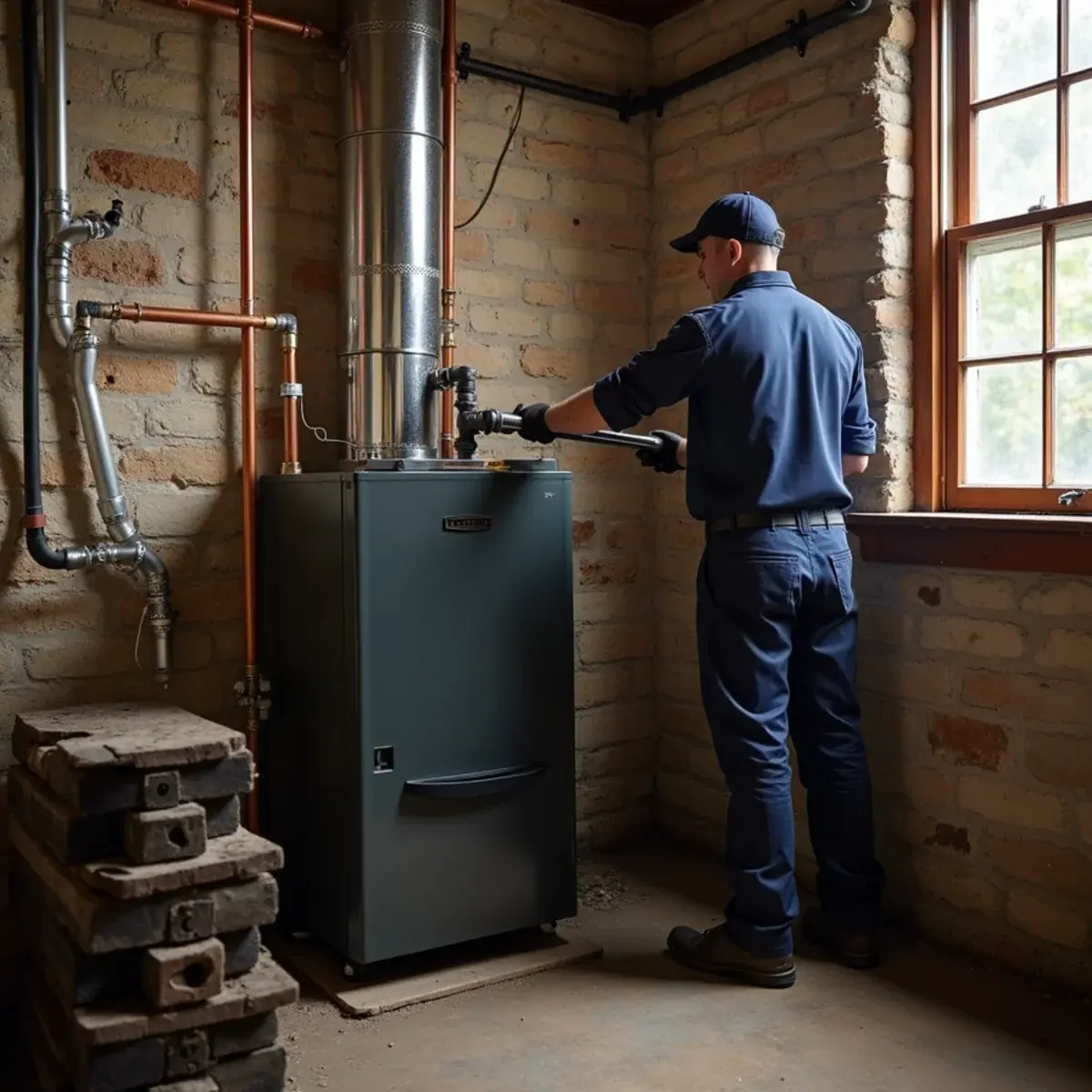
It can feel like an upsell when the tech hands you a quote after the warranty company says no. Sometimes it is. More often, the technician is simply describing what the equipment needs to run safely, and the contract doesn’t pay for that part. A cracked heat exchanger, a failed inducer motor on an out-of-code flue, or a leaking evaporator coil on an old R-22 system are real problems whether or not a warranty covers them.
The goal is not to refuse every quote. The goal is to understand exactly what you are being asked to pay for, and why, before you agree.
How to Protect Yourself During a Claim
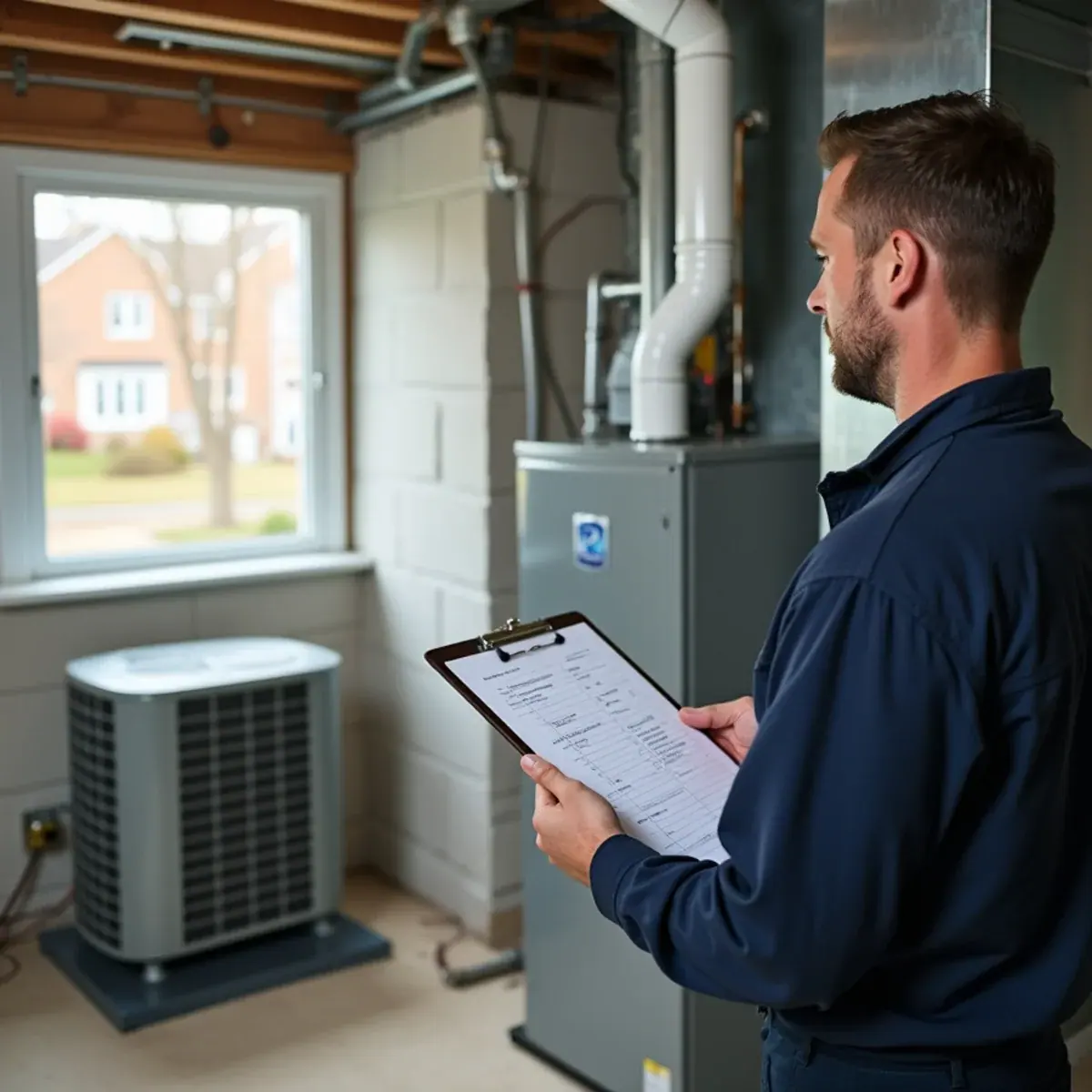
- Ask for a written, itemized estimate. It should list parts, labor and any code work separately, and say which items are covered and which are not.
- Get the denial reason in writing from the warranty company. Ask for the specific contract clause. A verbal “it’s not covered” is not enough to make a decision on.
- Ask to see the problem. A reputable tech will show you the failed part, the reading on the meter or the photo of the damage.
- Take time to decide. Unless there is an immediate safety hazard, you do not have to sign on the spot. Keep the house safe, then think it over.
- Get a second opinion on any large non-covered repair or replacement. That’s normal, and a confident contractor won’t be offended.
- Ask about options. There is often more than one path: repair now, repair with a used or aftermarket part, or plan a replacement for a better season.
What a Reputable Contractor Should Do
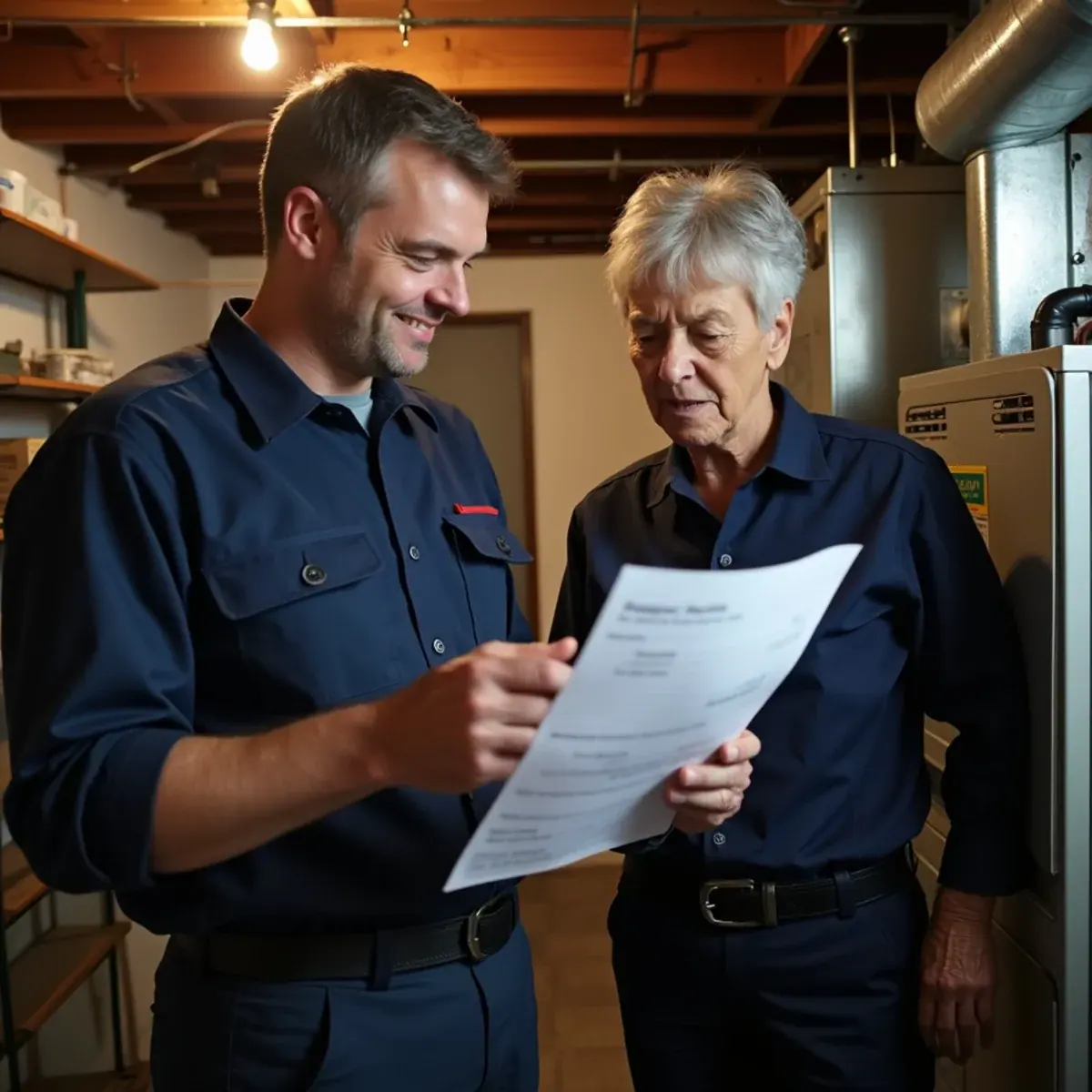
Whether the call came from a warranty company or directly from you, the standard should be the same. The technician should explain the problem in plain language before starting work, separate covered items from non-covered ones, and give you real choices with honest trade-offs. No pressure, no “today only” pricing, and no scare tactics.
That is how we try to run our own HVAC contractor services. Our techs each bring at least 15 years of field experience, and they’re expected to walk homeowners through what they found and why. On older systems, including R-22 air conditioners, we lay out repair options alongside replacement so you can weigh cost against remaining equipment life instead of being steered toward a new unit.
Covered repair versus replacement
When a warranty offers a cash-out instead of a repair, ask what the payout is based on and compare it to a written quote for replacement. Payouts are sometimes tied to the cost of a basic unit and may not include the installation details your home needs. A thoughtful heating repair and installation estimate or AC repair and installation quote will show you where the gap is.
Notes for New Rochelle Homeowners
Housing stock matters on warranty claims. Many older homes near the Sound still run steam or hot-water boilers, and salt air can shorten the life of outdoor condensers. Both situations can raise “pre-existing condition” or “maintenance” questions. If you’re in New Rochelle, keep maintenance receipts and photos of your equipment when your coverage starts. That record is your best evidence if a claim is questioned later.
What are coverage limits, and why do they catch people off guard?
Exclusions get most of the attention, but caps cause just as many surprises. Many contracts set a maximum payout per item, a separate cap on the whole plan for the contract year, or both. A covered furnace repair can still leave you with a balance if the approved parts and labor run past the per-item limit.
- Find the per-item cap for heating and for cooling in your contract, and check whether they share one limit.
- Ask the warranty company how much of this year’s aggregate cap has already been used by earlier claims.
- Check whether refrigerant, permits and haul-away count against the same cap or carry their own smaller limits.
- If a payout is capped, ask for the approved amount in writing before the technician orders parts.
From the service van: what actually slows a warranty claim down
On a warranty call, the diagnosis is usually the quick part. The waiting happens afterward, while the warranty company reviews the report, asks for photos or a model and serial number, and decides whether to approve a part. On a Friday night in January, that gap matters more than any clause in the contract. If your house is losing heat, say so plainly to both the warranty company and the technician so the claim is flagged as urgent.
The single best thing you can bring to a claim is a paper trail. A dated maintenance receipt, a photo of the equipment label taken when coverage started and the original install date answer most “pre-existing” or “lack of maintenance” questions before they are asked. Keep them in one folder or one phone album.
There is an honest trade-off when a small part is excluded. Sometimes paying out of pocket for a modest non-covered item restores heat today, while an appeal could take a week. Other times the excluded work is large enough that waiting for a written decision, or a second opinion, is the smarter move. Neither choice is wrong. What matters is that you make it with the covered and non-covered amounts separated on paper.
- Ask the technician to photograph the failed part and the data plate for your records, not only for the warranty company.
- Write down the claim number, the date and the name of every warranty representative you speak with.
- If a repair needs a return trip for parts, confirm with the warranty company that it will not be billed as a new claim.
The Bottom Line on Warranty Claims
A home warranty can be worth having, but it works best when you know the exclusions, insist on written estimates and denial reasons, and give yourself time to decide on anything the plan won’t pay for. If you want a clear explanation of a warranty diagnosis or a second opinion on a non-covered quote, our family-owned team is happy to take a look and talk it through with you.
Frequently asked questions
Do I have to pay the service fee if my home warranty HVAC claim is denied?
Usually, yes. The service fee generally covers the trip and diagnosis, not the outcome. Most contracts say it is owed whether the repair is approved, partially approved or denied. Check your own contract for the exact terms, and ask whether a follow-up visit for the same failure counts as a new claim with a new fee.
Can I use my own HVAC contractor instead of the warranty company’s?
Some plans allow it with prior approval and reimburse you at a set rate; many require you to use their network. Call the warranty company before hiring anyone on your own, get the approval in writing, and confirm what documentation they need, such as the diagnosis, invoice and failed-part photos, to process reimbursement.
What should I do if I disagree with a denial?
Ask the warranty company for the denial reason and contract clause in writing. Gather maintenance records, photos and the technician’s written diagnosis. Many companies have an appeal or escalation process. A second opinion from an independent contractor can also help show whether the failure was really pre-existing or maintenance-related.
Is a home warranty the same as the manufacturer’s warranty on my furnace or air conditioner?
No. The manufacturer’s warranty usually covers specific parts for a set number of years, often only if the unit was registered, and labor is typically separate. A home warranty is a service contract you buy that may pay for parts and labor on covered failures. Some repairs can use both, so keep the registration papers with your warranty contract.
How long does a home warranty HVAC repair usually take from claim to fix?
It varies with the contract and the part. The first visit is often scheduled within a day or two, but authorization and parts ordering add time, especially for less common components. Ask the warranty company for its review timeline, and ask the technician whether the part is stocked locally. For a no-heat situation, tell both parties it is urgent.