Cost & Insurance
How Much Does Boiler Replacement Cost in New York?
By Bella Family Air Solutions 4 min read
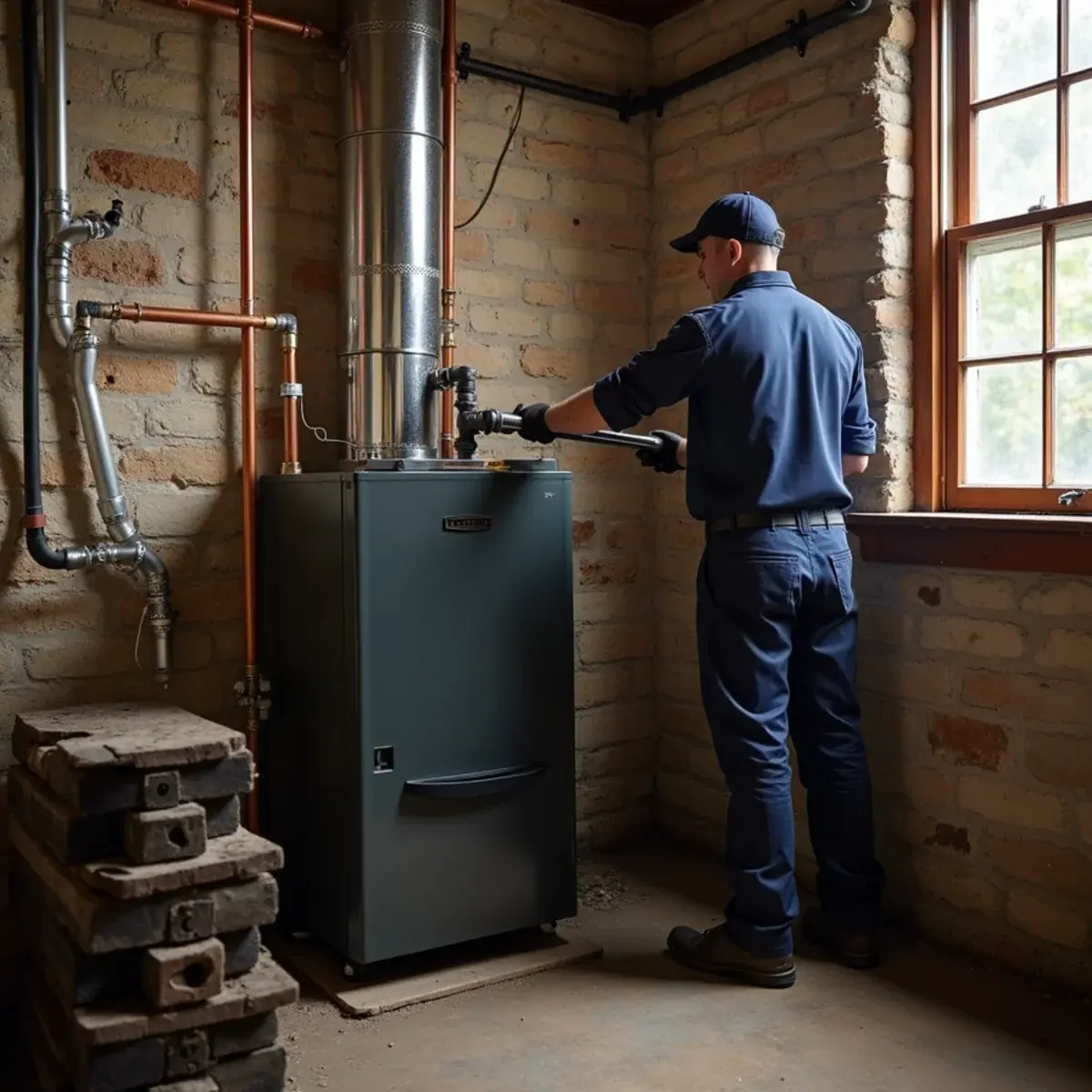
Boiler replacement cost in NY varies more than almost any other home heating project, because the boiler itself is only part of the bill. Two houses on the same street can end up with very different quotes depending on whether they run steam or hot water, burn oil or gas, and have a chimney that is ready for a modern appliance. This guide explains the factors that move the number so you can read a quote with confidence.
Steam vs. Hot Water
The type of system you already have sets the baseline.
Steam boilers
Steam is common in pre-war Westchester homes and apartment buildings. Steam boilers must be matched to the connected radiation, not just the square footage, so an installer should measure every radiator to size the replacement. Steam also depends heavily on correct near-boiler piping: header height, equalizer and Hartford loop. Installers who skip those details leave you with banging pipes and wet steam, whatever brand you buy.
Hot-water boilers
Hot-water (hydronic) systems offer more equipment choices, including high-efficiency condensing gas boilers that modulate their output. Those units need a condensate drain, often a neutralizer, and different venting. Swapping a hot-water boiler is often simpler than steam, but adding zones, circulators or a new expansion tank adds cost.
Oil vs. Gas
Replacing an oil boiler with another oil boiler usually keeps the project contained. Converting from oil to gas adds several line items:
- A gas service or meter upgrade from the utility, which may involve its own timeline
- New gas piping from the meter to the boiler, sized for the load
- Venting changes, since gas appliances vent differently from oil
- Removal or proper abandonment of the old oil tank
If you are staying with oil, a new boiler paired with proper oil burner service each year keeps efficiency where it should be.
The Hidden Cost Drivers
Chimney liner
Newer, more efficient boilers produce cooler flue gas. In an old, oversized masonry chimney, that can lead to condensation that damages the flue and creates a draft problem. Many replacements need a stainless steel liner sized to the new appliance. Condensing boilers skip the chimney entirely and vent through PVC or polypropylene out a side wall, which carries its own cost.
Near-boiler piping
Piping around the boiler is where skilled labor shows up in the price. Steam headers need to be built to the manufacturer’s specifications. Hot-water systems may need primary-secondary piping, new circulators, isolation valves, an air separator and purge valves on each zone.
Indirect water heater
Many homes use a tankless coil inside the boiler for domestic hot water. A new boiler is a good time to consider an indirect water heater, a storage tank heated by the boiler through its own zone. It adds equipment and piping but often improves hot water supply and lets the boiler rest in summer. Our water heater service page covers other options.
Permits and inspections
Municipalities in Westchester generally require permits for boiler replacement, and some require a licensed plumber for gas work. Permit fees, inspections and any required code corrections, such as combustion air or a proper emergency shutoff switch, should appear in the quote.
Old oil tank removal
Above-ground basement tanks can usually be cut up and hauled away. Buried tanks involve more work, possible soil testing and, occasionally, remediation. Make sure the quote says exactly what happens to the tank.
Rough Ranges, Clearly Labeled
As a very broad orientation, a straightforward like-for-like residential boiler replacement in the New York metro area commonly lands in the high four figures to low five figures. Steam systems with significant piping, oil-to-gas conversions, chimney liners and buried tank removal can push a project well past that. Treat these as ballpark only; your written estimate is the number that matters.
Efficiency and Operating Cost
The purchase price is only half the picture. Boilers are rated by AFUE, the share of fuel converted to usable heat over a season. A condensing gas boiler can reach the mid-90s, while many non-condensing cast-iron boilers sit in the 80s. Older units that haven’t been cleaned or tuned in years often perform well below their original rating. A combustion analysis on your current boiler tells you where you stand today, which helps you judge whether a higher-efficiency model is worth the extra installation cost.
Repair or Replace?
Not every old boiler needs replacing. A cast-iron boiler with a sound heat exchanger can run for decades with good care. We clean burners and drain and purge hot-water systems zone by zone during boiler repair and service visits, which often resolves problems homeowners assumed meant replacement. For steam, our steam heating service covers main vents, pressuretrols and low-water cutoffs. Replacement makes sense when a section is cracked, the boiler is leaking, or repair costs keep stacking up.
Local Notes for Bronxville and Eastchester
Homes in Bronxville are often Tudors and pre-war buildings where steam remains standard, so radiator measurement and near-boiler piping are central to any quote. In Eastchester, where 1920s–50s colonials sit near co-op buildings, we see a mix of steam, hot water and forced air, and chimney liner questions come up often when older oil boilers are replaced.
What do boiler quotes most often leave out?
Two estimates can look far apart simply because one includes work the other assumes you will handle later. Before comparing totals, check each quote for these items:
- Cleaning the old system. Decades-old radiators and piping hold sludge and scale. A flush, and on hot-water systems a dirt or magnetic separator, protects the new boiler’s heat exchanger.
- Zone controls. Old zone valves, circulators and relays are often reused. Ask which ones are being replaced and which are being kept.
- Expansion tank and relief valve. Both should be sized for the new boiler, not carried over by default.
- Domestic hot water. If the old boiler had a tankless coil, confirm how hot water will be made after the swap.
- Controls and startup. Outdoor reset, thermostat wiring and a combustion test at startup should be listed, not assumed.
What our boiler techs wish more quotes explained
The efficiency number on a condensing boiler is real, but it depends on the water coming back to the boiler cool enough to condense. Houses with big cast-iron radiators often do fine, because those radiators can heat the rooms with lower water temperatures for most of the season. Houses with short runs of baseboard sometimes need hot supply water on the coldest days, and the boiler condenses less then. Ask the installer how the system will be set up with outdoor reset and what water temperatures your radiation actually needs.
The other thing we see after replacements is a new boiler paired with a dirty old system. Condensing boilers have tighter heat exchangers than the cast-iron sections they replace, and the sludge in a century-old radiator loop does not disappear on installation day. A proper flush and a separator cost labor up front but protect the part that fails most expensively.
On steam, we would rather rebuild the near-boiler piping correctly than save a day of labor. A new steam boiler piped to the old boiler’s outlets usually inherits the old banging and wet steam, and the homeowner blames the new equipment.
- Plan replacement in spring or summer if the boiler is failing slowly; emergency winter swaps leave less room to fix piping properly.
- Keep the old boiler’s service records. They help size the new one and reveal chronic problems like water loss.
- Ask whether the new boiler’s warranty requires annual service, and who performs it.
Getting a Quote You Can Trust
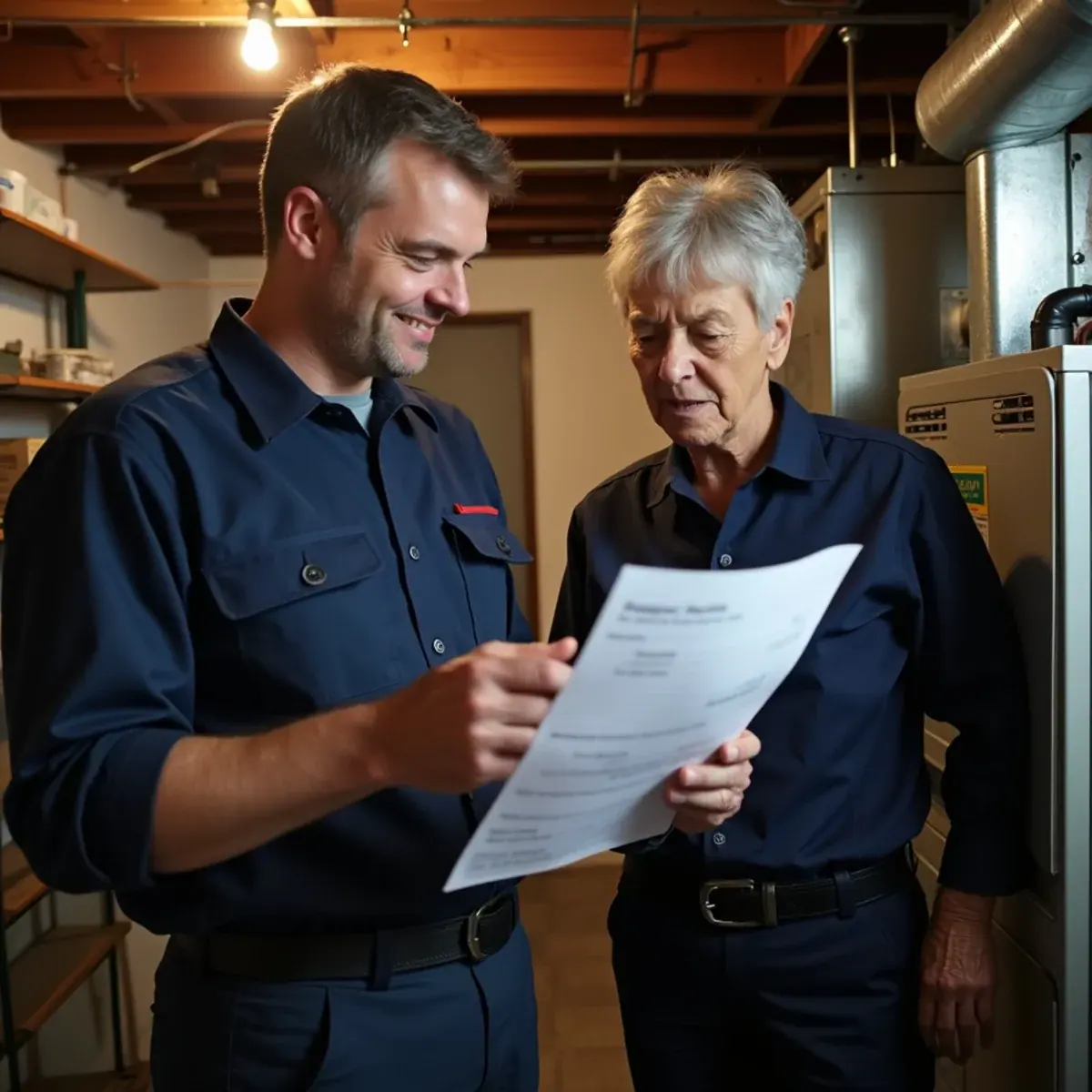
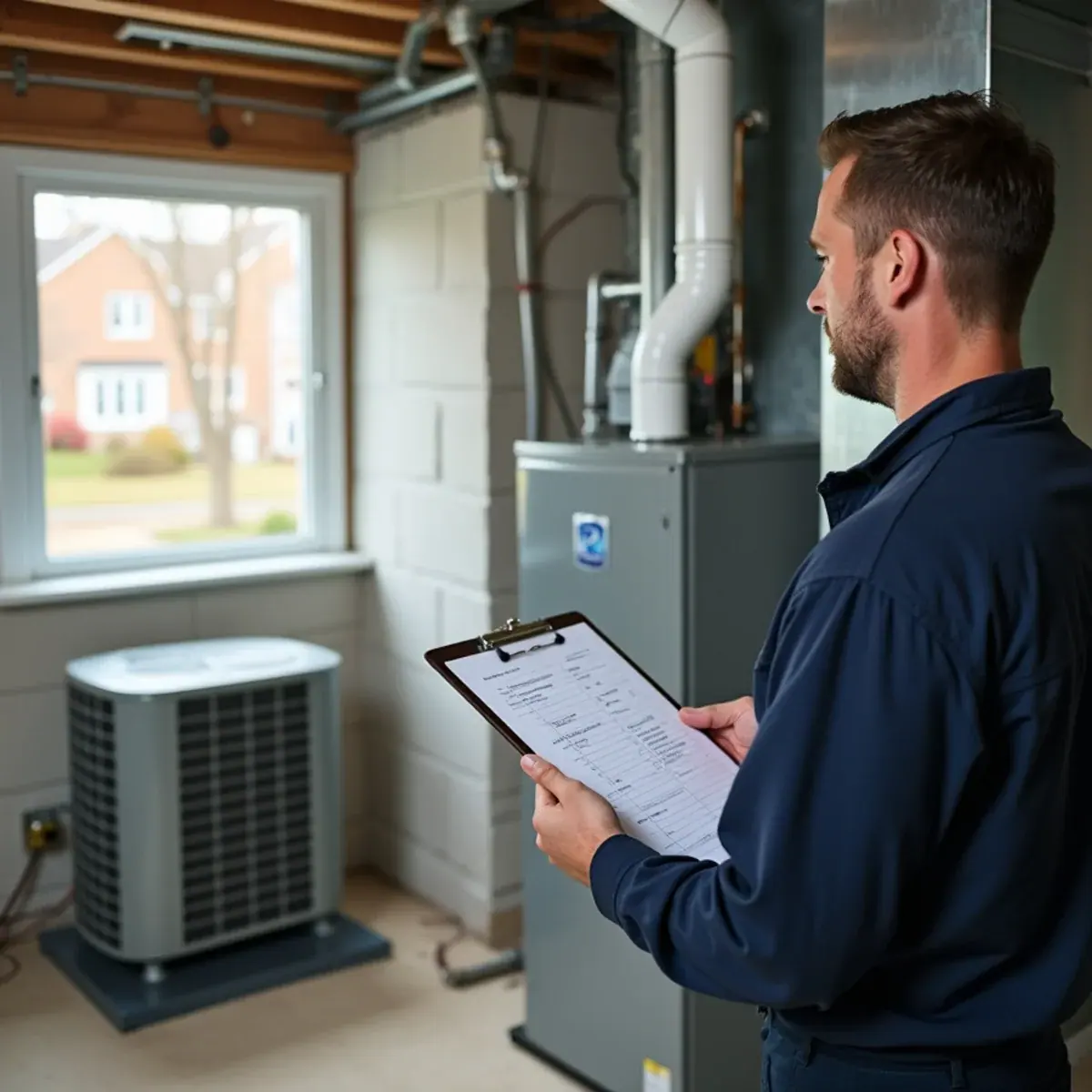
Ask for a line-item estimate covering the boiler, piping, venting or liner, permits, tank work and haul-away. Ask how the boiler was sized. Compare quotes on scope, not just the bottom line. If you would like a family-owned contractor to assess your boiler and talk honestly about repair versus replacement, we would be glad to take a look.
Frequently asked questions
Why is a steam boiler replacement often more expensive than hot water?
Steam boilers must be sized to the total connected radiation, which means measuring every radiator, and the near-boiler piping must be built precisely to the manufacturer’s specifications to produce dry steam. That piping is labor-intensive. Steam systems also have fewer high-efficiency equipment options, and older homes with steam often need chimney liner or venting work too.
Do I need a chimney liner with a new boiler?
Often, yes, when a non-condensing boiler vents into an older masonry chimney. Modern boilers run cooler flue gas, which can condense inside an oversized flue and cause damage or poor draft. A properly sized stainless liner addresses that. Condensing boilers typically vent through a side wall instead and do not use the chimney.
How long does a boiler replacement take?
Many straightforward residential replacements take one to two working days. Steam systems with extensive piping, oil-to-gas conversions or chimney liner work can take longer, and utility gas service upgrades or permit inspections may add scheduling time. Your contractor should give you a realistic timeline and a plan for heat if work happens in cold weather.
Is a high-efficiency condensing boiler worth it if I have old radiators?
Often, yes, but not always to the degree the label suggests. Large cast-iron radiators can usually heat a house with cooler water, which lets a condensing boiler run efficiently most of the season. Undersized radiation or long baseboard runs may need hotter water and reduce the benefit. A heat-loss calculation and a look at your radiators answer this better than the brochure.