Cost & Insurance
Furnace vs. Heat Pump Replacement Cost in Westchester County, NY
By Bella Family Air Solutions 4 min read
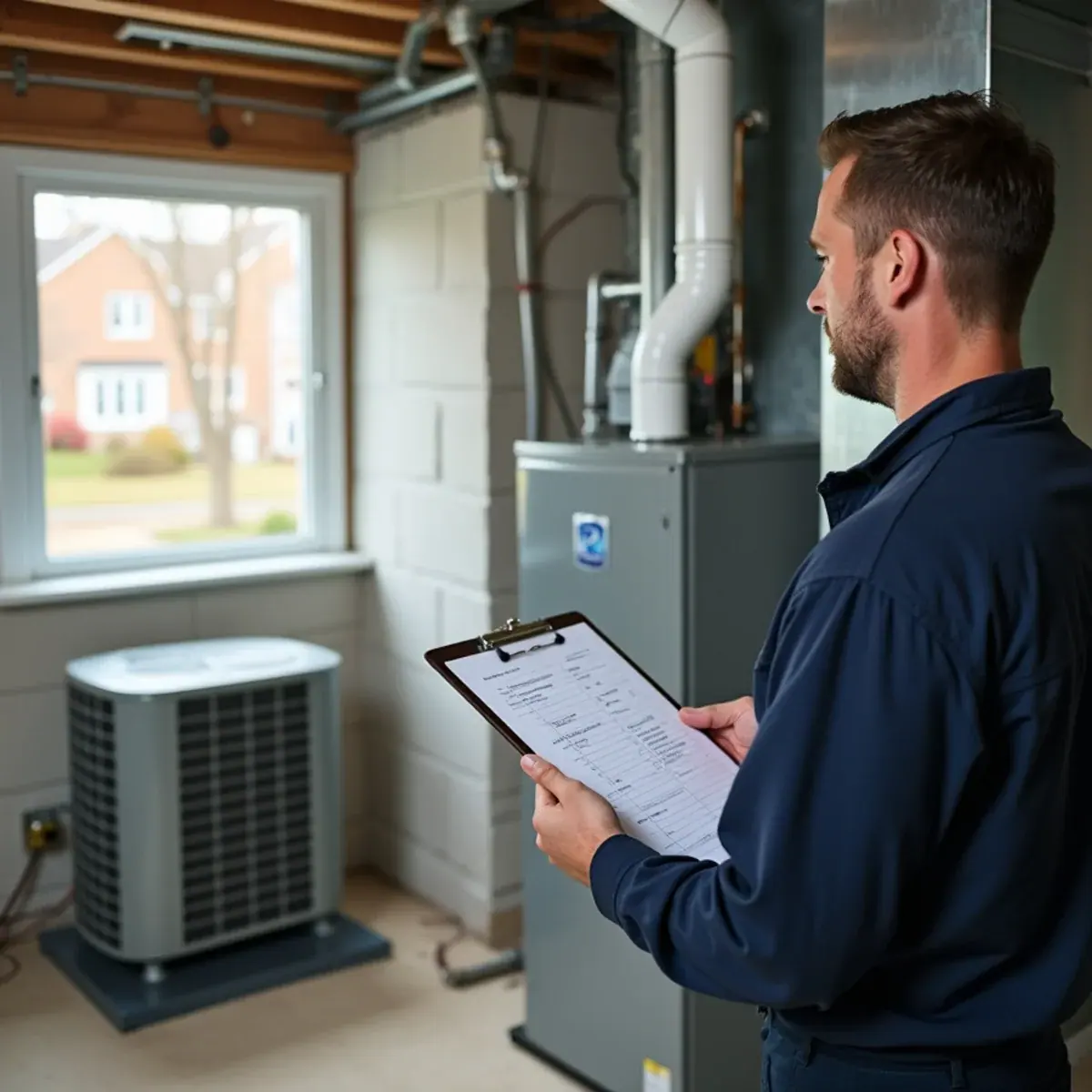
Furnace replacement cost in Westchester, NY depends far more on your house than on the equipment brand. A straight swap of a gas furnace in an accessible basement is a very different job from converting an oil-heated colonial to a whole-home heat pump. Below are rough planning ranges to help you budget, followed by the factors that actually drive the final number.
Rough planning ranges for Westchester homes
- Furnace replacement: roughly $4,900 to $8,850 for a typical gas furnace swap using existing ductwork.
- Heat pump installation: roughly $8,000 to $14,600, depending on system type, capacity and how much the home needs to be adapted.
- Full HVAC replacement (heating and cooling together): roughly $9,800 to $18,200 for a furnace and central air, or comparable combined systems.
Large homes, multi-zone setups and complicated conversions can land above these ranges. A simple like-for-like swap in an easy-to-reach space can come in near the low end.
What moves the price
Sizing and load calculation
Right-sizing starts with a Manual J load calculation, which accounts for insulation, windows, air leakage and orientation. Equipment is then selected with Manual S. Many older furnaces in the county are oversized, and replacing them with the correct size can lower both the equipment cost and your fuel bills. Heat pumps are especially sensitive to sizing, because an undersized unit leans on backup heat on the coldest days.
Ductwork condition
A furnace or ducted heat pump is only as good as the ducts behind it. Leaky, undersized or poorly insulated ducts raise static pressure and cut performance. Heat pumps usually move more air at lower temperatures than a furnace, so ducts that were fine for gas heat sometimes need modification. Homes heated by boilers and radiators often have no ducts at all, which pushes a project toward ductless or new duct installation.
Fuel type and conversions
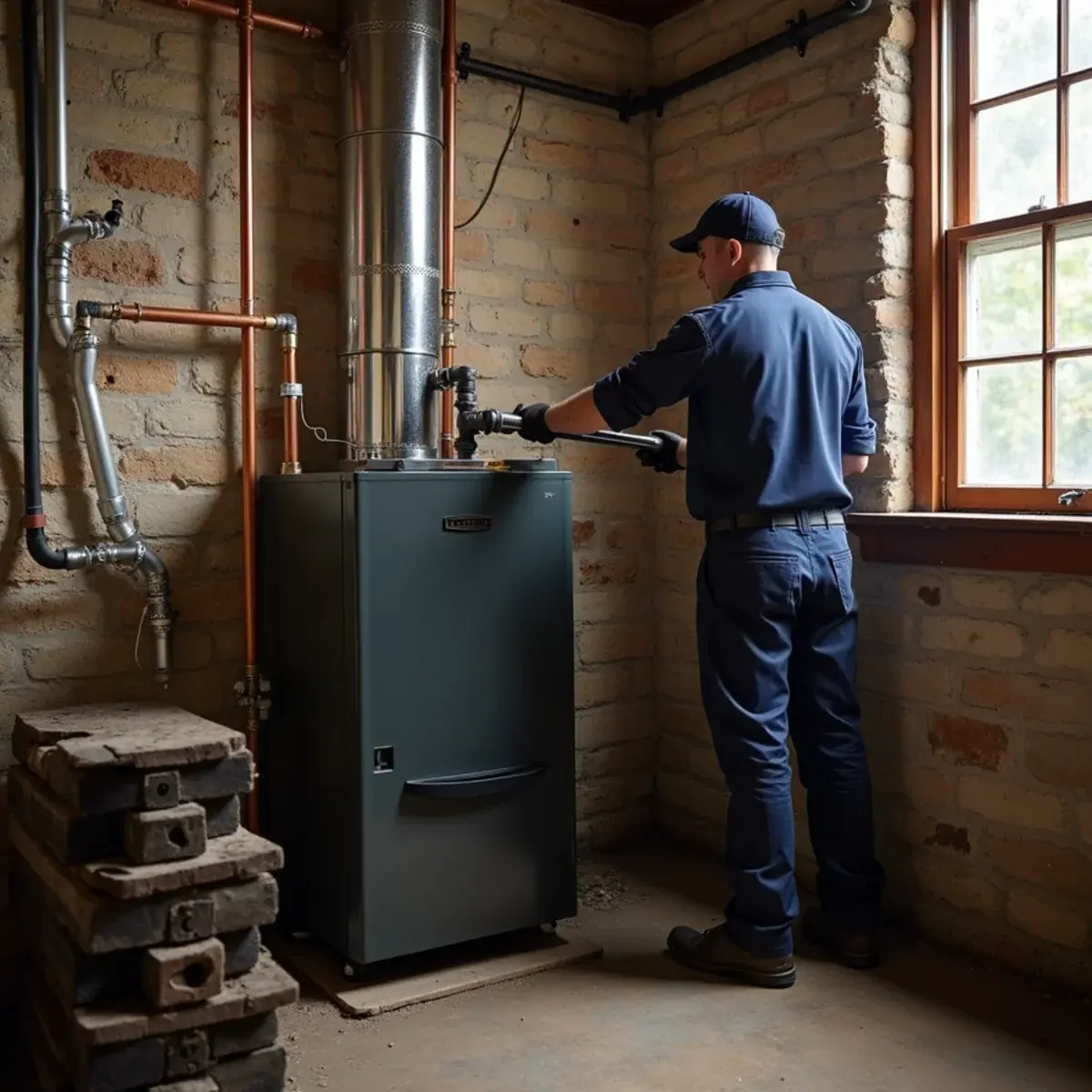
Replacing gas with gas is the most straightforward path. Converting from oil means removing or abandoning the oil tank, possibly running a new gas line or upgrading electrical service, and adjusting venting. Heat pumps may require a larger electrical panel or a dedicated circuit, and a condensing gas furnace needs a condensate drain and often PVC venting in place of an old chimney connection.
Efficiency level and features
High-efficiency condensing furnaces and cold-climate heat pumps cost more up front than base models but save on operating costs, and ENERGY STAR equipment is usually what rebate programs require. Variable-speed blowers, modulating burners and smart thermostats add cost and comfort.
Access and permits
Tight basements, attic installs and long line sets all add labor. Permits and inspections vary by municipality, and your contractor should handle them as part of the job.
Furnace or heat pump: how to decide
A furnace makes the most sense when you already have good ductwork and natural gas, want the lowest installed price and aren’t ready for an electrical upgrade. A heat pump makes more sense when you also need new central air, are moving away from oil, or want to take advantage of electrification incentives. Many households choose a dual-fuel setup, pairing a heat pump with a gas furnace that takes over in the deepest cold.
In towns like North Castle, which includes Armonk and North White Plains, many homes are on oil heat and some are beyond the reach of gas mains. For those houses, the realistic choice is often between a new oil system and a heat pump, which changes the math compared with homes on a gas street.
Don’t forget operating costs
The installed price is only part of the picture. Compare expected yearly fuel or electric costs, maintenance needs and equipment lifespan. A heat pump’s running cost depends heavily on electric rates and how well the house holds heat, while an oil system’s cost swings with fuel prices each winter. Ask your contractor to walk through rough annual operating costs for each option, using your actual fuel bills as the baseline.
Rebates and credits: check before you sign
New York’s Clean Heat program, administered through the utilities (Con Edison serves much of southern and central Westchester) with support from NYSERDA, has offered incentives for qualifying heat pump installations. Amounts, eligibility rules and participating contractor requirements change from year to year, so confirm current terms directly with the program before you count on a number.
Federal tax credits for heating and cooling equipment have also changed. The residential energy efficiency credit that many homeowners used through 2025 has been affected by recent federal legislation, so verify current federal credit availability with the IRS or a tax professional before assuming it applies to your project.
Repair or replace?
Replacement isn’t always the right answer. A furnace under 15 years old with a failed igniter, inducer motor or control board is often worth repairing. Consider replacement when you see a cracked heat exchanger, repeated breakdowns, a failing CO test, or repair costs approaching half the price of a new unit. A tech should show you the evidence and give you options on both paths.
Is a heat pump cheaper once you count the air conditioner?
Comparing a furnace to a heat pump on price alone leaves out cooling. A heat pump heats and cools, so the fair comparison depends on the age of your central air. Using the same local planning ranges (not quotes):
- AC is young and healthy: a furnace replacement at roughly $4,900 to $8,850 is the lower-cost path, and the existing coil and condenser stay.
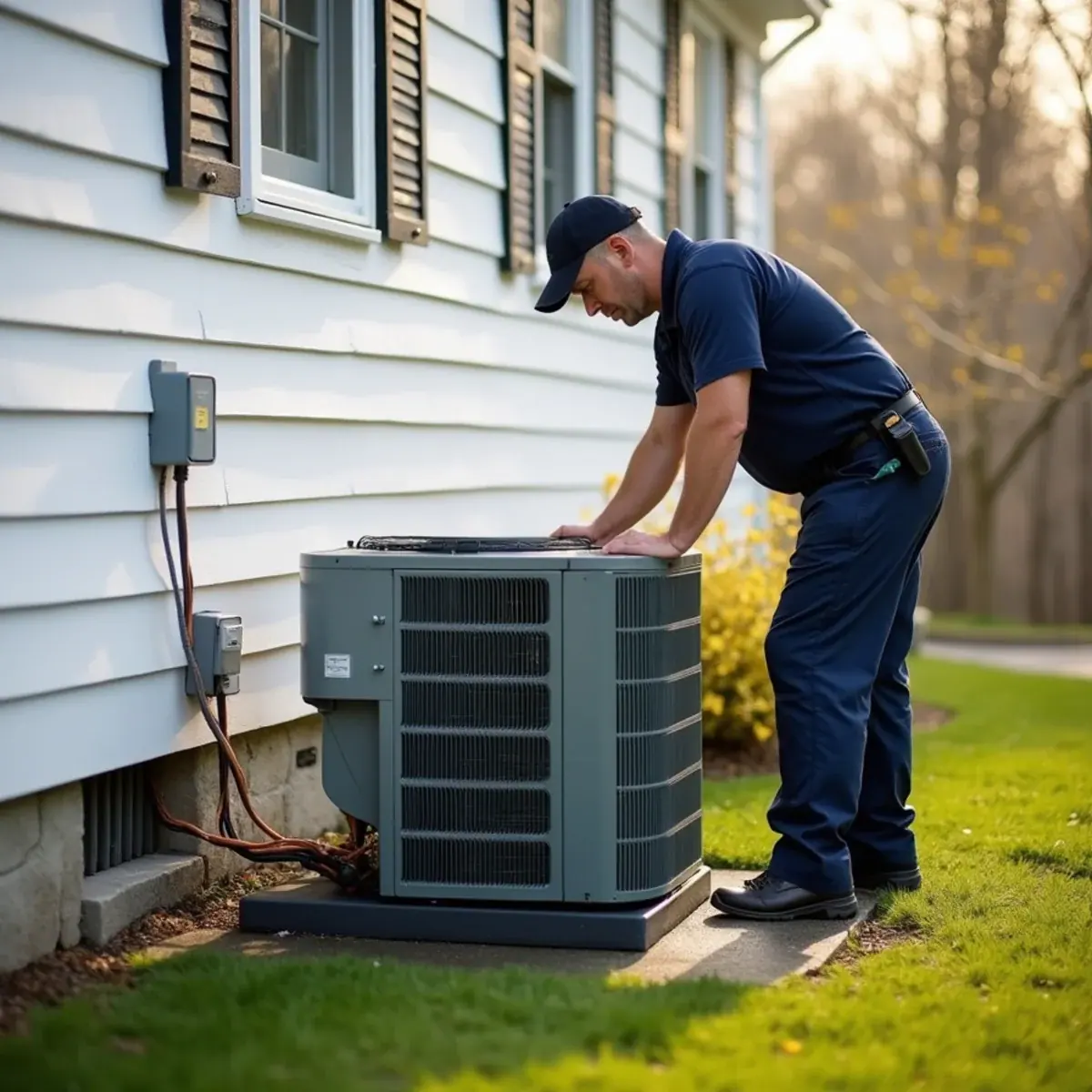
- AC is near the end too: a furnace plus central AC replacement (roughly $4,400 to $8,800+ for the AC) lands close to a full HVAC replacement at roughly $9,800 to $18,200. A ducted heat pump at roughly $8,000 to $14,600 overlaps that range.
- Coming off oil or a boiler: duct work, electrical upgrades and tank removal can outweigh the equipment difference, so price the whole project, not just the box.
Rebates can shift the heat pump side further, but confirm current terms before counting them. Our guide to Con Edison and NYSERDA heat pump rebates covers what to check.
What our installers look at before pricing either option
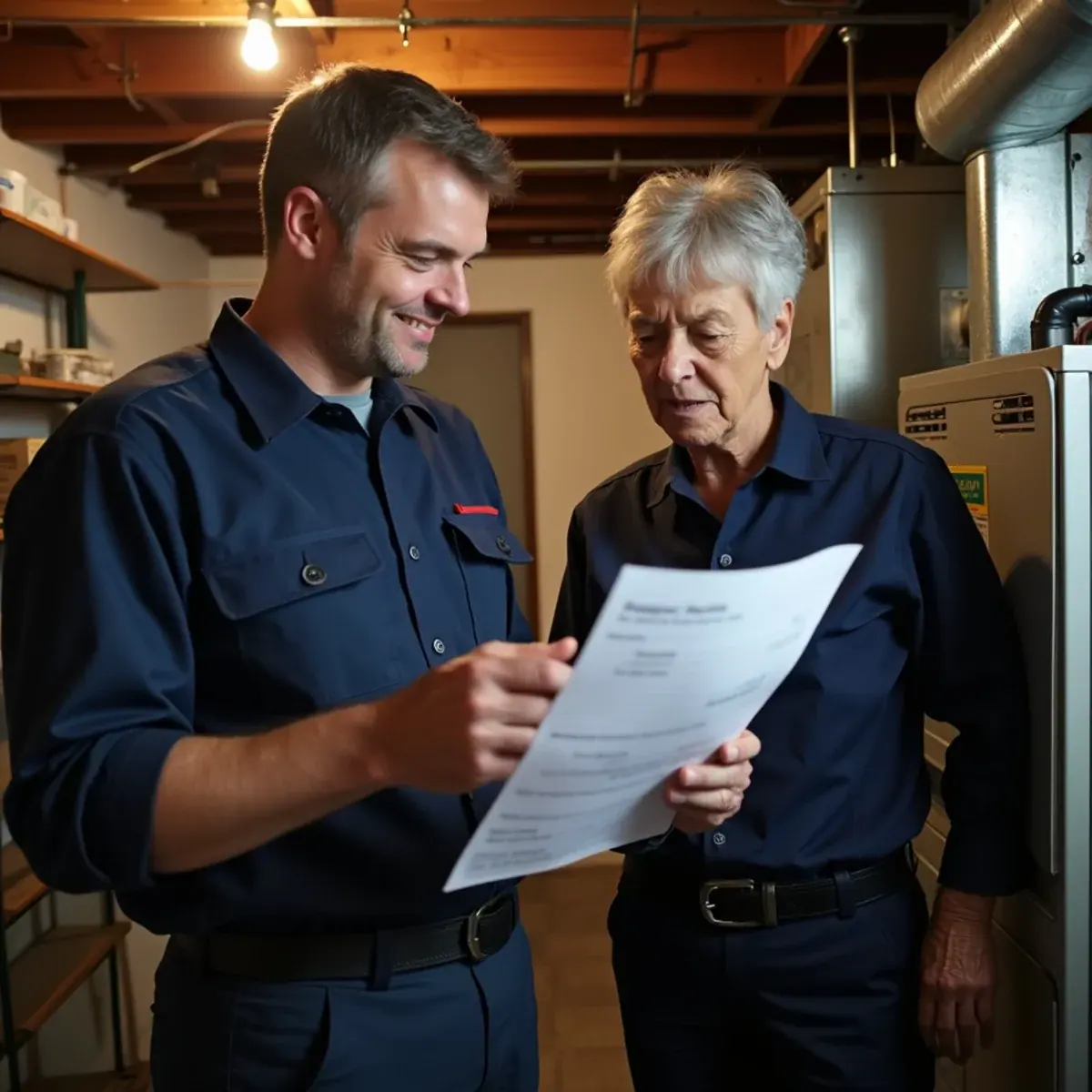
When our technicians walk a Westchester house for a replacement, the old furnace’s nameplate is the least useful number in the basement. Many furnaces installed in the 1980s and 1990s were sized generously, and a house that has since gained new windows and attic insulation often needs less heat than the original equipment makes. Oversized equipment short-cycles and leaves rooms uneven, so we ask whether a Manual J load calculation will be done, and we suggest you ask any contractor the same.
Ducts decide more heat pump projects than equipment does. Many colonials and split-levels in the county were built with a single central return and supply trunks sized for a furnace pushing hot air. A heat pump delivers cooler air in larger volumes, and on ducts like that it can feel drafty and noisy. Sometimes adding a return fixes it; sometimes the numbers point back to a furnace or a dual-fuel setup.
Electrical service is the other surprise. Older homes with 100-amp panels may not have room for a heat pump and its backup heat strips without an upgrade. If your central air is only a few years old, a new furnace can often be matched to the existing coil, which keeps the job simpler and cheaper for now.
- Bring a year of fuel and electric bills to the estimate; operating-cost comparisons need real numbers.
- Ask whether the quote includes the White Plains or local municipal permit, disposal and startup testing.
- On oil homes, ask what happens to the tank and who handles it.
Getting a real number for your home
Planning ranges are a starting point, but only a site visit gives a price you can rely on. Our heating repair and installation team serves homes throughout Westchester County and will check your ductwork, electrical service and fuel options before recommending anything. If you’re pairing new heat with cooling, see our AC repair and installation page, and ask about maintenance plans to protect the investment. Call our team to schedule an assessment.
Frequently asked questions
Do heat pumps work in Westchester winters?
Modern cold-climate heat pumps are designed to keep producing heat in temperatures well below freezing, though their efficiency drops as it gets colder. Correct sizing is critical. Many homeowners pair a heat pump with an existing or new furnace in a dual-fuel setup so the furnace handles the coldest nights. A load calculation shows whether a heat pump alone can carry your house.
How long does a furnace replacement take?
A straightforward gas furnace swap in an accessible basement is often completed in a day. Jobs that involve new venting, duct changes, adding central air or converting from oil can take longer, and permit inspections may add scheduling time. Your contractor should give you a realistic timeline before work starts so you can plan around it.
Are the planning ranges in this article a quote?
No. They are rough figures to help you budget and compare options. The real cost depends on your home’s size, ductwork, electrical service, fuel type, equipment efficiency and access. A site visit with a load calculation is the only way to get a price you can rely on.
Should I replace my furnace and central air at the same time?
If the air conditioner is more than about 12 to 15 years old or runs on R-22, replacing both together usually makes sense. You pay for one installation, the indoor coil and outdoor unit get properly matched, and you avoid a second disruption a few summers later. If the AC is young and working well, a new furnace matched to the existing coil is a reasonable way to spread the cost.
Which lasts longer in Westchester, a furnace or a heat pump?
A well-maintained gas furnace often runs 15 to 20 years or more, because it only works in winter. A heat pump runs year-round for heating and cooling, so many last closer to the 12 to 15 years typical of central air. Installation quality, duct condition and annual service affect both more than the brand does, so factor lifespan into any cost comparison.