Prevention
How Often Should Air Ducts Be Cleaned in New York Homes?
There is no single right interval for duct cleaning. Here’s what the EPA and NADCA actually say, the signs that mean it’s time, and when you can skip it.
24-hour emergency service · Family-owned since 1976
Licensed, bonded & insured · EPA Universal Certified · BBB Accredited A+
Heating & cooling · White Plains & Westchester
Duct cleaning done by an HVAC company, not a coupon mailer: we clean the ducts, the blower and the coil, because dirty ductwork is usually a symptom of something else.
Duct cleaning in White Plains is worth paying for when there’s real debris, pest contamination or mold in the system — not for a little dust at the registers. Bella Family Air Solutions cleans the full air path under negative pressure, including the blower and coil, with non-toxic Nu-Calgon products, and tells you plainly if your ducts don’t need it.
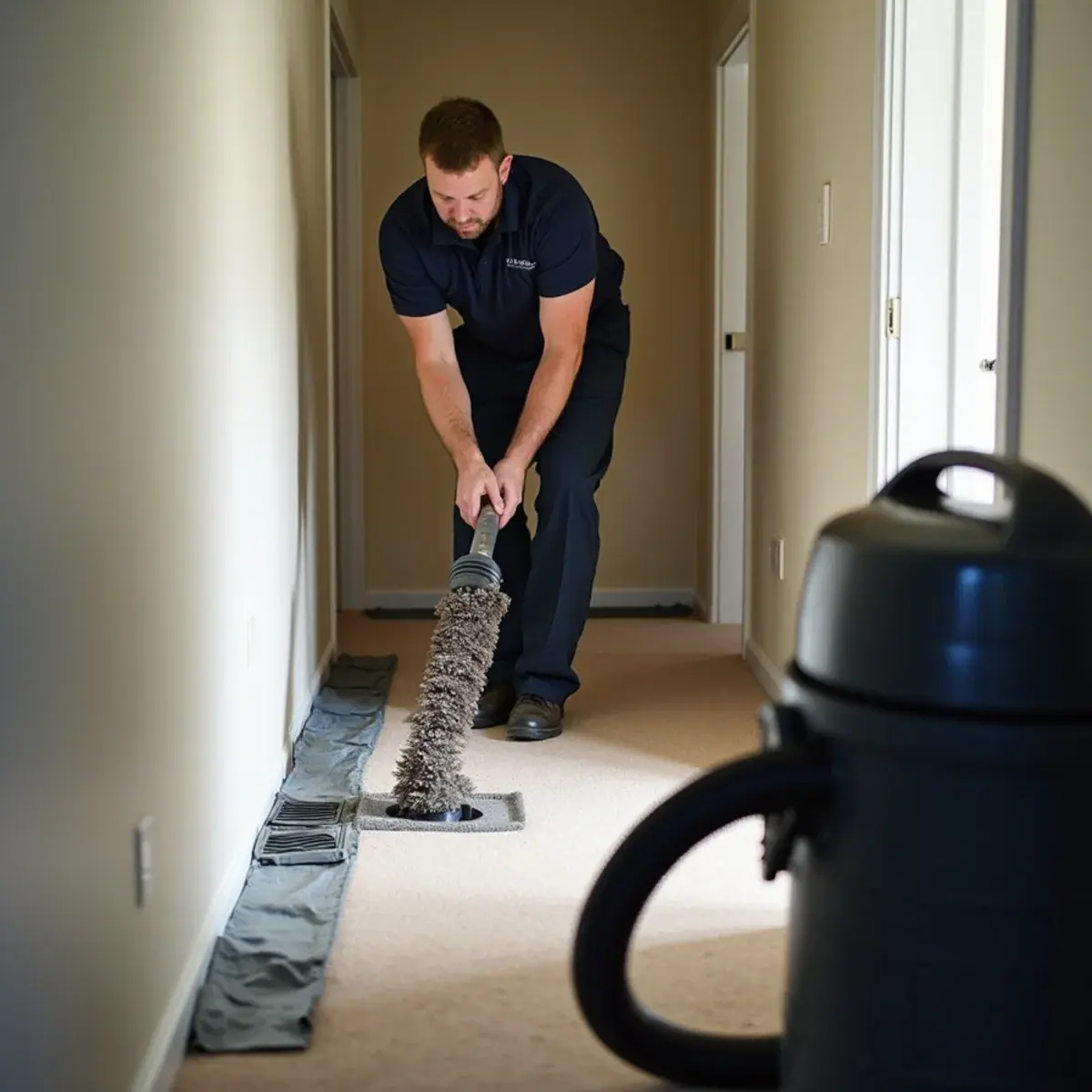
Most of the duct cleaning offers that land in Westchester mailboxes promise whole-house cleaning for a suspiciously low number. What arrives is often a shop vacuum at the registers. Real duct cleaning is a source-removal job: the system is put under negative pressure, the ductwork is agitated with brushes or air whips, and loosened debris is pulled out to a collector. Just as important, the blower wheel and evaporator coil get cleaned too, because a clean duct fed by a dirty blower is dirty again in months.
We are Nu-Calgon certified and use environmentally safe, non-toxic, non-abrasive cleaning products throughout. That matters in homes with kids, pets or anyone with asthma, and it matters for the equipment — harsh cleaners can corrode aluminum coil fins.
We’ll also tell you when cleaning won’t help. Plenty of homes have ducts that are dusty on the surface but perfectly functional, and cleaning them won’t change your air quality in any way you’d notice. We’d rather sell you a better filter.
These are the situations where we recommend cleaning. A little surface dust at a register is not on the list.
Renovation dust got into the system
Drywall sanding or floor refinishing with the system running coats ducts with fine debris that keeps circulating.
Evidence of rodents or insects
Droppings, nesting material or odors in the ductwork warrant cleaning and sanitizing, and sealing the entry point.
Visible mold growth
Growth on sheet-metal return ducts or the coil area calls for our duct mold remediation service.
Debris blowing out of supply registers
Puffs of dust or particles at startup mean material is loose inside the system.
You moved into a home with unknown history
A one-time baseline cleaning makes sense when you don’t know what the previous owners did.
Restricted airflow with a clean filter
Heavy buildup on the blower wheel or coil can choke airflow and raise static pressure.
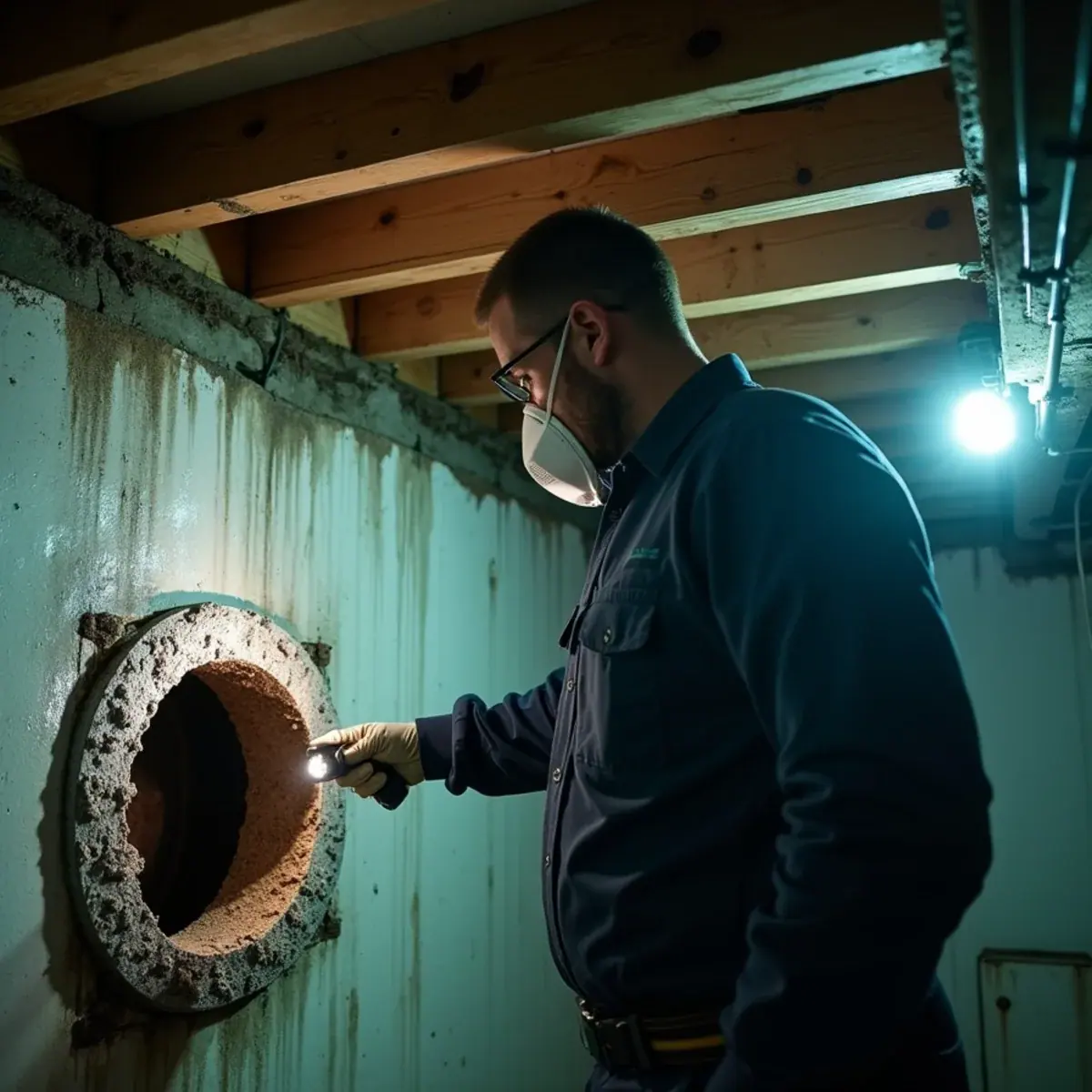
Looking is safe; stirring things up isn’t. Before you book a cleaning, these checks tell you — and us — what’s going on inside the ductwork:
Stop there. Visible mold on the coil or ductwork belongs with our [duct mold remediation](/duct-mold-remediation/) work, and anything that smells electrical or burnt is a service call, not a cleaning appointment.
Coupon cleanings usually stop at the registers you can see. Ours covers the parts of the system you can’t, and you get a clear account of what we found inside.
Every branch, supply and return
Each supply run to each room and each return path back to the air handler gets cleaned — not just the main trunk line in the basement. Bedrooms at the end of long runs often hold the most debris.
The return plenum and return drops
The return side pulls air, dust and humidity from the house, so it collects the heaviest buildup. It’s also where our two-part maintenance focuses its sanitizing, which is why we treat it as its own line item.
Registers and grilles removed and washed
Supply registers and return grilles come off, get cleaned and go back on straight. Painted-over or broken grilles are noted so you can replace them, since a grille that won’t seat lets dust bypass the filter.
Access openings closed properly
Any hole we cut to reach a duct is sealed with a sheet-metal patch and foil tape, not left for cloth duct tape to peel. An unsealed access port leaks air and pulls in dust from the basement or attic.
A look at return leaks
Unsealed return joints in a basement or crawlspace suck in dust, dampness and odors, then spread them to every room. We point out the leaks we find, because sealing them does more for clean air than repeat cleanings.
Filter size and a filter recommendation
We record the filter size and slot, and suggest a filter your blower can actually handle. An overly restrictive filter can starve airflow as badly as a clogged one, so the right choice depends on your equipment.
A list of damaged ductwork
Crushed flex, disconnected runs in an attic, rusted boots under a slab or duct board shedding fibers get written down. Cleaning can’t fix those; you get the list so you can decide on repairs separately.
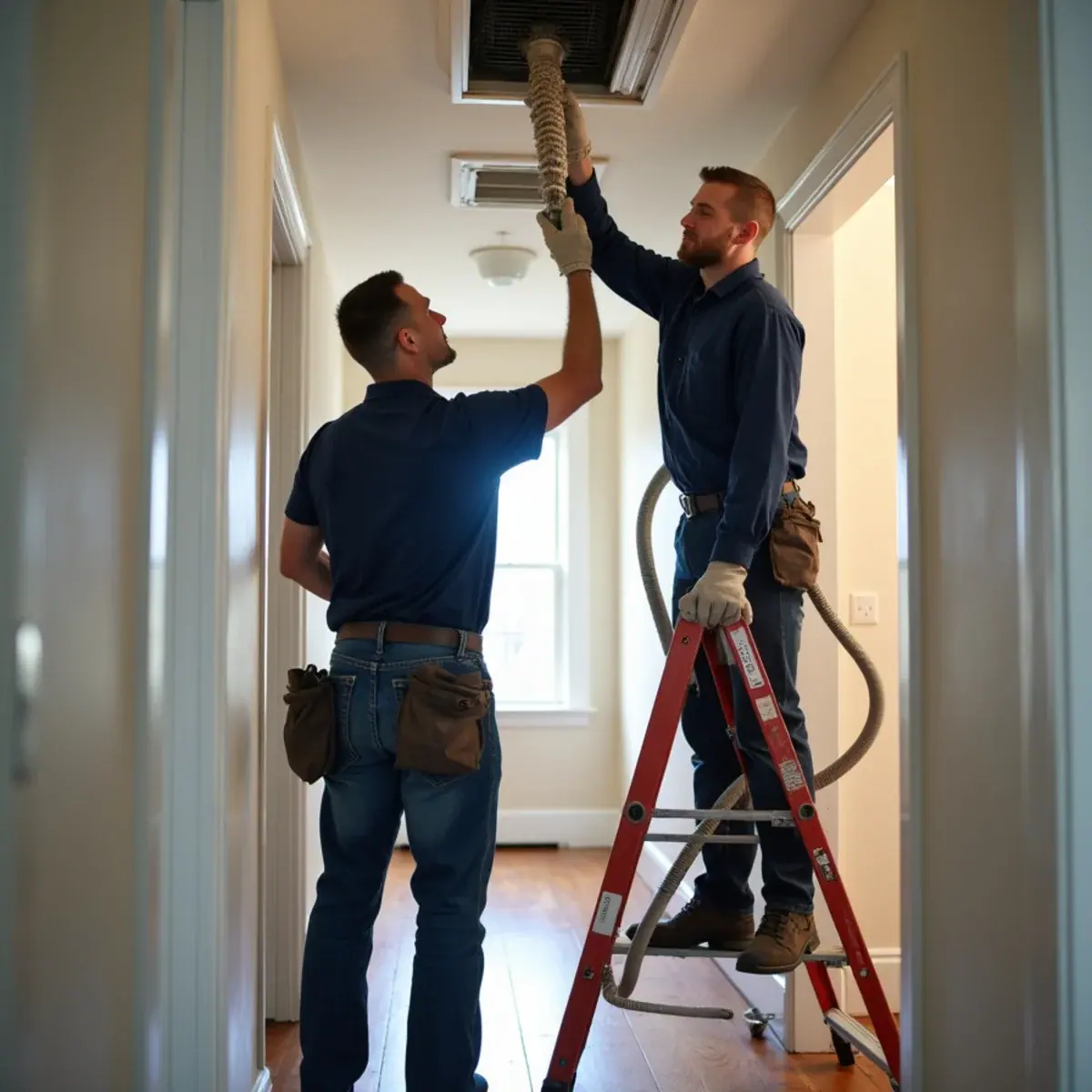
A complete cleaning covers the whole air path, from return grille to the last supply register.
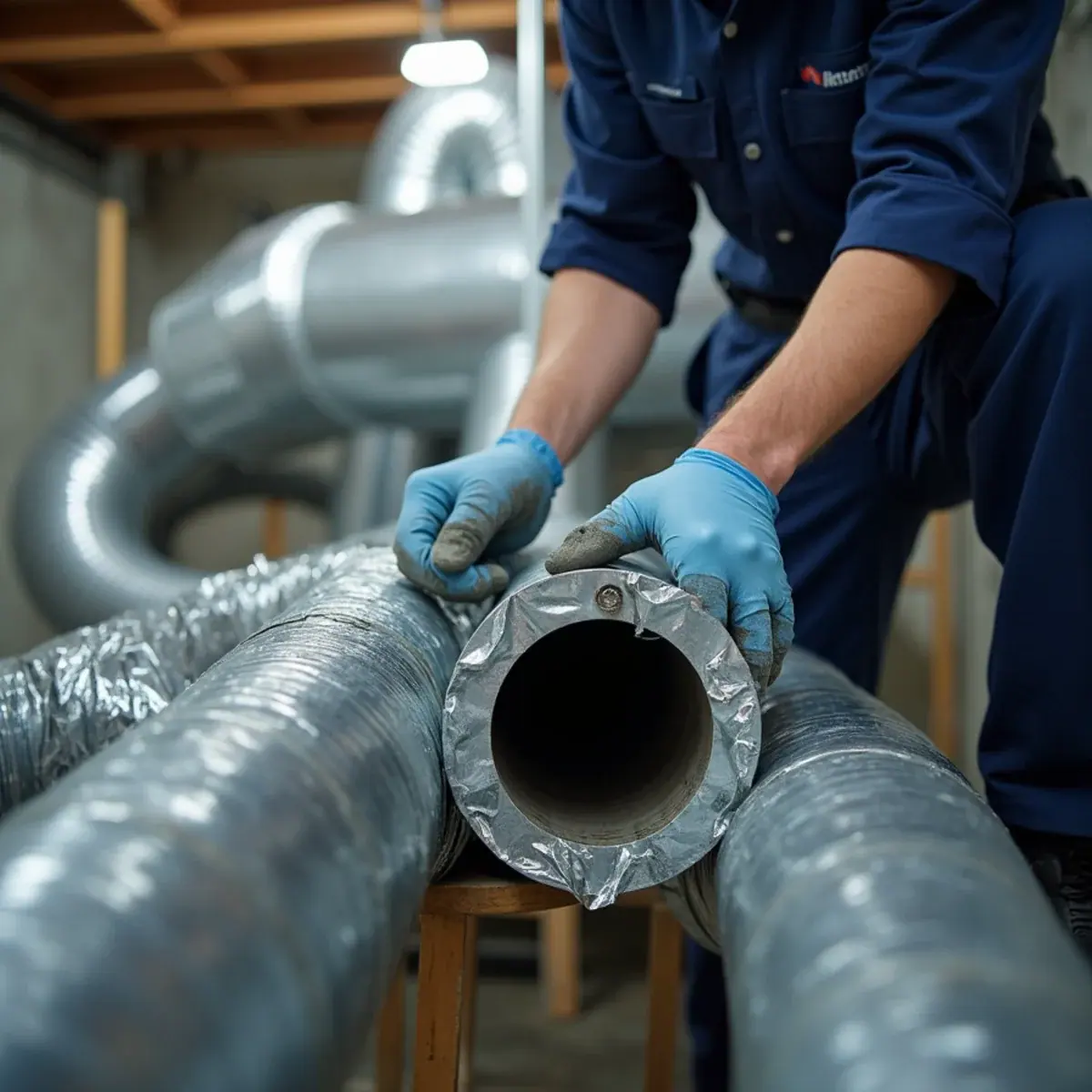
We look inside accessible ducts, the blower compartment and the coil, and tell you honestly whether cleaning is warranted.
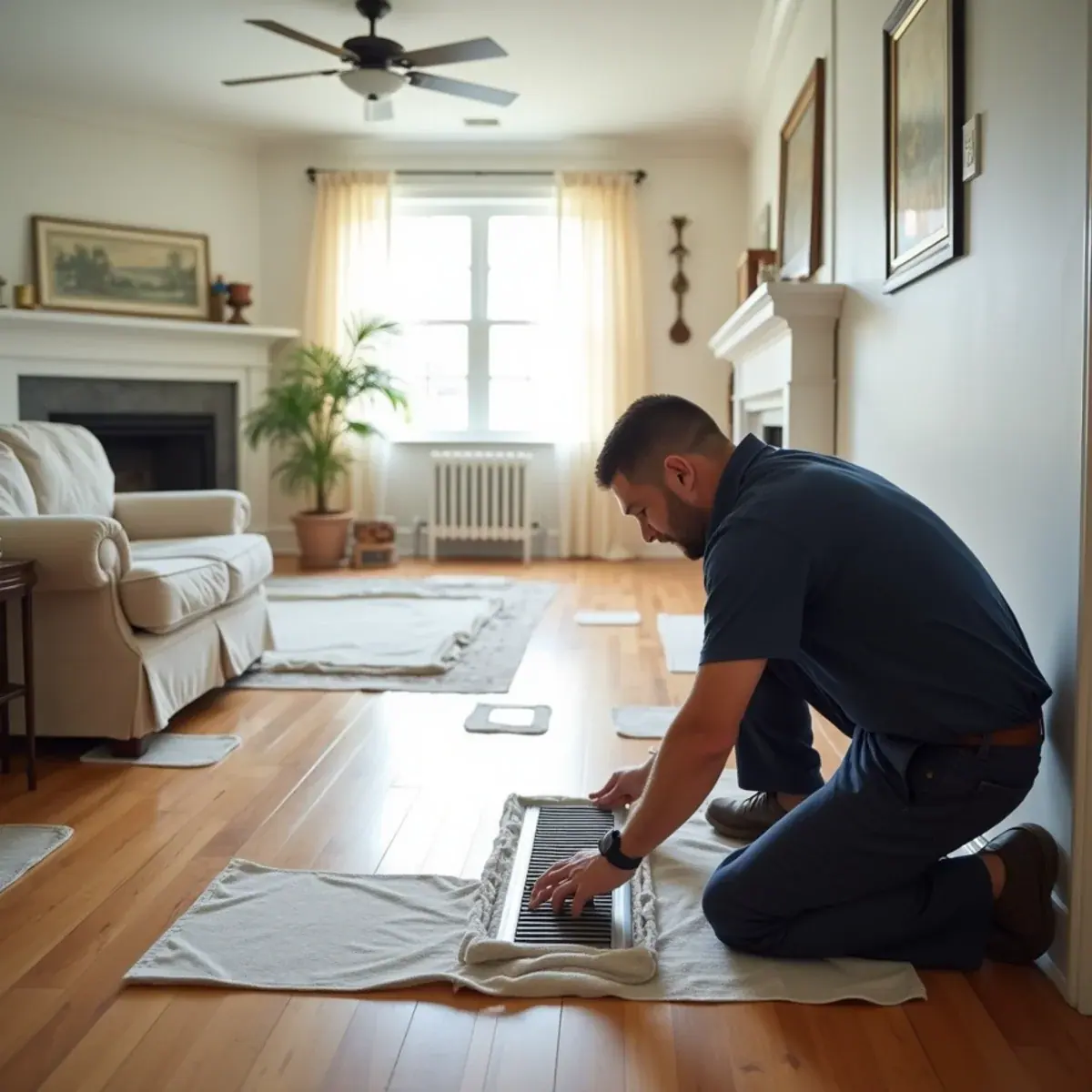
Registers are covered, floors protected and the system is shut down before we open anything.
A collection unit keeps the ductwork under suction while brushes and air whips break debris loose, branch by branch.
Blower wheel, blower housing and evaporator coil are cleaned with Nu-Calgon non-toxic products; the condensate pan is flushed.
New filter installed, access openings sealed, and airflow checked at the registers.
We don’t quote per vent, and we don’t publish a teaser price. Here is what actually drives the job.
If our inspection shows your ducts don’t need cleaning, we’ll say so and tell you what would help instead — usually a filter upgrade or sealing leaky return joints.
Federal guidance on duct cleaning is measured: there is no strong evidence that routine cleaning prevents health problems, but it is appropriate when there is substantial debris, vermin or mold. We agree. Most indoor dust comes from people, pets and outdoor air, not from ducts. What makes a real difference day to day is a properly sized filter changed on schedule, sealed return ductwork and a clean coil.
That’s why duct cleaning pairs naturally with our HVAC maintenance visits. For a closer look at timing, see how often air ducts should be cleaned in New York homes.
On central air systems we offer a two-part maintenance: we pull and clean the burners on the heating side, and we remediate and sanitize the return ducts, where moisture and dust tend to collect. It’s a thorough approach built for homes where the same air handler heats and cools year-round.
We clean ducts in White Plains and nearby towns including Scarsdale and Hartsdale, where many homes still run on original sheet-metal ductwork. If your system also has comfort or cooling problems, our AC repair team can look at those on the same visit.
Duct cleaning prices vary wildly because the scope does. Before you compare any two quotes — ours included — check that each one states:
Line by line
A price per vent is a warning sign: it encourages cleaning registers rather than ducts. If a crew finds “mold” mid-job and the price jumps, ask to see it before approving more work.
A little prep saves time on site and keeps the job clean:
Prep
Nu-Calgon certified, non-toxic products
We use Nu-Calgon’s environmentally safe, non-abrasive cleaners on duct surfaces, blower wheels and coils. That protects soft aluminum fins from corrosion and keeps harsh chemical residue out of the air your kids, pets and anyone with asthma will breathe.
Certified Green since we went green
The family has worked in local homes since 1976 and incorporated in 2013 after going green. Low-impact products and practices are how the company is built, not a surcharge added to the duct cleaning invoice.
HVAC technicians, not a vacuum crew
Every tech has at least 15 years in the trade. When the blower wheel is caked or the coil is matted, they recognize it and clean it — and they notice a cracked heat exchanger or failing motor that a duct-only crew would miss.
Clean, neat work inside finished homes
Reviewers describe our techs as clean and neat and say they explain the job before starting. With registers open in bedrooms and living rooms, protecting floors and furniture matters as much as the brushes do.
Where we work
We provide duct cleaning in White Plains and these nearby communities — plus the rest of Westchester County.
Renovation dust is the most common reason we clean ducts, and older homes that get gut kitchens and refinished floors — across Eastchester, Tuckahoe and New Rochelle — generate plenty of it. In Mamaroneck, basements near the Mamaroneck and Sheldrake rivers can take on water, and a return duct that sat in it needs cleaning at minimum.
Farther north, larger homes in Chappaqua and Yorktown Heights often have a second system in the attic with long flex runs that get crushed or disconnected over the years. We inspect those runs before recommending any cleaning at all.
FAQ
There is no fixed schedule. Most homes don’t need routine duct cleaning if filters are changed regularly and the return side is sealed. We recommend it after renovation work, when there is evidence of pests or mold, or when you’ve bought a home and don’t know its history. An inspection tells you more than a calendar does.
We are Nu-Calgon certified and use their environmentally safe, non-toxic, non-abrasive products on ducts, blower components and coils. Non-abrasive matters because aggressive cleaners can corrode aluminum coil fins. Non-toxic matters because whatever goes into your ductwork is eventually circulated through the rooms where your family breathes.
Carefully, and not always. Flexible duct has a thin inner liner that brushes can tear, so we use gentler methods. If flex duct is crushed, torn or contaminated with mold or rodent waste, replacing that section is often the better answer than trying to clean it. We’ll show you what we find before recommending either.
Only if buildup was actually restricting airflow, and the biggest gains usually come from cleaning the blower wheel and coil rather than the ducts themselves. A matted coil or caked blower wheel makes the system run longer. If your ducts are merely dusty, don’t expect a noticeable change on your bill.
Some are, many aren’t. Consumer protection agencies have warned about bait-and-switch duct cleaning offers where the advertised price covers a few registers and the crew then claims mold or heavy contamination to upsell. Ask what equipment they use, whether the blower and coil are included, and how many supply and return runs the price covers.
A single-system home is usually a one-visit job; a house with separate attic and basement systems takes longer. You don’t need to leave. The system is shut off while we work, the collector keeps loosened debris under suction, and the Nu-Calgon products we use are non-toxic, so kids and pets can stay home.
If the old ducts carry renovation dust, rodent contamination or mold, yes — clean them before or during the changeover, so debris isn’t blown straight into a new blower and coil on day one. If they’re in good shape, sealing return leaks and fitting a proper filter rack does more for the new equipment than a cleaning.
Written by the Bella Family Air Solutions team · Last reviewed . Planning ranges, permit and rebate guidance are reviewed at least quarterly.
Related services
Return-duct and air-handler mold remediation and sanitizing with non-toxic treatments — plus fixing the moisture problem that let mold grow there in the first place.
Learn moreSpring and fall maintenance built around our two-part service: burners pulled and cleaned, return ducts sanitized and every safety control tested.
Learn moreCentral air repair and installation by EPA Universal certified technicians who test before replacing parts and give you real options on older systems.
Learn morePrevention
There is no single right interval for duct cleaning. Here’s what the EPA and NADCA actually say, the signs that mean it’s time, and when you can skip it.
Prevention
Musty smell when the system kicks on? Return ducts in damp basements are a common home for mold. Here’s what causes it, why it matters and how it’s treated safely.
Tell us what your system is doing and we'll get a technician with 15+ years of experience on the way. Clear explanation, written options, no pressure.
Bella Family Air Solutions · 18 Jefferson Pl, White Plains, NY 10603 · (831) 461-3437