Prevention
Mold in Your Return Ducts: Causes, Health Risks and Safe Treatment
By Bella Family Air Solutions 4 min read
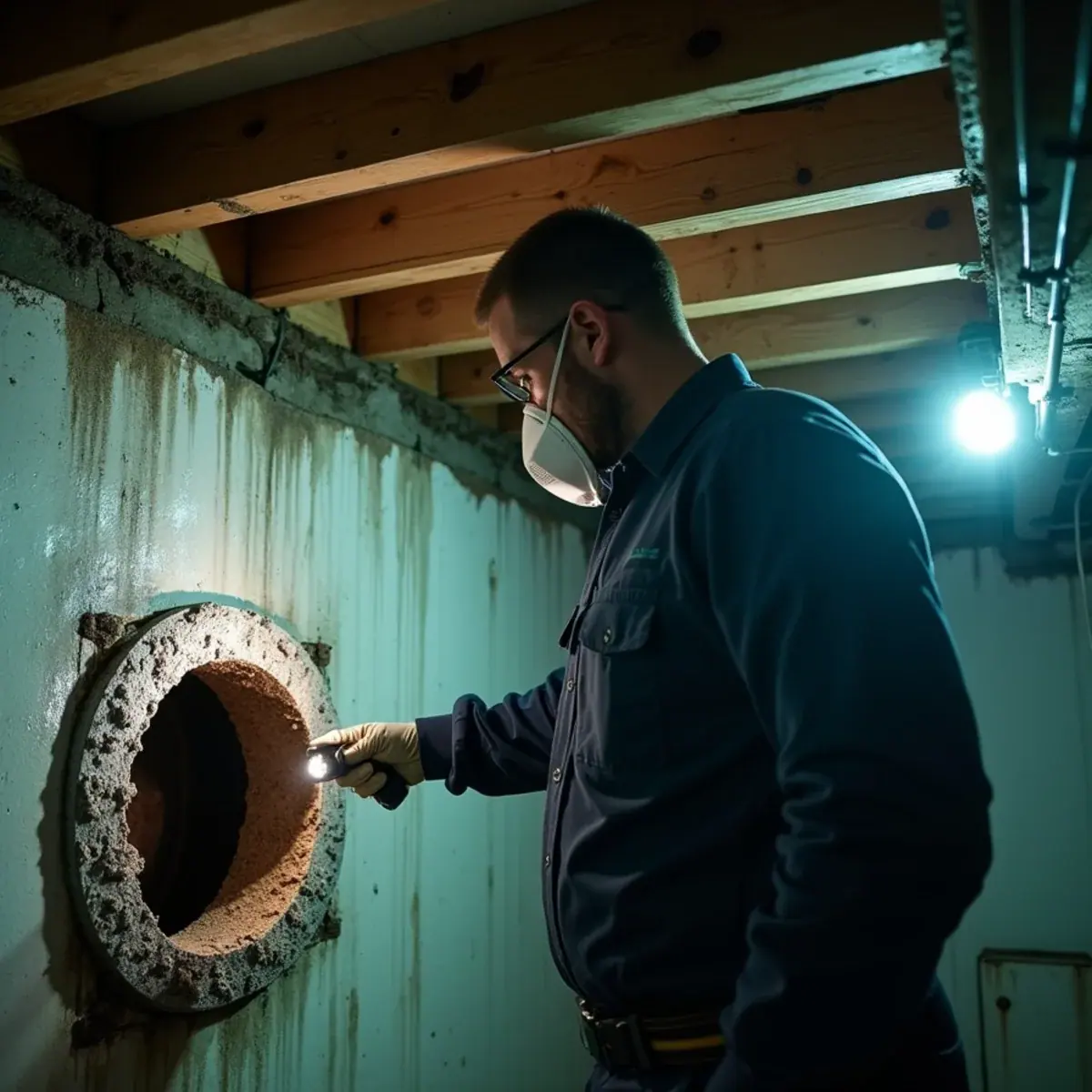
Mold in air ducts most often shows up on the return side, the ducts that pull air from your rooms back to the furnace or air handler. Returns frequently run through damp basements and crawl spaces, they collect dust that feeds growth, and in many homes they are the least-inspected part of the system. If you notice a musty smell when the blower starts, dark spotting around a return grille, or allergy symptoms that ease when you leave the house, the return ducts are worth a look.
What Causes Mold in Return Ducts
Mold needs three things: moisture, a food source and time. Ductwork can provide all three.
Condensation
During cooling season, cold supply air and a chilled evaporator coil sit next to warm, humid basement air. Where uninsulated metal meets that air, water condenses on the duct surface. Near the air handler, return plenums can pick up moisture from a coil that sweats or a drain pan that does not empty.
High Indoor Humidity
Westchester summers are humid, and older homes along the Sound often run damp year-round. An oversized air conditioner cools the house quickly but shuts off before it has removed much moisture, leaving humidity high enough to support growth inside ducts.
Dirty Coils and Clogged Drains
A dirty evaporator coil holds water and debris. A condensate drain that is partially clogged lets water stand in the pan. Both put moisture right at the air handler, where the return connects.
Leaky Returns in Damp Basements
Return ducts run under negative pressure. Any gap or unsealed joint pulls in air from the space around it. In a damp basement or crawl space, that means drawing in moist, musty air, and sometimes spores, and distributing it through the house. Panned joist returns, where a joist bay is closed off with sheet metal and used as a duct, are especially prone to leaks.
Health Notes, Kept General
We are HVAC technicians, not physicians, so we keep this to what public health agencies say. The EPA and CDC note that mold exposure can trigger allergy-type symptoms such as a stuffy nose, sneezing, itchy eyes or skin irritation in sensitive people, and can make asthma symptoms worse for some. Anyone with ongoing symptoms, a respiratory condition or a weakened immune system should speak with a doctor. Our role is to find and remove the source in the ductwork.
Signs Worth Checking Before You Call
A few quick observations help us narrow down the cause when we arrive:
- Does the musty smell appear only in cooling season, or year-round? Summer-only odors point toward the coil and drain; year-round odors suggest a damp basement feeding leaky returns.
- Is there rust, water staining or standing water under the air handler?
- Are return grilles near the floor spotted, or only those in bathrooms and basements?
- Has the basement flooded or taken on water in the past few years?
How We Treat Return Duct Mold Safely
Harsh chemicals blown through ductwork can create their own air quality problem. We use Nu-Calgon products that are environmentally safe, non-toxic and non-abrasive, and our team is Nu-Calgon certified. A typical duct mold remediation and sanitizing visit follows this order:
- Inspect the return grilles, return trunk, plenum, blower compartment and evaporator coil to map where growth is and find the moisture source.
- Physically clean affected surfaces. Sanitizer is not a substitute for removing buildup.
- Apply a non-toxic treatment to the cleaned return surfaces and plenum.
- Clean the coil and drain pan, and flush the condensate line.
- Recommend fixes for the underlying cause, such as sealing return leaks or improving humidity control.
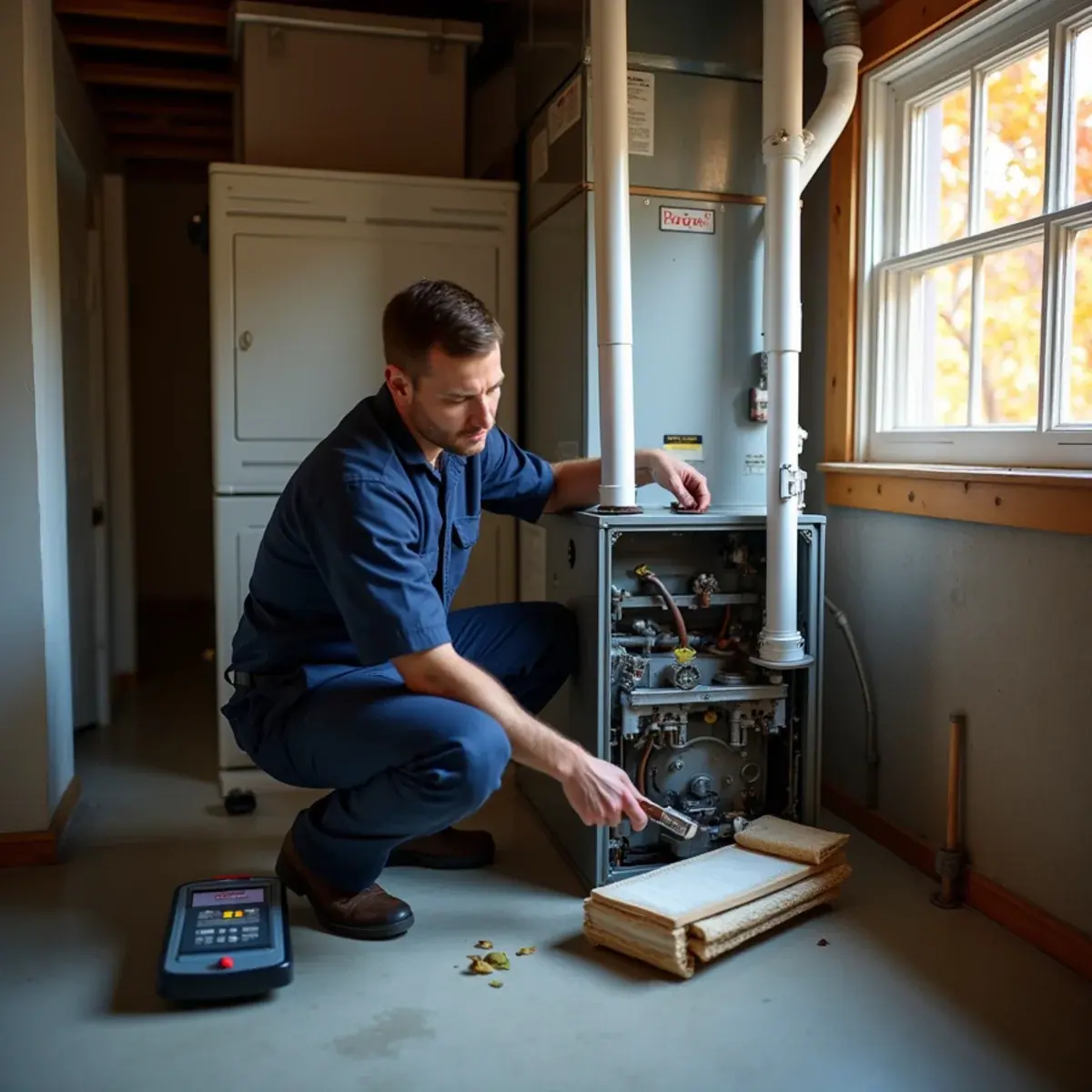
Return duct sanitizing is also the second half of our two-part HVAC maintenance, alongside pulling and cleaning the burners, so it happens regularly rather than only after a problem appears.
Preventing Mold From Coming Back
- Keep indoor humidity between 30 and 50 percent. A basement dehumidifier or a whole-house unit makes a big difference in damp homes.
- Change or check the filter monthly. A clean filter keeps dust, the food source, off the coil and out of the ducts.
- Have the evaporator coil cleaned during spring maintenance so it drains properly.
- Keep the condensate drain clear. Flush the line and trap each season and confirm the pan empties.
- Seal and insulate return ducts in basements and crawl spaces to stop leaks and condensation.
- Right-size the AC at replacement time so it runs long enough to dehumidify.
Where We See It Most
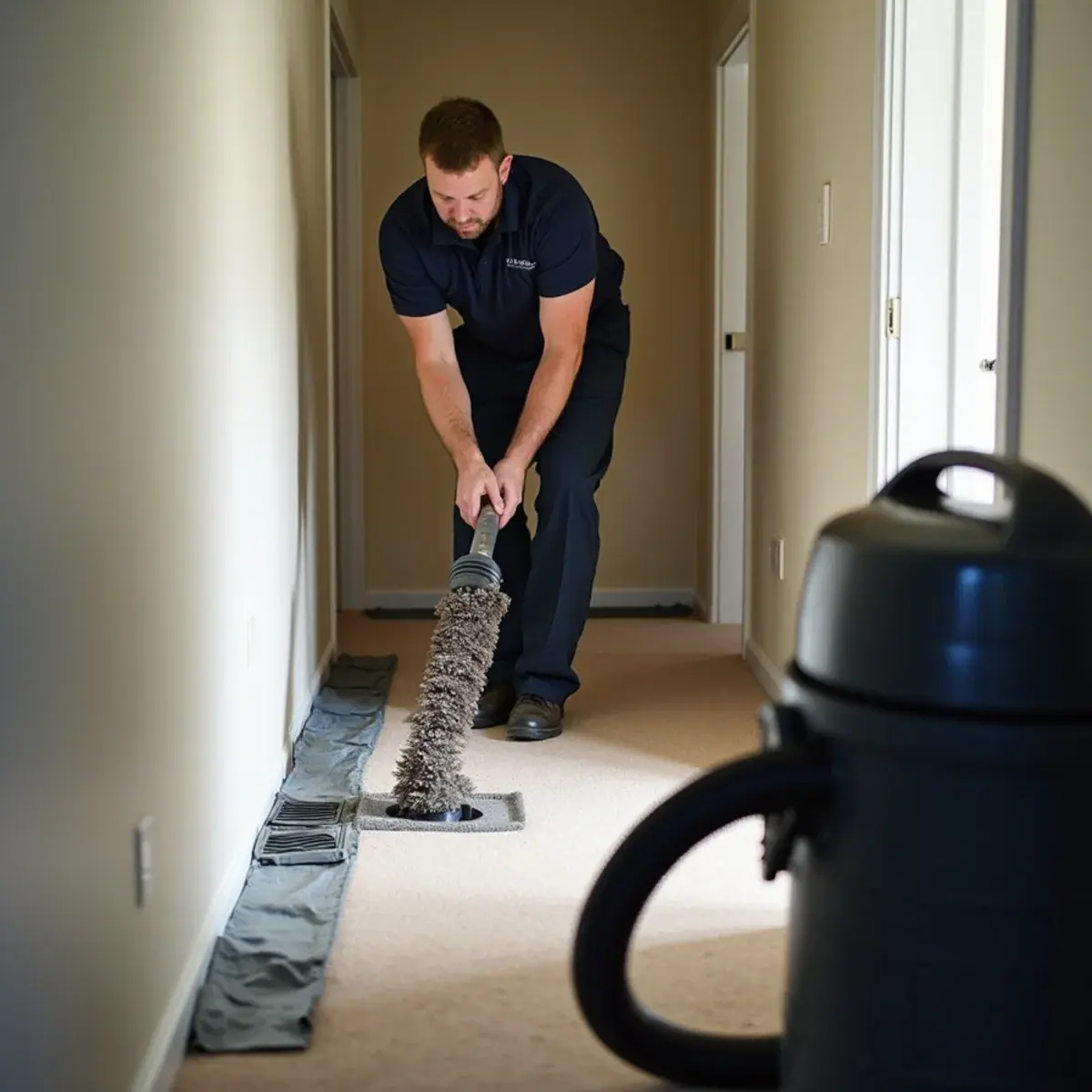
Older homes along Long Island Sound, including many in New Rochelle and Pelham, combine humid air, stone or block foundations and retrofit ductwork run through basements that were never meant to hold it. Those conditions make return duct mold a recurring issue rather than a rare one. If your home also has a dusty system, our air duct cleaning service can address the whole network.
Is It Mold, or Just Dust and Soot?
Dark marks around vents aren’t always mold. Before you worry, compare what you see with the usual look-alikes.
- Gray or black streaks on the ceiling beside a supply register are often dirt carried by air leaking past the register edge, or soot from candles. They wipe off dry and don’t bring a smell back with them.
- A black film on walls and vents across the house after an oil burner misfire is soot from a puff-back. That calls for burner service and professional cleaning, not mold treatment; our oil burner service page explains the cause.
- Fuzzy or blotchy growth in green, white or black, with a musty smell that returns after wiping, especially near the coil or basement returns, points to mold.
Settle-plate test kits left open on a counter will grow something in nearly every house, because some spores are normal indoors. A look inside the return, coil and blower says far more about whether your HVAC system is the source.
From our technicians’ flashlights: where return-duct mold actually hides
When we open a system on a mold complaint, the grille in the living room is rarely the worst spot. Growth tends to gather in three places: the first few feet of the return drop just before the filter rack, the underside of the evaporator coil where water hangs in the fins, and the blower wheel, whose curved blades collect a damp, felt-like layer of dust. A blower wheel in that condition keeps reseeding the ducts no matter how well the grilles are wiped, so it has to be cleaned or pulled.
Look hard at the filter rack, too. A slot with no cover, or a filter half an inch too small, lets unfiltered basement air slip around it and land on the coil. That coil then holds dust and water together, which is all mold needs. A snug filter and a sealed slot door cost little and do more for a mold-prone system than any spray.
There are honest limits to what cleaning can do. Sheet metal cleans and sanitizes well. Fiberglass duct board and the fuzzy liner inside some return plenums are porous, and once growth works into them, cleaning doesn’t reliably reach it; those sections get replaced. Flex duct with growth inside is replaced too. If a quote promises to bring contaminated duct board back to new with a fogger, ask exactly how.
Take the Musty Smell Seriously
A mold smell from your vents is a sign that moisture is getting where it should not. Finding the source early keeps the fix small. If you suspect growth in your return ducts, contact us for an inspection. We will explain what we find, clean and treat the ducts with safe products, and help you keep it from returning.
Frequently asked questions
How do I know if there is mold in my air ducts?
Common signs include a musty or earthy smell when the system starts, visible dark spotting on return grilles or the plenum, and water around the air handler or drain pan. Allergy-type symptoms that improve when you leave home can be another hint. A technician can inspect the return trunk, blower and coil to confirm growth and locate the moisture source.
Are the products you use to treat duct mold safe?
Yes. We use Nu-Calgon products that are environmentally safe, non-toxic and non-abrasive, and our team is Nu-Calgon certified. Surfaces are physically cleaned first, then treated. Harsh chemicals blown through ductwork can irritate occupants, which is exactly what we try to avoid. We are happy to explain each product before we begin.
Will cleaning the ducts stop mold from coming back?
Cleaning removes existing growth, but it will return if the moisture source remains. Lasting results come from controlling humidity between 30 and 50 percent, keeping the filter, coil and condensate drain clean, and sealing leaky returns in damp basements. We point out the likely cause during every visit so you can address it.
Can I keep running the AC until the return ducts are treated?
Usually, as long as there’s no standing water in the drain pan or under the air handler. Put in a fresh filter, run a basement dehumidifier and check the pan once a day. If water is overflowing or dripping onto a ceiling, shut the system off at the thermostat and call. Anyone in the home with health concerns should ask their own doctor about staying in the house.
Does an evaporator coil with mold on it need to be replaced?
Not usually. Surface growth on a coil can be cleaned with a coil-safe, non-acid cleaner and rinsed, then the pan and drain cleared so water leaves the way it should. Replacement makes sense when the coil is also leaking refrigerant, corroded through, or packed so tightly that cleaning can’t restore airflow. Leaks go through our refrigerant leak repair process before anything is replaced.