Prevention
Spring and Fall HVAC Maintenance Schedule for Westchester County
By Bella Family Air Solutions 4 min read
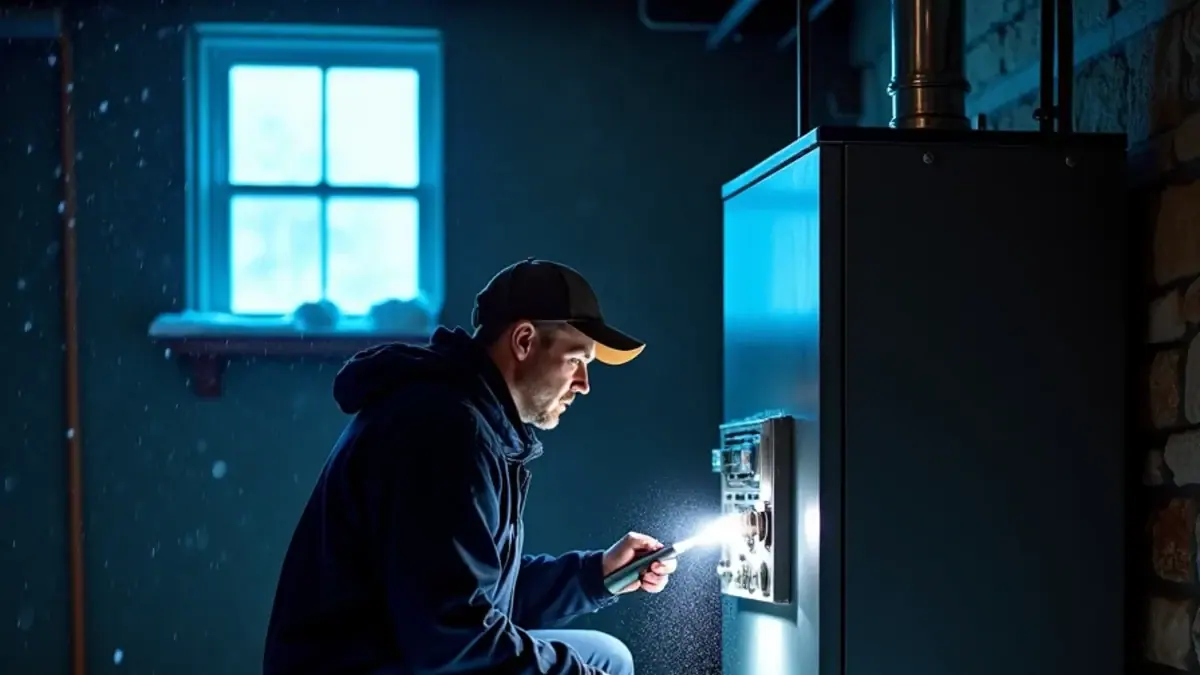
A good HVAC maintenance schedule in Westchester follows the seasons: service the cooling side in spring before the first humid week, service the heating side in fall before the first cold snap, and check your filter every month in between. That rhythm catches most problems while they are still cheap and keeps you off the emergency list when everyone else is calling. Below is the calendar we recommend, what a professional visit should include, and what you can handle yourself.
Why Timing Matters in Westchester
Our climate swings hard. Summer brings sticky stretches in the 90s, and winter can sit below freezing for weeks. The first hot Saturday in June and the first cold night in October are when phones ring nonstop, because equipment that sat idle for months gets asked to run full tilt. Scheduling service in March through May and September through early November puts your system ahead of that rush, with time to order parts if something turns up.
Spring: Getting the Cooling Side Ready
Central air and heat pumps need attention before the season, not after the first breakdown. A thorough spring visit includes:
- Cleaning the outdoor condenser coil and clearing leaves and cottonwood fluff from the fins
- Checking capacitors and contactors, the parts that most often fail on the first hot day
- Measuring refrigerant performance through superheat or subcooling rather than simply topping off
- Inspecting the indoor evaporator coil and flushing the condensate drain and trap
- Verifying airflow and static pressure, and confirming thermostat operation
Note that we service central systems only. We do not work on window units, wall units or PTAC units.
Heat Pump Owners: Two Visits, Not One
A heat pump runs in both seasons, so it wears in both. The spring visit focuses on cooling performance, while a fall visit should confirm the reversing valve shifts cleanly, the defrost control works and any backup heat strips or dual-fuel furnace fire when called. Outdoor units also need clearance from snow drifts and roof drip lines through winter, since a unit buried in ice cannot defrost properly. Homes that recently switched from oil to a heat pump often skip the fall check because nothing is burning, but that is exactly when defrost problems show up.
Fall: Preparing the Heating System
What happens in fall depends on what heats your home.
Forced-Air Systems: Our Two-Part Maintenance
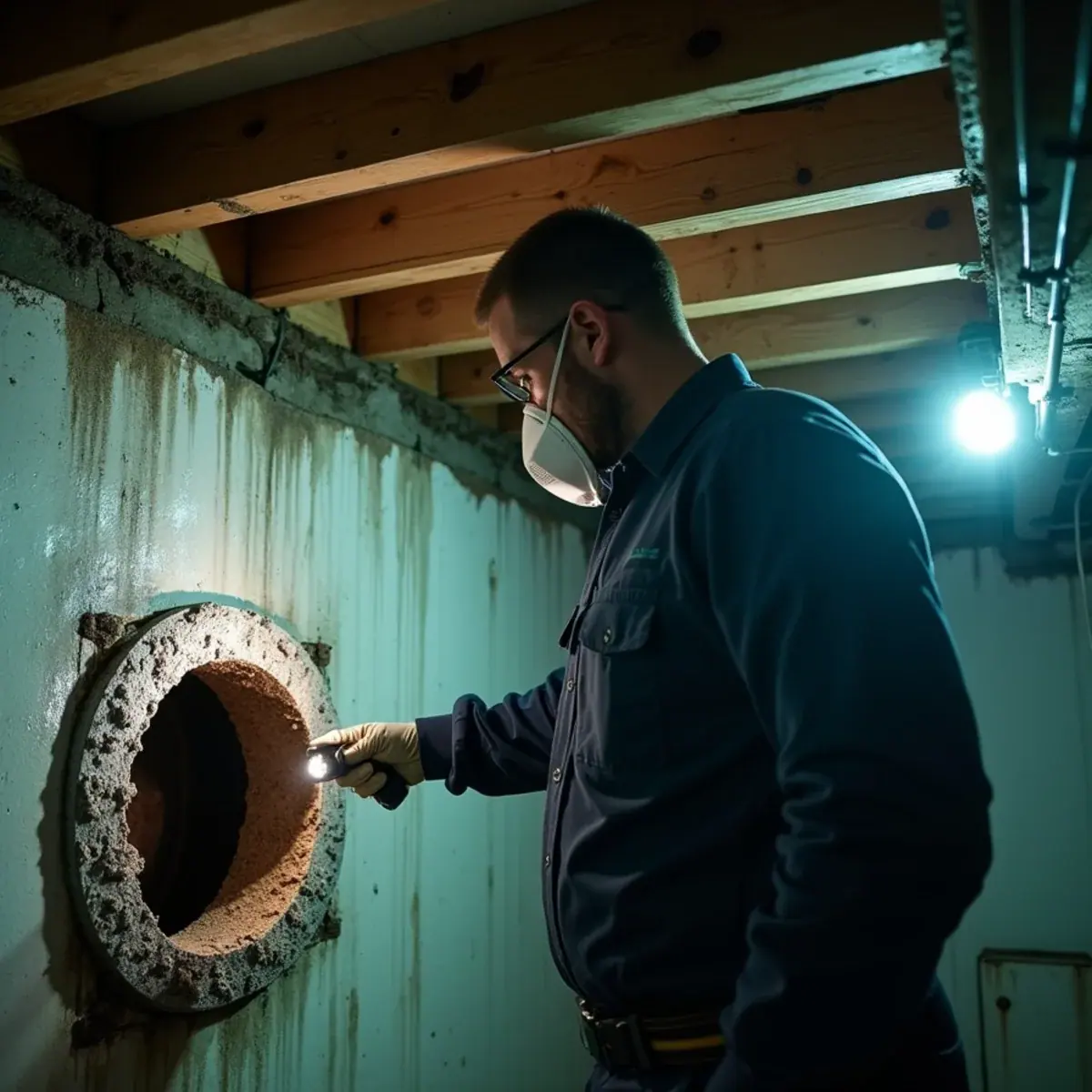
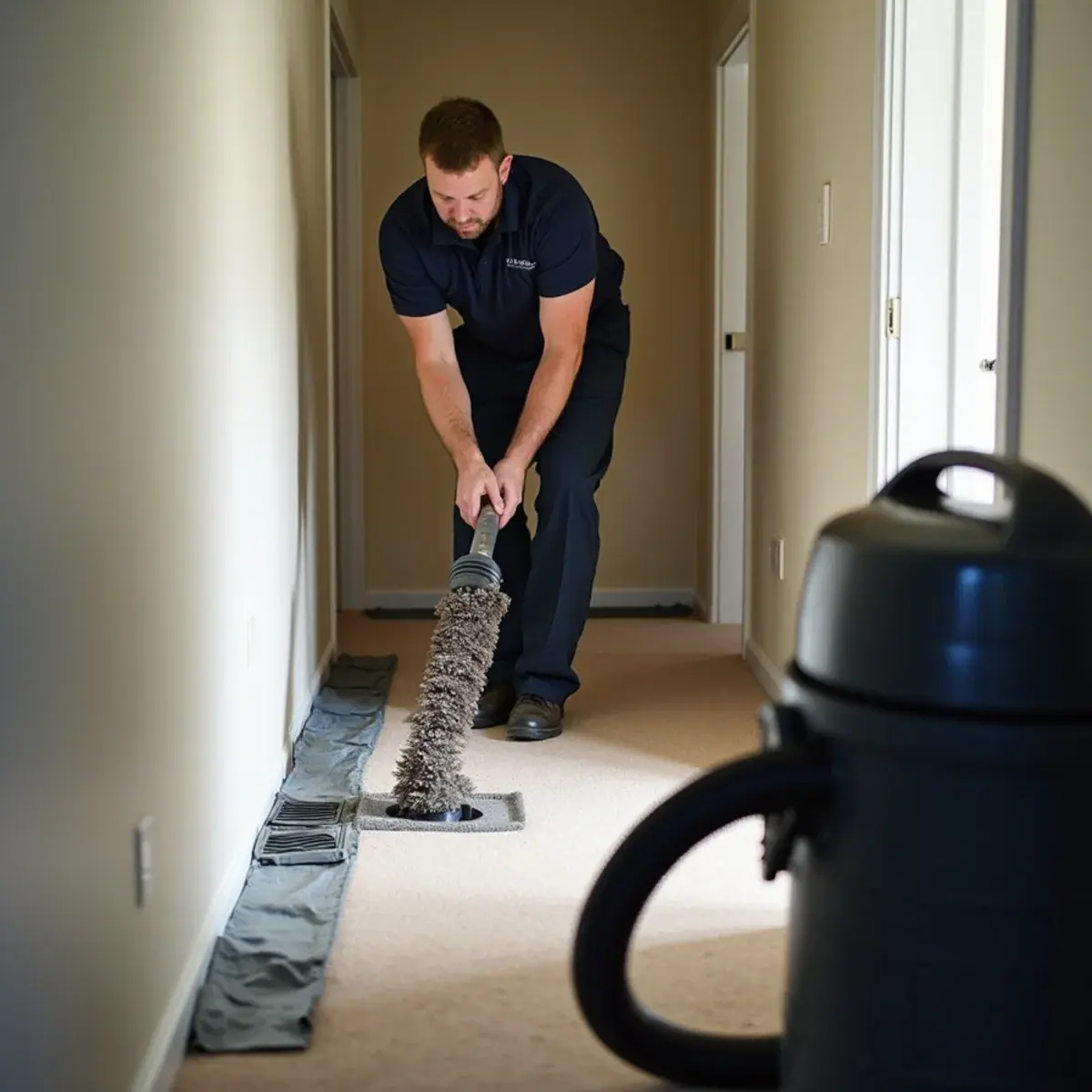
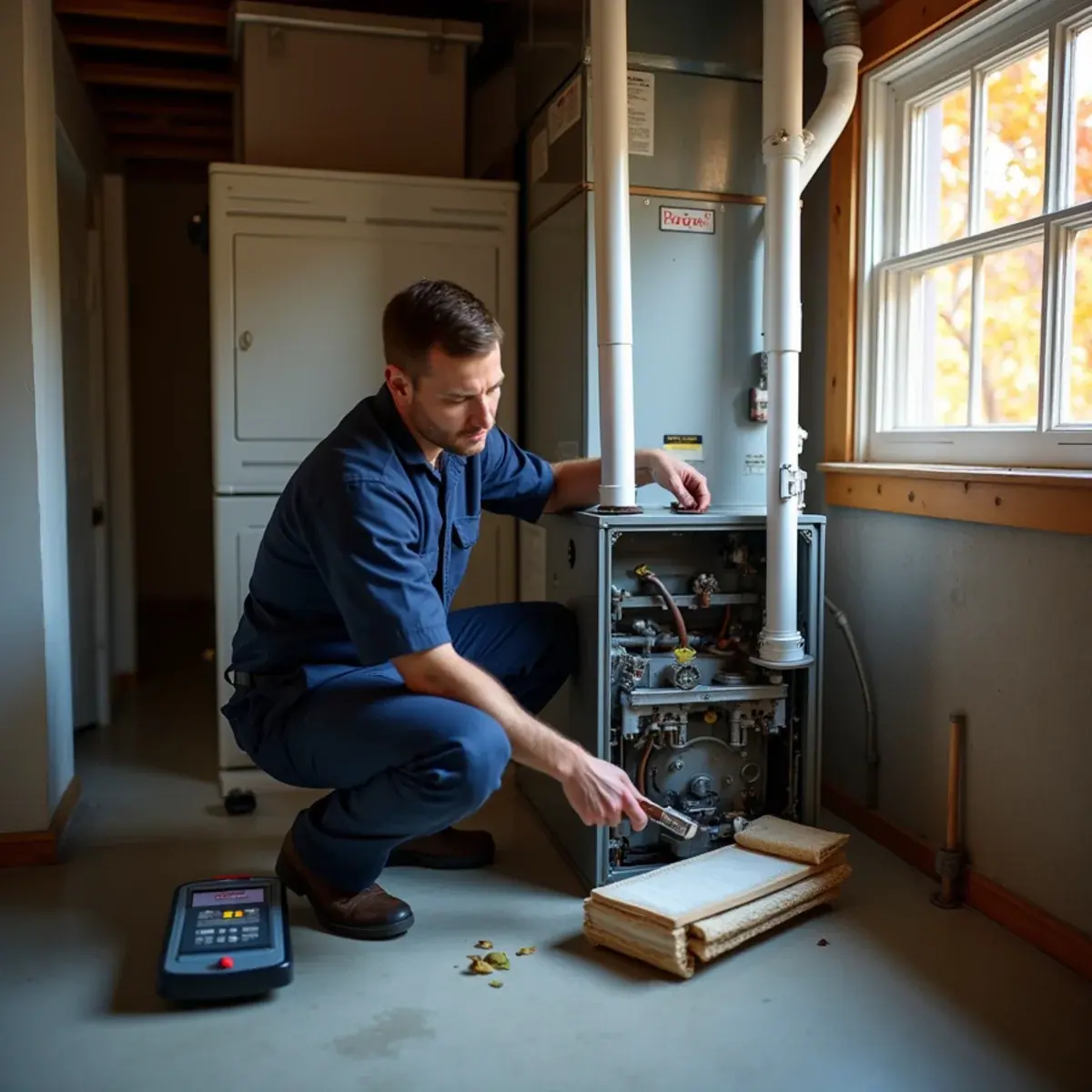
On central air and furnace systems we perform a two-part service. First, we pull out and clean the burners, then inspect the flame sensor, igniter, heat exchanger and venting, and run a combustion and CO check. Second, we treat the return side: mold remediation and sanitizing of the return ducts, where damp basement air and summer condensation encourage growth. Every product we use is environmentally safe, non-toxic and non-abrasive, from Nu-Calgon’s line. Read more on our HVAC maintenance plans page.
Hot-Water and Steam Boilers
Boilers get their burners cleaned, then we drain and purge the entire system zone by zone. That removes trapped air that causes cold radiators and gurgling pipes, and it corrects over-pressurizing that can make a relief valve drip. On steam systems we also check the low-water cutoff, pressuretrol and main vents. Our guide to bleeding a hot-water boiler zone by zone explains what a thorough purge looks like, and our boiler service page covers the rest.
Oil Burners
Oil heat needs full preventive burner maintenance every year: new nozzle and oil filter, electrode adjustment, cleaning of the combustion chamber and flue passages, and a combustion analysis to set the air-to-fuel ratio. Skipping it leads to soot buildup, rising fuel use and lockouts. Details are on our oil burner service page.
Homeowner Checklist by Month
Between professional visits, a few minutes a month keeps things running well.
- January–February: Check the filter. Keep snow clear of exhaust and intake pipes on high-efficiency furnaces and boilers, and keep the oil tank fill and vent reachable.
- March: Check the filter. Book spring cooling service before the calendar fills.
- April–May: Clear debris around the outdoor unit and leave two feet of open space. Test cooling on a mild day so problems surface early.
- June–August: Check the filter monthly, since summer runtime loads filters quickly. Watch the condensate line and pan for water, especially in basements and attics.
- September: Book fall heating service. Order oil if your tank is low.
- October: Test CO and smoke alarms. Run the heat on a cool evening to catch issues before a real cold spell.
- November–December: Check the filter. Glance at the boiler pressure gauge; hot-water systems usually sit around 12–15 psi cold.
Filter change intervals vary with filter thickness, pets and construction dust. Checking monthly and replacing when it looks gray is more reliable than following a fixed calendar.
What If You Missed a Season?
Skipping one visit rarely causes an immediate breakdown, but the effects stack up: dirty coils, a weak capacitor, a clogged nozzle. If your system has gone more than a year without service, book a visit now rather than waiting for the ideal month. For homes around Valhalla, where wooded lots near the Kensico Reservoir mean long heating seasons and plenty of leaf litter, fall service is the one we would never skip.
What Does a Spring or Fall Tune-Up Cost in Westchester?
Our planning range for a single-system tune-up is $85–$225. These are planning ranges, not quotes. Where a visit lands depends on the equipment and how long it has gone without service.
- A gas furnace or central AC serviced every year tends to be the quicker visit.
- An oil burner takes longer: nozzle, filter, electrodes, chamber cleaning and a combustion test.
- A multi-zone boiler adds time because every zone is drained and purged in turn.
- Two systems, such as a basement furnace and an attic air handler, are two tune-ups even when they share one appointment.
Parts turned up during the visit, like a weak capacitor or a cracked igniter, are a separate repair, explained before any work starts. Our HVAC maintenance page lists what each visit covers.
From the service van: the seasonal steps Westchester homeowners forget
Most houses we visit have one system everybody remembers and one nobody does. A colonial or split-level here often has a furnace or boiler in the basement and a separate air handler in the attic cooling the bedrooms. The basement unit gets its fall service; the attic unit gets ignored until its condensate pan overflows through a bedroom ceiling in July. Put both on the calendar, and ask whether the attic unit has a secondary pan with a float switch that shuts the system off before water reaches the drywall.
Upflow furnaces with the AC coil sitting directly on top deserve a closer look every fall. A summer of coil condensation can drip or sweat into the furnace cabinet, and it’s common to find rust flakes on the burners and scale on the heat exchanger of systems that looked fine from the outside. That’s one reason our fall visit pulls the burners instead of just vacuuming around them.
Whole-house humidifiers are the other chore that slips. On a bypass humidifier, like the Aprilaire units in our job files, the water supply should be shut off and the bypass damper closed for summer, then the damper opened and a fresh water panel installed in fall. A panel left in all year crusts with minerals and can grow slime of its own, right next to the return ductwork we sanitize.
- Attic air handlers: test the float switch and check the secondary pan each spring
- Upflow furnaces under an AC coil: look for rust on burners and the heat exchanger each fall
- Bypass humidifiers: water off and damper closed in spring; new panel and damper open in fall
- Condensate pumps: pour water into the reservoir each season and confirm the pump kicks on
Building a Routine That Sticks
The simplest approach is to tie service to the seasons and let a contractor remind you. Across Westchester County, our techs, each with at least 15 years in the field, explain what they find before starting any work. If you would like to set up spring and fall visits, get in touch and we will put you on the calendar.
Frequently asked questions
How often should HVAC systems be serviced in Westchester?
Twice a year is the standard for homes with both heating and cooling: a cooling-side visit in spring and a heating-side visit in fall. Boiler-only or oil-heated homes still need an annual heating service before winter. Filters should be checked monthly and replaced whenever they look dirty, which in summer or in homes with pets can be every month or two.
What does two-part maintenance include?
Our two-part maintenance on central air and furnace systems covers two areas. The first is pulling out and cleaning the burners, plus checking the flame sensor, heat exchanger and venting. The second is mold remediation and sanitizing of the return ducts using environmentally safe, non-toxic Nu-Calgon products. Together they address both combustion safety and indoor air quality.
Is fall too late to schedule heating maintenance?
September and October are ideal, and early November still works. The goal is to have the system checked before sustained cold arrives. If you are already into winter and the system has not been serviced, book a visit anyway. A mid-season tune-up is far better than waiting for a lockout on the coldest night of the year.
Can I get heating and cooling maintenance done in one yearly visit?
You can, but one side gets shortchanged. On a cold day a technician can clean the condenser and flush the drain, but refrigerant charge can’t be read accurately, so a weak air conditioner may go unconfirmed until June. If you only book once, pick the season of the system you depend on most, usually heating here, and call for the other side at the first sign of trouble.
Should thermostat batteries be part of my maintenance routine?
Yes, if your thermostat uses them. Swap the batteries every fall when you book heating service, even if the screen still looks fine. A weak battery can blank the display or drop the call for heat on a cold night, and it’s one of the more frustrating no-heat calls to pay for. Wi-Fi thermostats wired to the system usually have no batteries, but check the app for firmware and schedule changes each season.