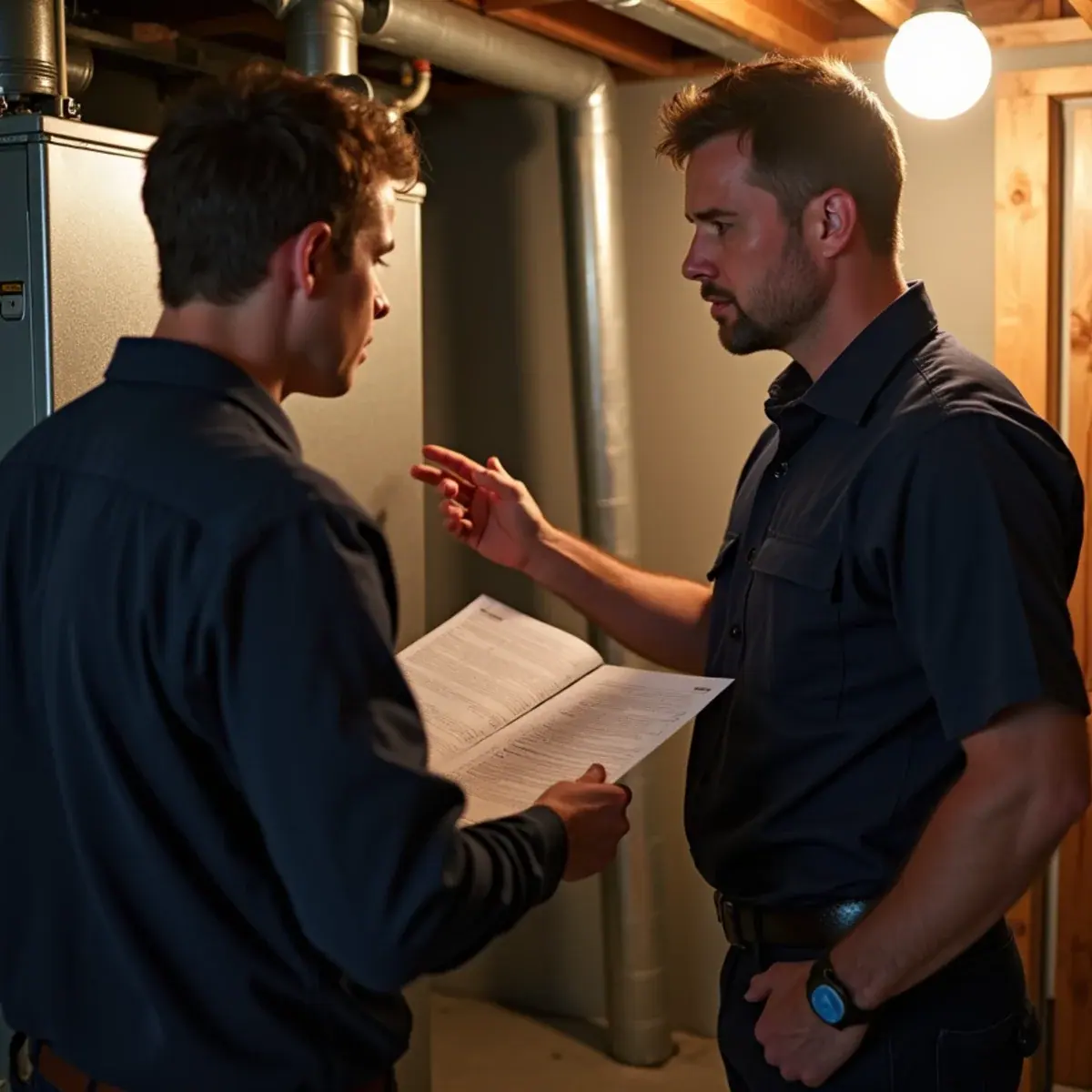
Core Service
Bleeding a Hot-Water Boiler Zone by Zone: What Your Tech Should Do
By Bella Family Air Solutions 4 min read
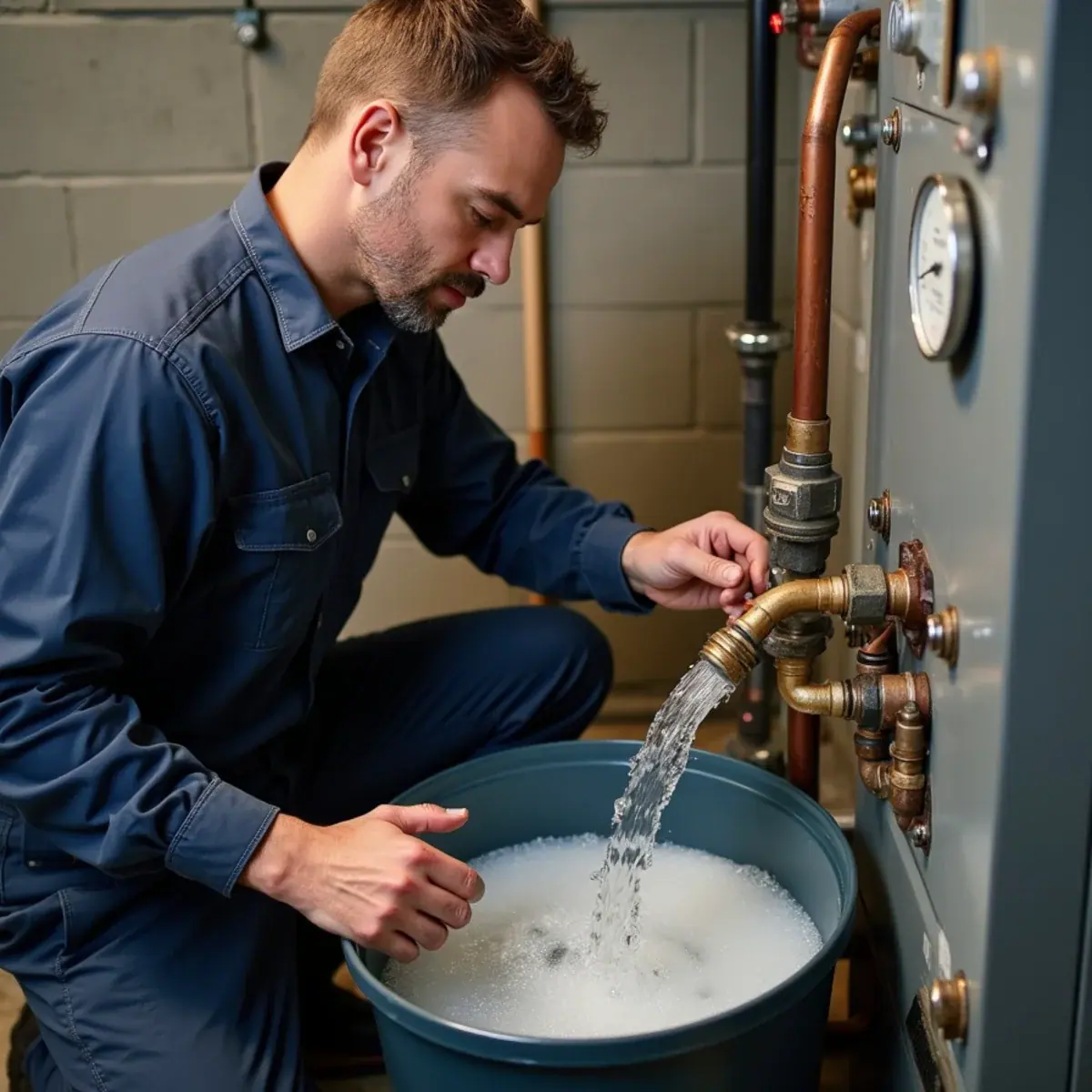
Boiler zone bleeding is the process of pushing trapped air out of each heating loop in a hot-water system so water can circulate freely. When it’s done right, gurgling pipes go quiet and cold baseboards warm up. When it’s rushed, air stays trapped, pressure creeps up and the relief valve starts dripping. Here is what a thorough technician should do, step by step, and what you can reasonably check yourself.
Why Air Gets Into a Closed System
A hot-water heating system is a closed loop, but air still finds its way in. Fresh fill water carries dissolved oxygen that comes out of solution as the water heats. Repairs that open the system, like a new circulator or a replaced baseboard section, let air in. Small leaks at valves or automatic vents can pull air in as the system cools.
Air collects at high points and blocks flow. Common signs include:
- Gurgling or rushing-water sounds in baseboard or pipes
- One zone or one room staying cold while others heat
- Radiators warm at the bottom but cool at the top
- The circulator running but a zone never getting hot
- Pressure on the boiler gauge swinging widely between cold and hot
The Parts Involved
Purge valves and hose bibs
A properly piped system has a purge valve, usually a ball valve with a hose connection, on the return of each zone, paired with a shutoff just upstream. This lets a tech isolate one zone and force water through it at mains pressure, pushing air out the hose.
Fill valve and pressure reducing valve
The fill valve, also called the pressure reducing valve or PRV, feeds makeup water and limits system pressure. For a typical two-story house, around 12 psi cold is a common setting: enough to lift water to the top floor with a few pounds to spare. Taller houses need more. The relief valve on most residential boilers is rated at 30 psi.
Expansion tank
Water expands as it heats. The expansion tank absorbs that growth. If the tank’s internal bladder fails or its air charge is wrong, pressure spikes as the boiler heats, often all the way to the relief valve.
Air separator and automatic vents
An air separator near the boiler outlet pulls microbubbles out of circulating water and releases them through an automatic vent on top. Auto vents also sit at high points. They help keep a system air-free between service visits, but they can stick or leak with age.
What a Proper Zone-by-Zone Purge Looks Like
- Shut off the burner and let water cool to a safe temperature. Purging a hot system risks scalding and can shock the boiler with cold water.
- Close the isolation valve on the zone’s return, above the purge valve, and close the other zones’ valves or zone valves.
- Attach a hose to the zone’s purge valve and run it to a drain or bucket.
- Open the fill valve’s fast-fill lever or bypass so city water pushes through the zone.
- Open the purge valve and let water run until it flows in a steady, bubble-free stream with no spurting.
- Close the purge valve, reopen the zone, and repeat for each remaining zone.
- Restore the fill valve to automatic and let the system settle at the correct cold pressure.
- Fire the boiler and watch pressure and temperature as it heats. Pressure should rise modestly, not climb toward the relief valve setting.
Checking the Expansion Tank
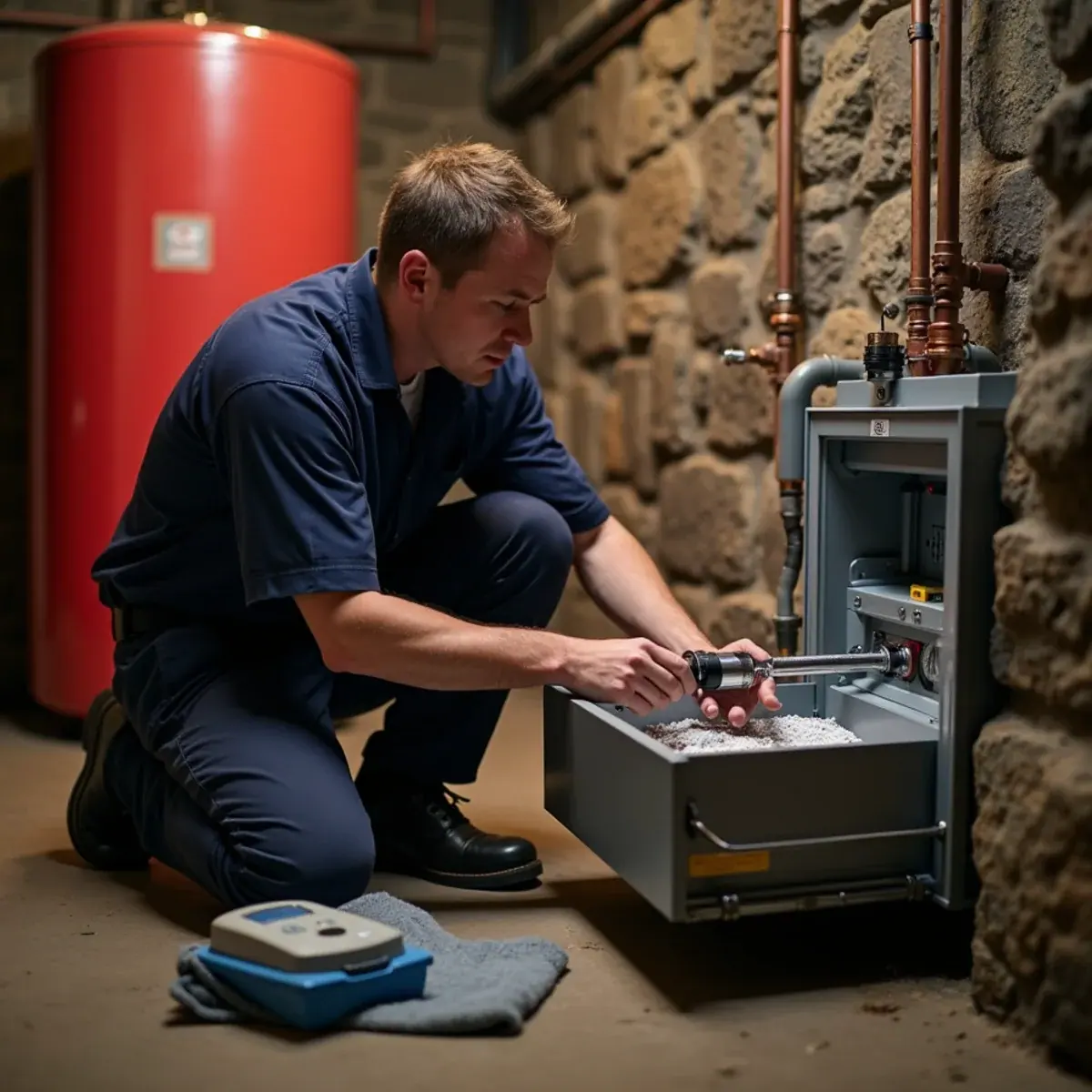
A tech should test the expansion tank as part of the visit. With the tank isolated or the system drained to zero pressure, the air charge on the tank’s Schrader valve should match the system’s cold fill pressure. If water comes out of that valve, the bladder has failed and the tank needs replacing. Older steel compression tanks without a bladder can waterlog and need draining.
Correcting Over-Pressurizing
Pressure that climbs toward 30 psi usually points to one of three things: a failed expansion tank, a fill valve that lets too much water through, or, less often, a leaking tankless domestic coil feeding city pressure into the boiler. Bleeding air without fixing the cause just resets the problem. A good tech identifies which one it is.
How We Handle It
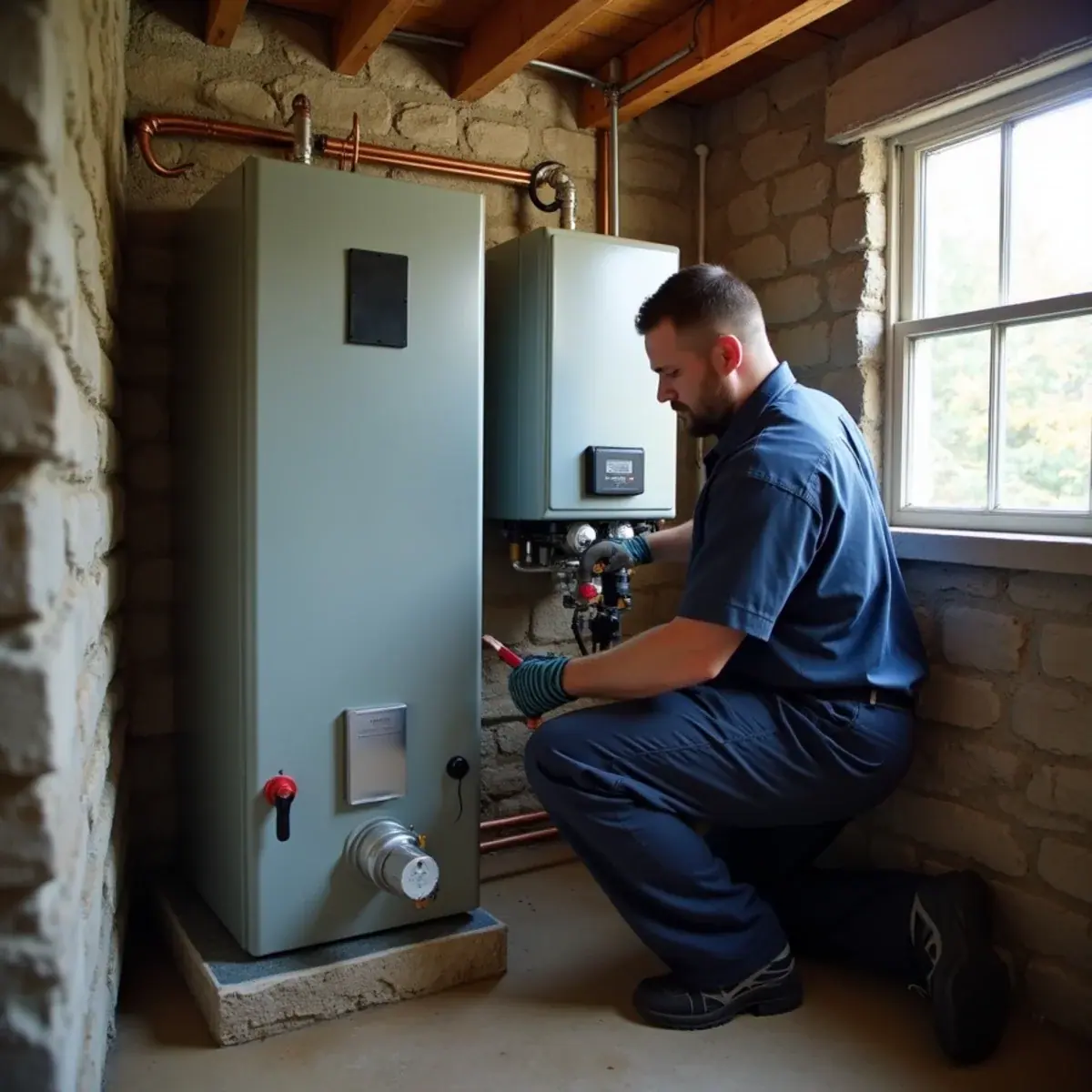
On a hot-water boiler visit, our technicians clean the burners and then drain and purge the entire system zone by zone to remove air and correct over-pressurizing. We check fill pressure against the height of the house, test the expansion tank, and look at the air separator and auto vents. That work is part of our boiler repair and service, and it pairs well with annual HVAC maintenance before the heating season. If a zone quits entirely on a cold night, our no-heat repair team can help.
In Larchmont, where many 1900s–1920s shingle and Tudor homes use hot-water radiators, systems often have been modified over decades. Some zones were added without purge valves, and some old radiators hide high points that trap air. Careful purging, and sometimes adding a purge station, makes a real difference in those houses.
Notes from the boiler room: what separates a real purge from a quick one
The mistake we see most often after someone else’s visit is a purge done with zone valves still closed. Many motorized zone valves have a manual lever that has to be set open, or the thermostat for that zone has to call, before water can move through the loop. Without that, the hose runs clear because water is only circling the boiler, and the upstairs baseboard stays full of air.
We also watch the gauge the whole time the fast-fill is open. With the purge valve cracked only partway, city pressure can push the system well above normal in seconds and lift the relief valve. Top-floor zones and long loops get purged longer, since air settles at the highest runs and in radiators that sit above the piping.
After a purge, some air still comes out of solution as the water heats for the first few cycles. That is normal, and a working air separator and auto vents should handle it. If the gurgling returns within days, the purge was not the problem; a leak, a failed vent or a waterlogged tank is. Adding a proper purge station with shutoffs to a zone that never had one is extra work today, but it turns every future bleed into a short, controlled job instead of an afternoon of guesswork.
- Glycol (antifreeze) systems should not be purged to a floor drain; the fluid is recovered and the mix checked afterward.
- Check the pressure gauge again after the boiler has run a full heating cycle, not just right after the purge.
- Any radiator bleeders opened afterward should be closed snugly and checked for weeping.
Keep Your Heat Quiet and Even
Air in a hot-water system is common and fixable. What matters is purging each zone properly, setting the right fill pressure and confirming the expansion tank is doing its job. If your baseboards gurgle or your pressure gauge swings, schedule a visit before the coldest weeks arrive and let an experienced tech sort it out.
Frequently asked questions
What pressure should my hot-water boiler be at?
Around 12 psi when cold is a common setting for a typical two-story home. It needs to be high enough to push water to the top floor with a small margin. When hot, pressure usually rises a few pounds. If it climbs toward 30 psi or the relief valve drips, the expansion tank or fill valve likely needs attention.
Can I bleed my own baseboard or radiators?
Homeowners can often open small bleeder valves on radiators with a radiator key while the system is running at normal pressure. A full zone-by-zone purge using the fill valve and purge valves is more involved and is best left to a technician, especially if you are unsure which valves to open or the system is hot.
Why does air keep coming back after bleeding?
Recurring air usually has a cause: a failed automatic vent, a small leak that draws air in when the system cools, a missing or undersized air separator, or frequent fresh-water additions due to a leak or relief valve discharge. Finding and fixing that source is what stops the cycle.
How is bleeding different if my boiler system has antifreeze in it?
Systems with glycol, common in vacation homes, garages or zones that run through unheated spaces, cannot simply be flushed with city water through a hose. That dilutes the antifreeze and sends it down the drain. The technician purges with a pump and a matching glycol mix, recovers what comes out and tests the concentration so the protection level is still right.
Should the system be purged after a circulator, zone valve or baseboard repair?
Yes. Any repair that drains or opens part of the system lets air in, so the affected zone should be purged and the cold fill pressure rechecked before the job is called finished. Ask the technician to run the zone through a full heat cycle before leaving, and to confirm the pressure settles where it should. That is part of proper boiler repair.