Core Service
Choosing an HVAC Contractor in White Plains, NY: 10 Questions to Ask
By Bella Family Air Solutions 4 min read
Choosing an HVAC contractor in White Plains NY is easier when you know what to ask. Heating and cooling work involves gas, refrigerant, electricity and combustion, and the difference between a careful installer and a careless one can show up years later in comfort, efficiency and safety. These ten questions will help you compare companies on substance rather than on who called back first.
Credentials and Accountability
1. Can you show proof of license and insurance?

Ask for a current certificate of insurance showing general liability and workers’ compensation. Licensing requirements vary by municipality and trade in Westchester, so ask which licenses apply to your job, especially for gas piping. A contractor who hesitates to provide documents is telling you something. Make sure the certificate names the company you are actually signing with, not a parent company or a subcontractor, and that the policy dates cover your project.
2. Are your technicians EPA Section 608 certified?
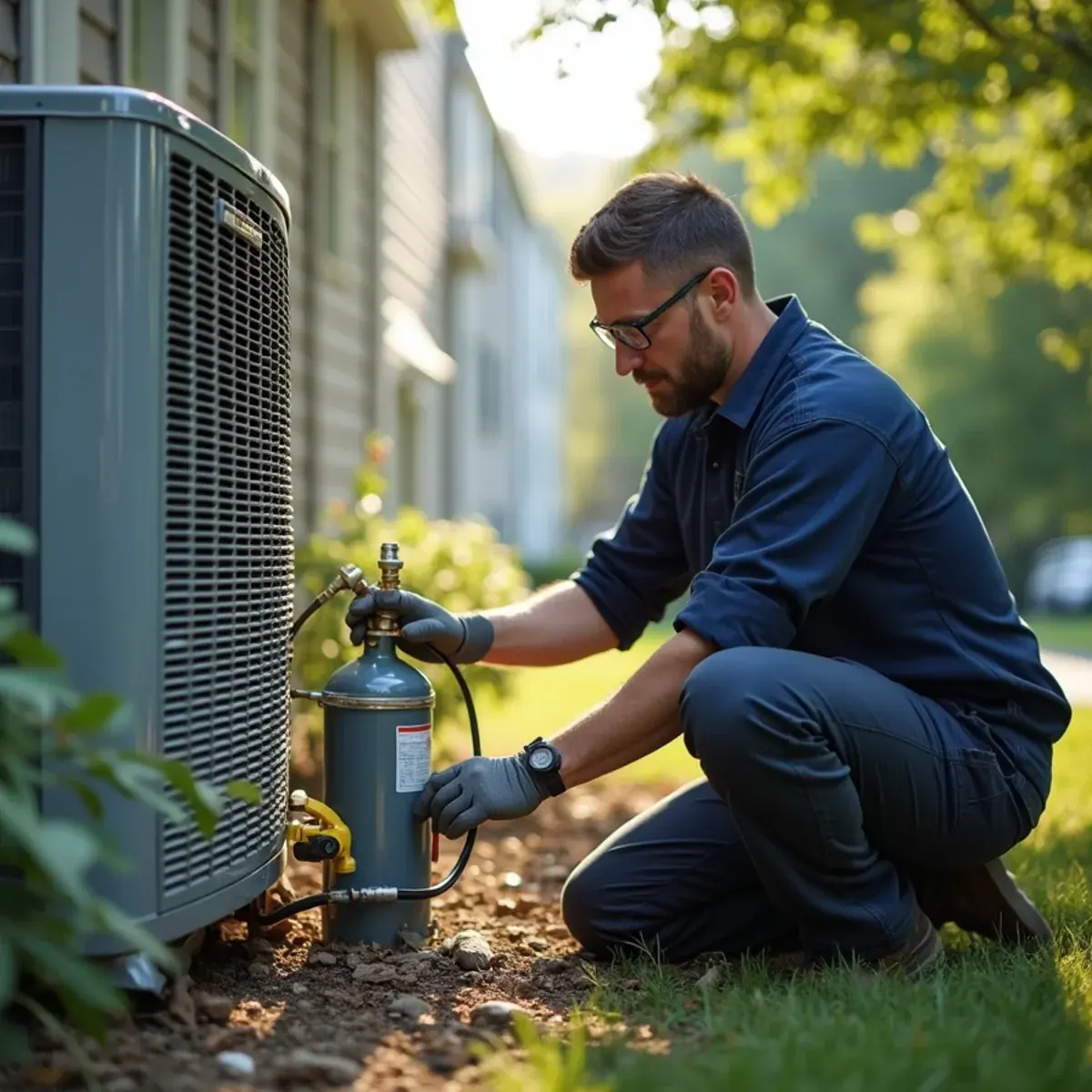
Federal law requires EPA 608 certification for anyone who handles refrigerant. For air conditioning, heat pump or refrigeration work, this is non-negotiable. Our team holds EPA Universal certification, which covers all equipment types.
3. Who will actually do the work?

Some companies sell the job and hand it to subcontractors. Ask whether the installers are employees, how experienced they are, and who supervises the job. At Bella Family, our service manager only hires techs with at least 15 years of work history, so the person in your basement has seen a lot of equipment.
Design and Pricing
4. Will you perform a Manual J load calculation?
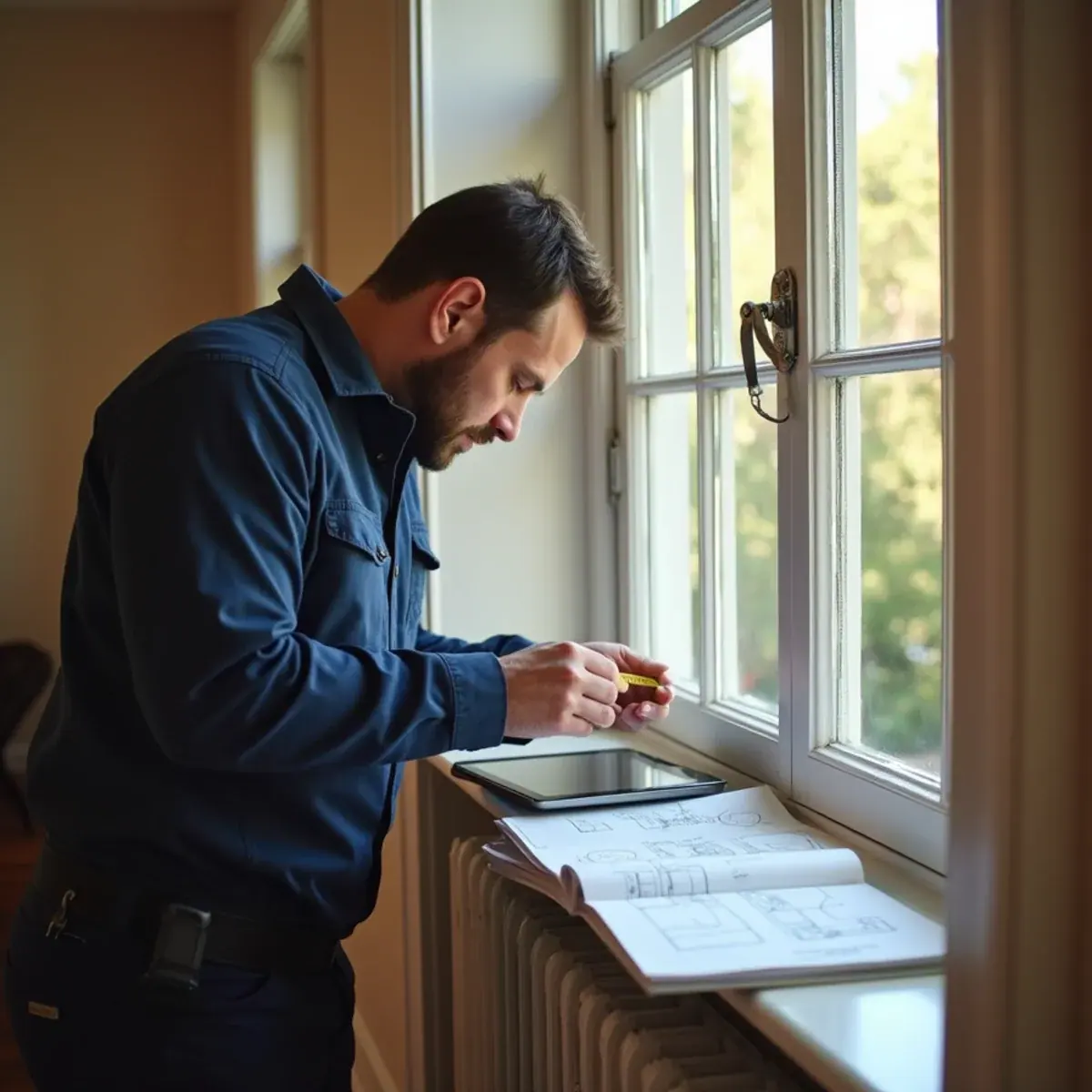
Replacing a furnace or air conditioner based on the old unit’s size copies any past mistakes. An ACCA Manual J calculation looks at insulation, windows, orientation and air leakage to size equipment correctly. Oversized systems short-cycle; undersized ones struggle on design days. Boilers should be sized by heat loss for hot water or connected radiation for steam. If a salesperson quotes a system size after a quick glance at the old unit’s label, ask how they arrived at that number.
5. Will I get a written, line-item quote?

A good estimate separates equipment, labor, materials, permits, removal and any electrical or venting work. It lists model numbers and states what is excluded. Line items let you compare bids fairly and prevent “that wasn’t included” surprises.
6. What are the payment milestones?
Reasonable deposits for ordering equipment are normal on installations. Be cautious of anyone asking for full payment before work starts. A sensible schedule ties payments to milestones such as equipment delivery, rough-in and final inspection. Keep the final payment until the system is running, the inspection has passed and you have been shown how to operate the new controls.
Doing the Job Right
7. Will you pull the permits?
Most equipment replacements in Westchester municipalities require permits and inspections. Permits protect you: an inspector checks venting, gas connections and combustion air. A contractor who suggests skipping the permit to save you money is also skipping that independent check. Unpermitted work can also cause problems when you sell the house.
8. What warranty do you offer, and how do callbacks work?
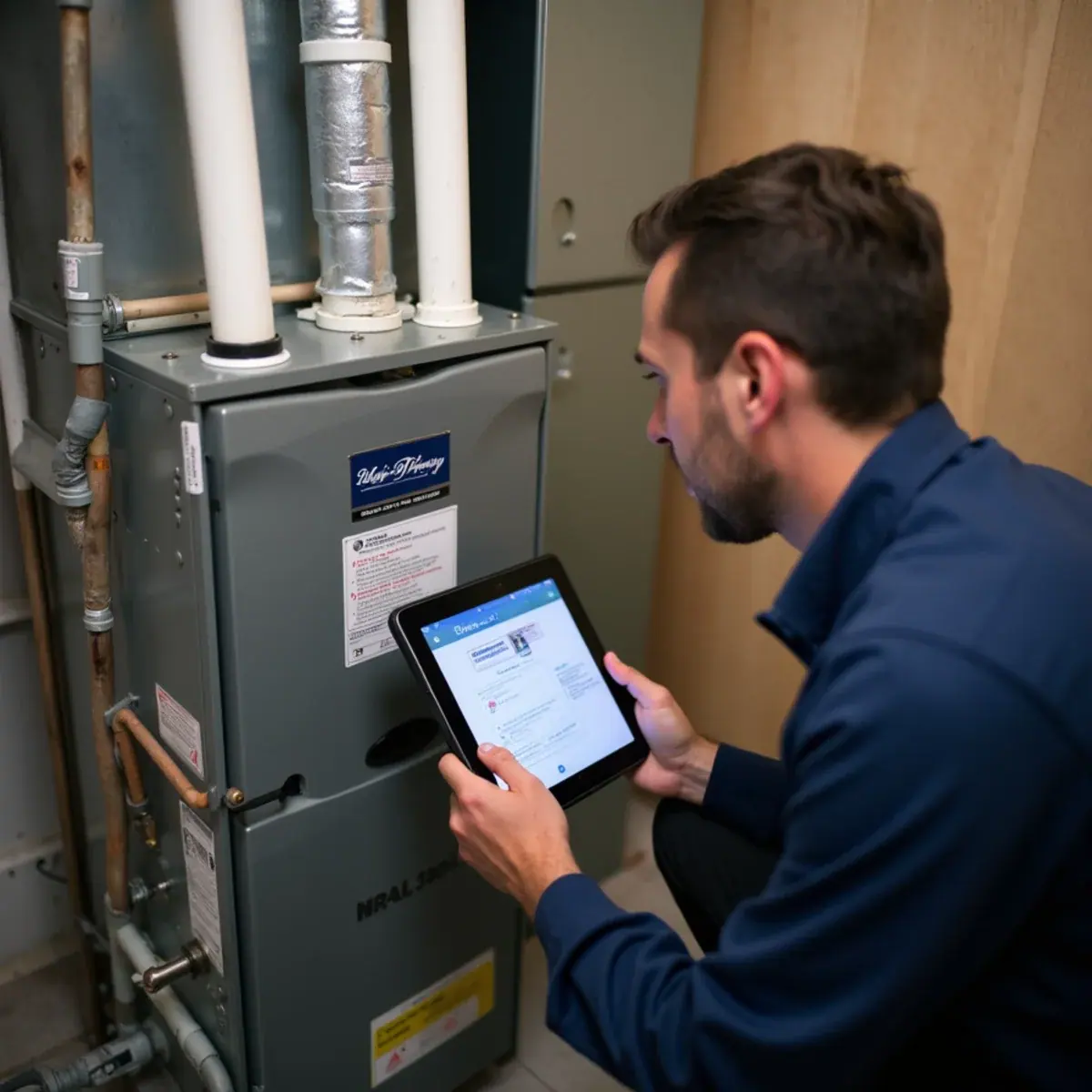
There are two warranties: the manufacturer’s parts warranty, which often requires registration, and the contractor’s labor warranty. Ask how long labor is covered and how quickly they respond if something isn’t right after installation. Find out whether the contractor registers the equipment for you, and whether skipping annual maintenance could void any coverage. Get the answers in writing along with the contract.
Service After the Sale
9. Do you offer emergency service?

Heat failures don’t wait for business hours. Ask whether the company offers after-hours help and whether a person answers the phone. We provide 24-hour emergency HVAC repair, and customers often mention that a real person picked up when they called.
10. Can you provide references?

Ask for recent customers with similar systems, and read online reviews for patterns rather than single comments. Look for signs that techs explain problems clearly, give options and finish the job properly. How a company responds to a negative review can tell you as much as the positive ones. Check the Better Business Bureau as well; Bella Family holds an A+ BBB rating.
How Local Experience Helps
Westchester’s housing stock rewards contractors who know it. In Scarsdale, many 1920s–30s Tudors and colonials still run steam radiators and oil boilers. In Greenburgh, neighborhoods of 1950s–60s ranches and split-levels are on their second or third furnace. A contractor familiar with both will ask better questions and quote more accurately.
Bella Family Air Solutions has been family-owned since 1976 and works from the Fairview section of White Plains. Our HVAC contractor services cover heating, cooling, boilers and air quality on all makes and models. We don’t service window, wall or PTAC units, and we’ll tell you that up front. Regular HVAC maintenance is where many long customer relationships start.
How can a small repair help you judge a contractor before a big job?
The cheapest way to test a company is to hire it for something small first. A seasonal tune-up or a minor heating repair shows you how the office schedules, whether the technician arrives when promised and how clearly findings are explained. You learn more from one visit than from any sales call.
- Did the technician tell you what was checked, what was found and what was only suspected?
- Were readings, model numbers or photos written down, or did you only get a verbal summary?
- Was a recommendation for more work separated from the job you called about?
- Was the work area left as clean as it was found?
What our service manager listens for when a homeowner interviews us
The most useful question a homeowner can ask is about their own system, not about the company. Ask how the contractor would handle your specific equipment: a steam boiler in a Scarsdale Tudor, an oil burner in a North White Plains cape, or a 1990s furnace and central air in a Harrison colonial. A technician who has worked on that type of system will answer with details, like the low-water cutoff, the nozzle size or the condition of the return ducts. A vague answer tells you the job will be learned on your house.
Pay attention to what the contractor asks you. Good ones ask about rooms that are always cold, past repairs, how old the equipment is and what you want to fix. Those questions shape a better quote than a quick look at the data plate.
Be honest with yourself about the trade-off between a large company and a small one. Bigger outfits may have more trucks; smaller family shops tend to send the same few experienced technicians back to the same houses. Neither is automatically better. What matters is who shows up, how long they have been doing it and whether they can explain your options in plain language.
- Ask whether the company services the equipment it installs, or hands warranty calls to someone else.
- Ask what the contractor will not work on. We tell customers up front that we do not service window, wall or PTAC units.
- Ask how the company handles a problem that returns a week after the repair.
Making Your Decision
The right contractor answers these questions without hesitation, puts everything in writing and explains your options instead of pushing one. Take your time, compare line-item quotes and trust the company that treats your questions as reasonable. If you’d like to put our team to the test, we welcome the conversation.
Frequently asked questions
How many HVAC quotes should I get?
For a full system replacement, two or three written, line-item quotes is a sensible number. More than that can blur together. Compare equipment model numbers, sizing method, scope of work, permits and labor warranty rather than price alone. For a straightforward repair, one trusted diagnosis is usually enough, with a second opinion reserved for large or surprising recommendations.
What is a Manual J load calculation and why does it matter?
Manual J is the Air Conditioning Contractors of America method for calculating how much heating and cooling a house needs, room by room. It considers insulation, windows, orientation and air leakage. Correct sizing prevents short-cycling, humidity problems and wasted energy, and it is often required for utility heat pump incentive programs.
Is it a red flag if an HVAC contractor won’t give a price over the phone?
Not usually. A contractor can reasonably quote a diagnostic or service call fee by phone, but a repair or replacement price depends on what is found on site. Be more cautious of a firm replacement price given without seeing the house, the ductwork or the boiler room, because that number often changes once the real scope is known.
Should the company that diagnoses the problem also do the replacement?
It can, and it is often convenient, but you are not obligated. For large jobs, a second written quote from another contractor is reasonable, and the diagnosing company’s notes, readings and photos make that comparison easier. Ask for those records whichever company you choose. A confident contractor will not object to you getting another opinion.