Core Service
Tank vs. Tankless Water Heaters for Hudson Valley Homes
By Bella Family Air Solutions 4 min read
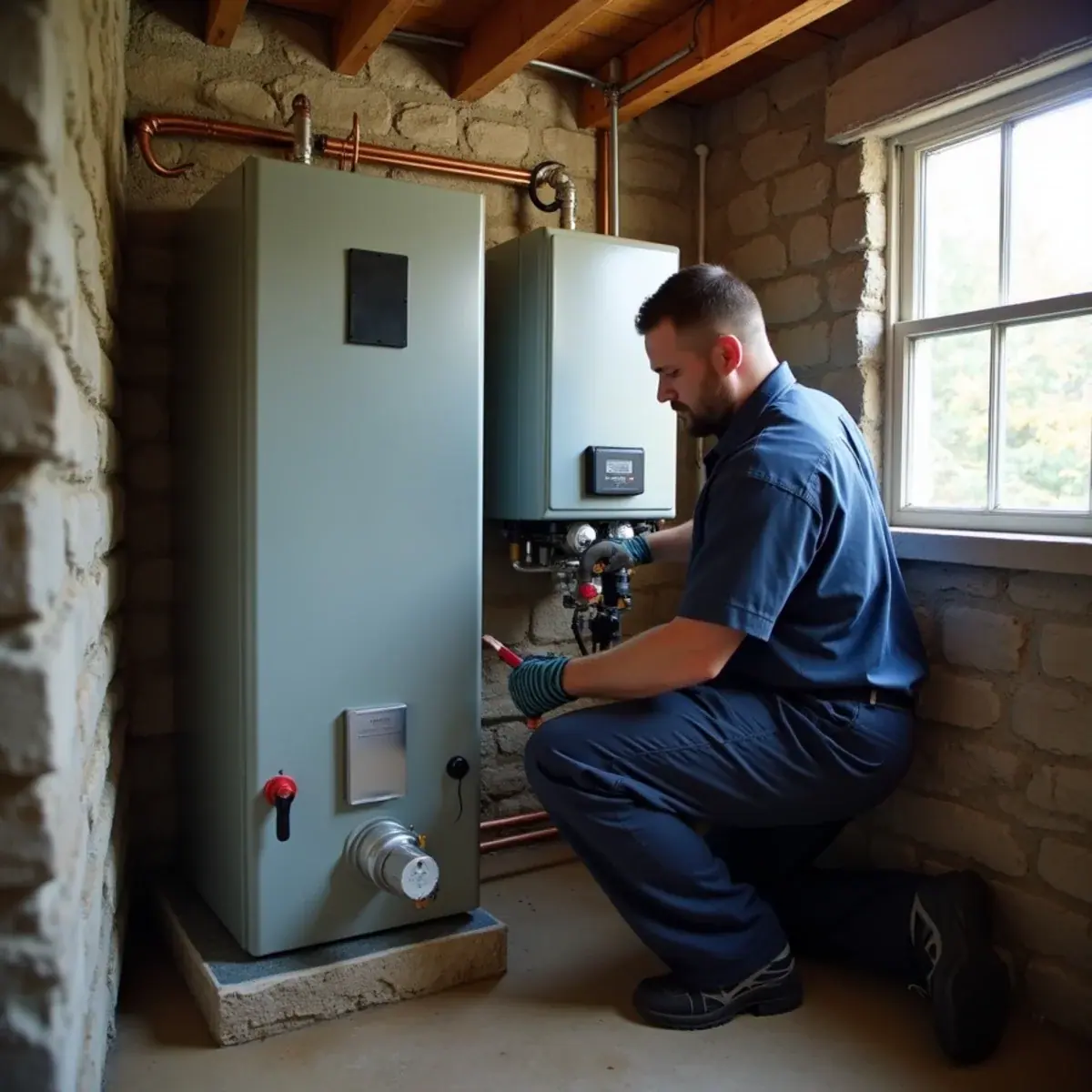
A tankless water heater in the Hudson Valley can be a great upgrade, but only when the house is set up for it. Endless hot water sounds simple; in practice, the answer depends on how cold your incoming water gets in February, whether your gas line can carry the load, how hard your water is, and whether your boiler could already be making hot water for you. Here is how the options compare in real local homes.
How Each Type Works
- Tank (storage) water heater: keeps 40 to 80 gallons hot around the clock using a gas burner or electric elements. Simple, affordable, and easy to replace, but it loses heat while it waits.
- Tankless (on-demand): a high-output burner fires only when a tap opens, heating water as it passes through a heat exchanger. No standby loss and a small wall footprint.
- Indirect-fired tank: an insulated tank heated by a coil connected to your boiler. Very common in Westchester homes with hot-water or oil boilers.
- Heat pump water heater: a tank with a small compressor on top that pulls heat from the surrounding air. Very efficient electric option.
Winter Is the Real Test for Tankless
Tankless capacity is limited by temperature rise. In summer, incoming water might be in the 50s or 60s. In mid-winter it can drop close to 40°F. Raising water from 40°F to 120°F is an 80-degree lift, and even a large residential unit around 199,000 BTU will only deliver roughly four to five gallons per minute at that rise.
That is enough for a shower and a kitchen sink at the same time, but two rain-head showers plus a washing machine can outrun it. A unit that seemed generous in July may feel tight in January. We size tankless heaters for winter water temperatures and your household’s actual peak use, not the brochure’s best case.
Gas Line Sizing and Venting
Your gas pipe may not be big enough
A typical 40-gallon gas tank heater uses around 40,000 BTU per hour. A whole-house tankless unit can need close to five times that. Many older homes have a half-inch branch line that simply cannot deliver that much gas over the run from the meter, especially when the furnace or boiler and range are firing too. Undersized gas piping leads to fluctuating temperatures and error codes. Proper installation means calculating pipe size and length, and sometimes confirming meter capacity with the utility.
Venting changes too
Most tankless heaters are condensing or direct-vent appliances. They usually cannot share the old chimney with a boiler. Condensing models vent through PVC or polypropylene pipe out a side wall or roof, with required clearances from windows, doors and grade, plus a condensate drain. In a finished basement or a house tight to the property line, finding a legal vent path can shape the whole decision.
Hard Water and Descaling
Water hardness varies widely across the region. Some municipal systems deliver fairly soft water, while private wells in parts of the Hudson Valley can be quite hard. Minerals matter more in a tankless unit because the heat exchanger has narrow passages and very high heat. Scale builds fast, drops efficiency, and eventually triggers flow or overheat faults.
- Test your water before you buy. Hardness and iron both matter.
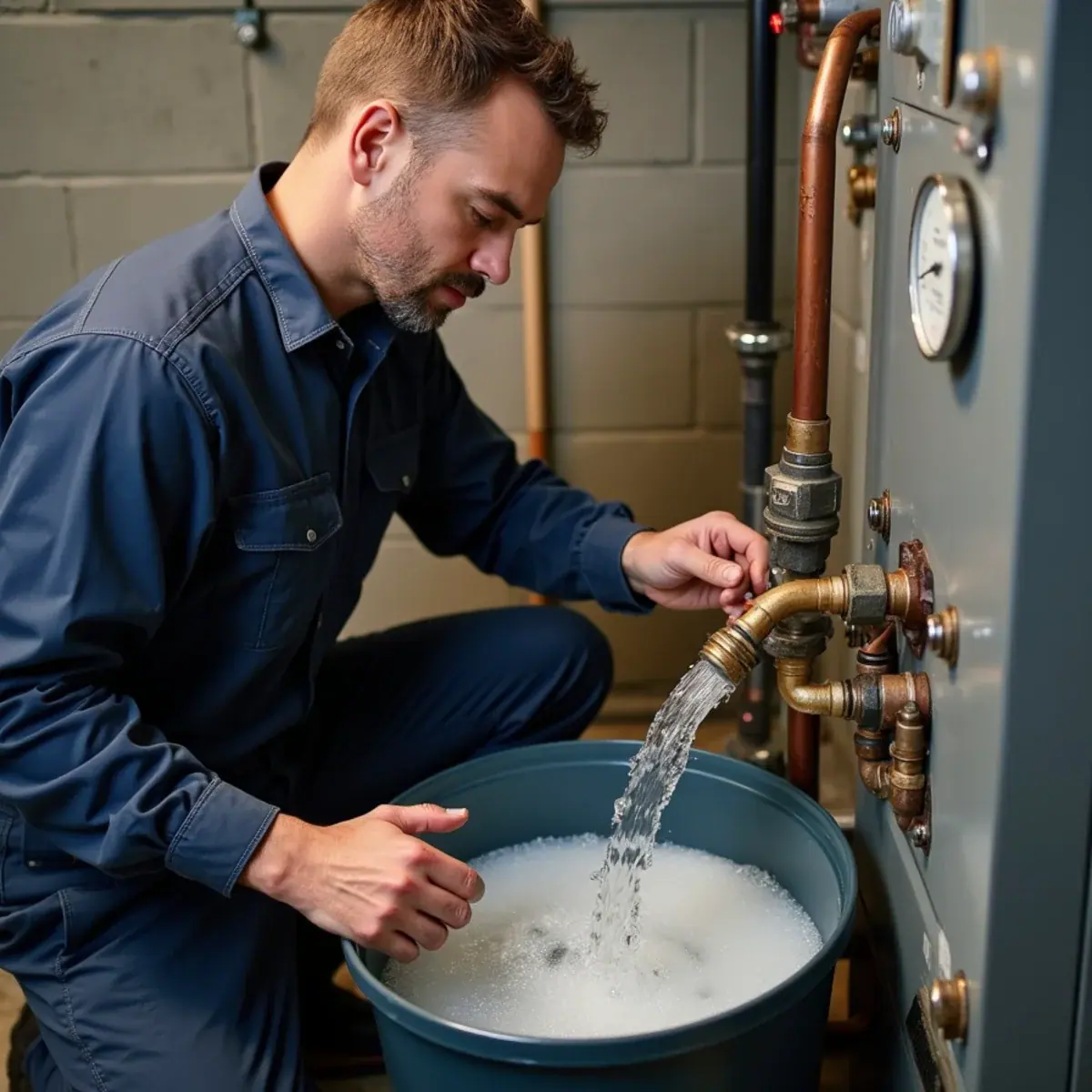
- Plan on flushing (descaling) a tankless heater at least yearly with a pump and descaling solution through the service valves. Hard water may call for more frequent service.
- Consider a scale-reduction filter or softener ahead of the unit if hardness is high.
- Tank heaters need attention too. Draining sediment from the bottom of the tank helps prevent rumbling and early failure.
Do Not Overlook the Indirect Tank
If you already heat with a modern hot-water boiler, an indirect-fired tank is often the most practical choice. The boiler does the heating, the tank stores it with very little standby loss, and there is no second burner, second vent or bigger gas line to worry about. Recovery is fast because the boiler is a large heat source. This setup is widespread in river villages like Tarrytown and Irvington, where many older homes run hydronic heat. The tradeoff is that your boiler has to fire in summer for hot water, so its condition and controls matter. Keeping that boiler healthy is part of our boiler repair and service work.
Heat Pump Water Heaters
For homes moving away from fossil fuels, a heat pump water heater can use a fraction of the electricity of a standard electric tank. ENERGY STAR certified models are widely available, and utility and state incentive programs have supported them. They do need room: usually a basement or utility space with enough air volume, a condensate drain, and tolerance for the fact that they cool and dehumidify the space around them. In a damp Hudson Valley basement, that dehumidifying effect can be a bonus.
Quick Comparison
- Best for simple replacement: tank. Same footprint, same vent, lowest upfront cost.
- Best for small spaces and moderate demand: tankless, if gas, venting and water quality work.
- Best for homes with a good boiler: indirect tank.
- Best for high efficiency on electricity: heat pump water heater, where space allows.
Which Lasts Longer, a Tank or a Tankless Water Heater?
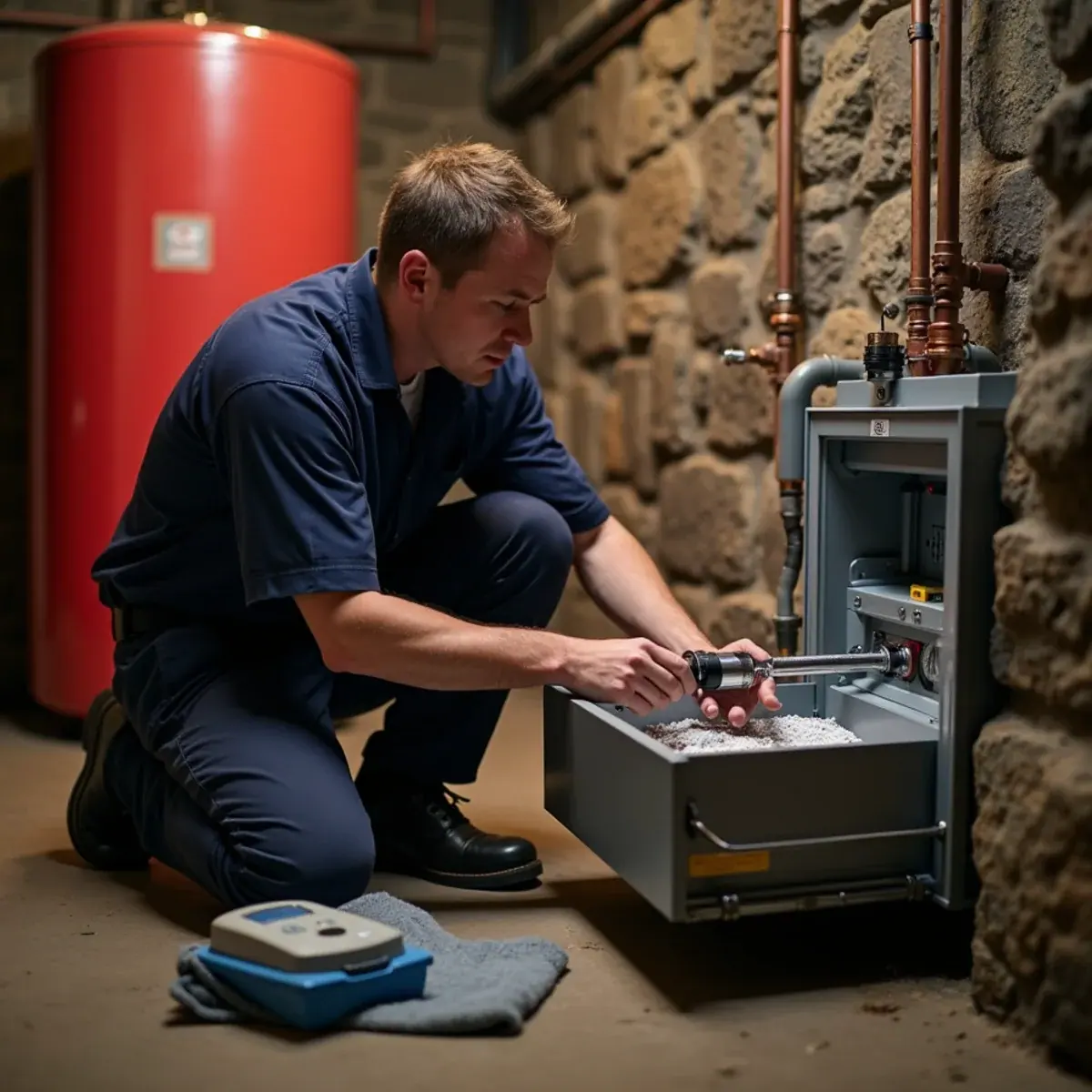
Manufacturers commonly quote around 8 to 12 years for a standard gas or electric tank and 20 years or more for a tankless unit. Those numbers assume maintenance. A tank fails when its steel shell rusts through, and the sacrificial anode rod is what delays that; once the rod is eaten away, the tank itself starts to corrode. A tankless heater fails more gradually, through scale, sensors and fan or igniter parts, most of which can be replaced. Skip the yearly descaling on hard well water, though, and a tankless unit can wear out well before a tank would.
- Tank: check the anode rod every few years and drain sediment yearly.
- Tankless: flush the heat exchanger and clean the inlet screen at least yearly.
- Indirect: the tank often outlasts a conventional one, but it depends on the boiler and its controls staying healthy.
What our water heater calls teach us about tank vs. tankless
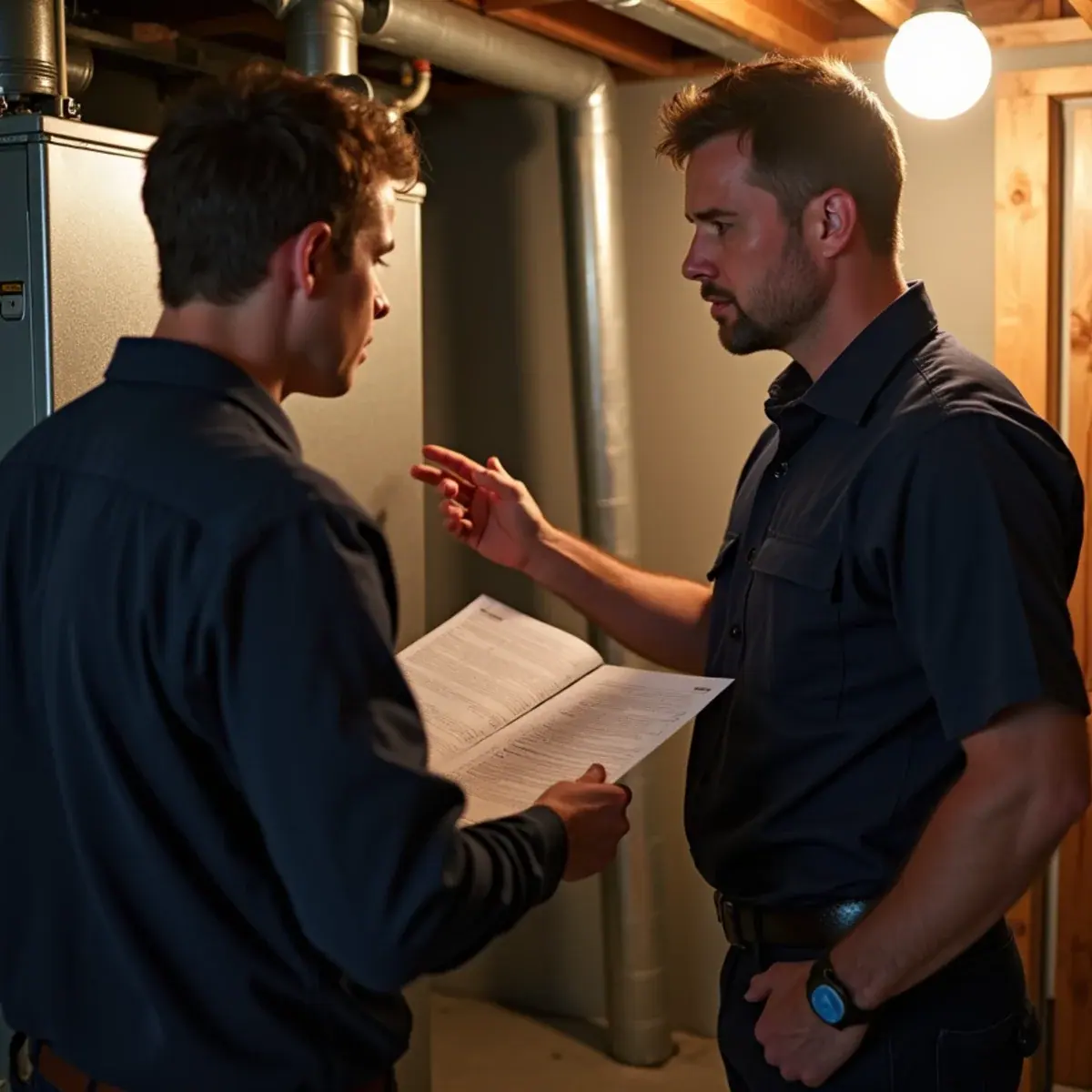
Most tankless complaints we’re called about aren’t defects. They’re installation shortcuts. A unit that throws ignition or flame-loss codes only when the boiler is also firing is almost always starved for gas, and no amount of cleaning fixes a half-inch line that was never resized. A unit that runs lukewarm at the kitchen sink but fine in the shower often has a clogged inlet screen or a flow rate too low to trigger the burner. Low-flow faucets and a single-handle mixer set toward cold can fall under that activation threshold.
Tanks have their own blind spots. On a closed system with a check valve or pressure-reducing valve, heated water has nowhere to expand, so pressure spikes and the relief valve drips. The fix is a properly charged expansion tank, not a new heater. And when an indirect tank feels short on hot water, the culprit is often the boiler’s control giving it low priority or a mixing valve set too cool, not the tank itself.
Our honest bias: we’d rather match the heater to the house than sell the newest box. In a basement with a sound boiler, an indirect tank is hard to beat. In a tight condo with a strong gas supply and a direct side-wall vent, tankless makes sense. In an all-electric house, a heat pump tank is worth pricing.
Choosing the Right Fit for Your House
There is no universal winner. The right water heater depends on your fuel, your boiler, your pipes and your family’s morning routine. Our water heater repair and installation team services and installs all makes and models, and we will tell you plainly if your current tank has years left in it. If your heating system is due too, pairing the visit with HVAC maintenance saves a trip. Reach out and we will look at what you have before recommending anything.
Frequently asked questions
Will a tankless water heater keep up in winter?
It can, if it is sized for winter water temperatures. Incoming water in the Hudson Valley gets much colder in January than in July, which cuts a tankless unit’s flow rate. A heater that easily runs two showers in summer may struggle in winter. Proper sizing uses your coldest incoming water and your real peak demand, not ideal conditions.
How often does a tankless water heater need descaling?
Most manufacturers call for flushing at least once a year, and more often with hard water. Scale forms quickly in the narrow heat exchanger passages, lowering efficiency and causing error codes. Having isolation valves with flush ports installed makes descaling a straightforward service visit rather than a plumbing project.
Is an indirect water heater better than tankless if I have a boiler?
Often, yes. An indirect tank uses the boiler you already have, needs no extra vent or larger gas line, and recovers quickly because the boiler is a powerful heat source. It works best when the boiler is modern and well maintained. With an old, oversized boiler, running it all summer for hot water may be less efficient.
Will a tankless water heater work during a power outage?
Usually not. Gas tankless units need electricity for the control board, igniter and combustion fan, so when the power goes out during a Hudson Valley storm, so does your hot water. Some gas tank heaters with a standing pilot and a thermocouple-powered gas valve keep working without power. If outages are common on your road, factor that in or plan for backup power.
What is the “cold water sandwich” with tankless heaters?
It’s the brief burst of cold water you feel when you turn a shower off and back on within a minute or two. Hot water still in the pipe comes out first, then a slug of cold water passes through while the burner relights, then hot water returns. It’s normal for most tankless designs. A small buffer tank or a recirculation setup can reduce it if it bothers your household.