Emergency
Refrigerant Leak Signs and Why Topping Off Isn't a Fix
Warm air, ice on the lines and a hissing coil can all point to a refrigerant leak. Here is why adding more refrigerant isn’t a repair, and what finding and fixing the leak involves.
24-hour emergency service · Family-owned since 1976
Licensed, bonded & insured · EPA Universal Certified · BBB Accredited A+
Heating & cooling · White Plains & Westchester
Central air repair, replacement and seasonal service by EPA Universal certified techs who measure first and explain before they fix.
AC repair in White Plains, NY most often comes down to an electrical part, a clogged condensate drain, restricted airflow or a refrigerant leak on a central air system. Bella Family Air Solutions measures the system before replacing anything, explains the options in plain terms and repairs ducted central air of every make, but not window, wall or PTAC units.
The first hot week in June is when central air systems around White Plains show what kind of winter they had. Capacitors that were weak last fall finally fail, condensate drains clogged with algae start dripping through ceilings, and condensers packed with cottonwood fluff run hot and trip on high pressure.
We repair and install ducted central air: condensers, air handlers, evaporator coils, and split systems of every make. Our techs are EPA Universal certified, so refrigerant work is handled legally and recovered properly. One thing to know before you call: we don’t service window units, wall units or PTAC units. Our work is on central systems.
If the house is already dangerously hot, our emergency AC repair team answers around the clock.
These are the calls that fill our schedule from Memorial Day to Labor Day.
Fan runs, but the air is warm
Often the outdoor unit isn’t running because of a failed run capacitor or a burnt contactor. Both are quick fixes when caught early.
Outdoor unit hums and won’t start
A compressor straining against a dead start capacitor. Shut the system off; repeated attempts can overheat the compressor.
Ice on the refrigerant line or coil
Low airflow from a dirty filter or coil, or low refrigerant from a leak. Let it thaw before running it again.
Water around the air handler
A clogged condensate trap or a failed condensate pump. In attic installations this becomes a ceiling stain fast.
House feels cool but clammy
Oversized equipment or excessive airflow cools the air without pulling out moisture, which is common in humid Westchester summers.
Tripped breaker every afternoon
A shorted fan motor, failing compressor or loose connection. Don’t keep resetting it.
If anything smells like burning or the breaker trips again, turn the system off at the thermostat and call — skip the list. Otherwise, these checks take five minutes on a hot White Plains afternoon and sometimes solve the problem outright:
Stop there if the outdoor unit hums but won’t start, the breaker trips again or you smell something electrical. A straining compressor or a shorted fan motor needs a technician, not another reset.
In a heat wave, move older adults, infants and pets to the coolest room, close blinds on the sunny side and keep water handy while you wait. Our emergency AC repair line answers 24/7, and our guide to what to do when the AC dies in a heat wave covers more.
Fixing the part that failed gets the cooling back. These extra checks are what keep the same system from failing again in August.
Float switch and overflow protection tested
The safety switch that should shut the system off before a drain pan overflows is tripped by hand to prove it works. Where an attic or closet air handler has a secondary pan or condensate pump, those get checked too, since they protect ceilings below.
Outdoor disconnect and wiring inspected
Heat, vibration and insects damage the wiring at the condenser. We look for scorched terminals, loose lugs and a worn disconnect, because a bad connection there can mimic a failed compressor and burn out a new part within weeks.
Refrigerant type identified and documented
We note whether the system runs R-22, R-410A or a newer refrigerant, since that decides what repairs make sense and what parts can be matched. The information goes in your record, which saves time on every future call.
Return-side leaks at the air handler
Gaps around the filter slot and return plenum pull hot attic or basement air into the system. Sealing obvious openings is often part of the repair, and bigger duct problems get noted with a recommendation rather than ignored.
Line set insulation and condenser footing
Cracked insulation on the suction line wastes capacity and drips water, and a condenser that has sunk off level strains its compressor and piping. Both are quick to spot and often overlooked on a rushed call.
Before-and-after readings on paper
Temperature drop across the coil, amp draw and refrigerant readings are recorded after the repair. If the system acts up again next summer, the next technician starts from a known baseline instead of from scratch.
An honest outlook on older systems
On an aging or R-22 system you get a plain view of what else is wearing, what a repair buys you and when replacement starts to make more sense, so you can budget before the next breakdown instead of during it.
Refrigerant is the last thing we touch, not the first.
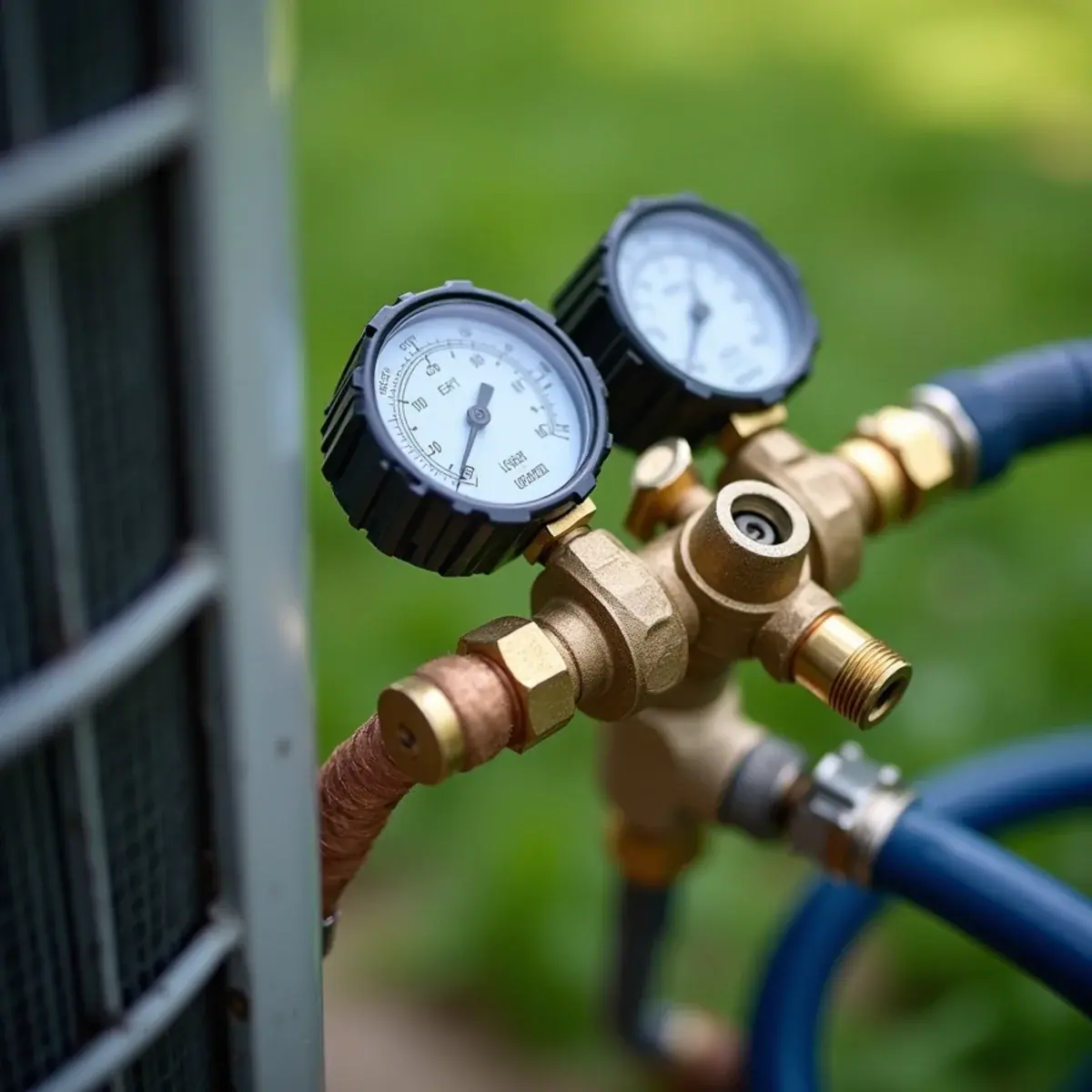
Filter, blower speed, coil condition and static pressure. Many cooling complaints are airflow problems.
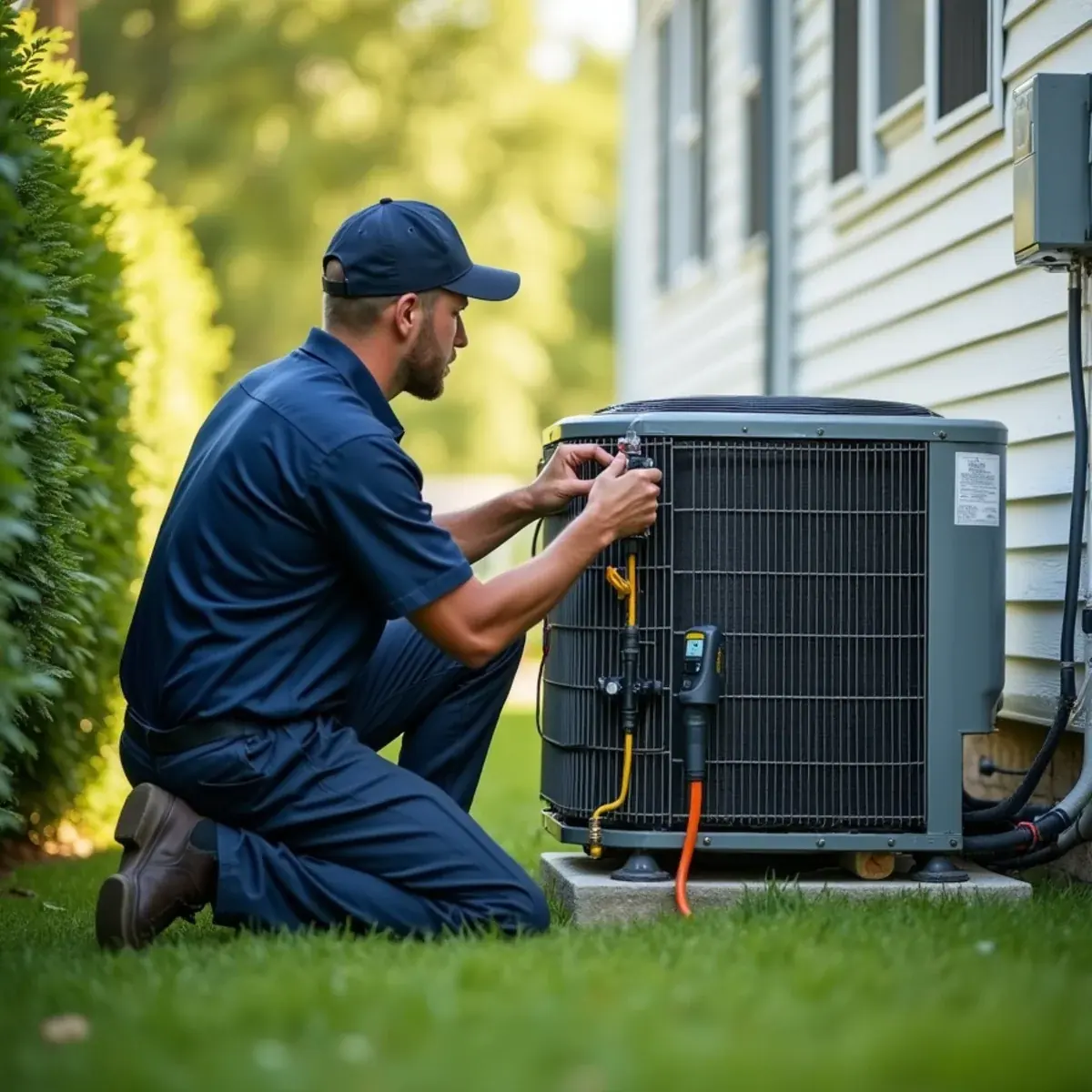
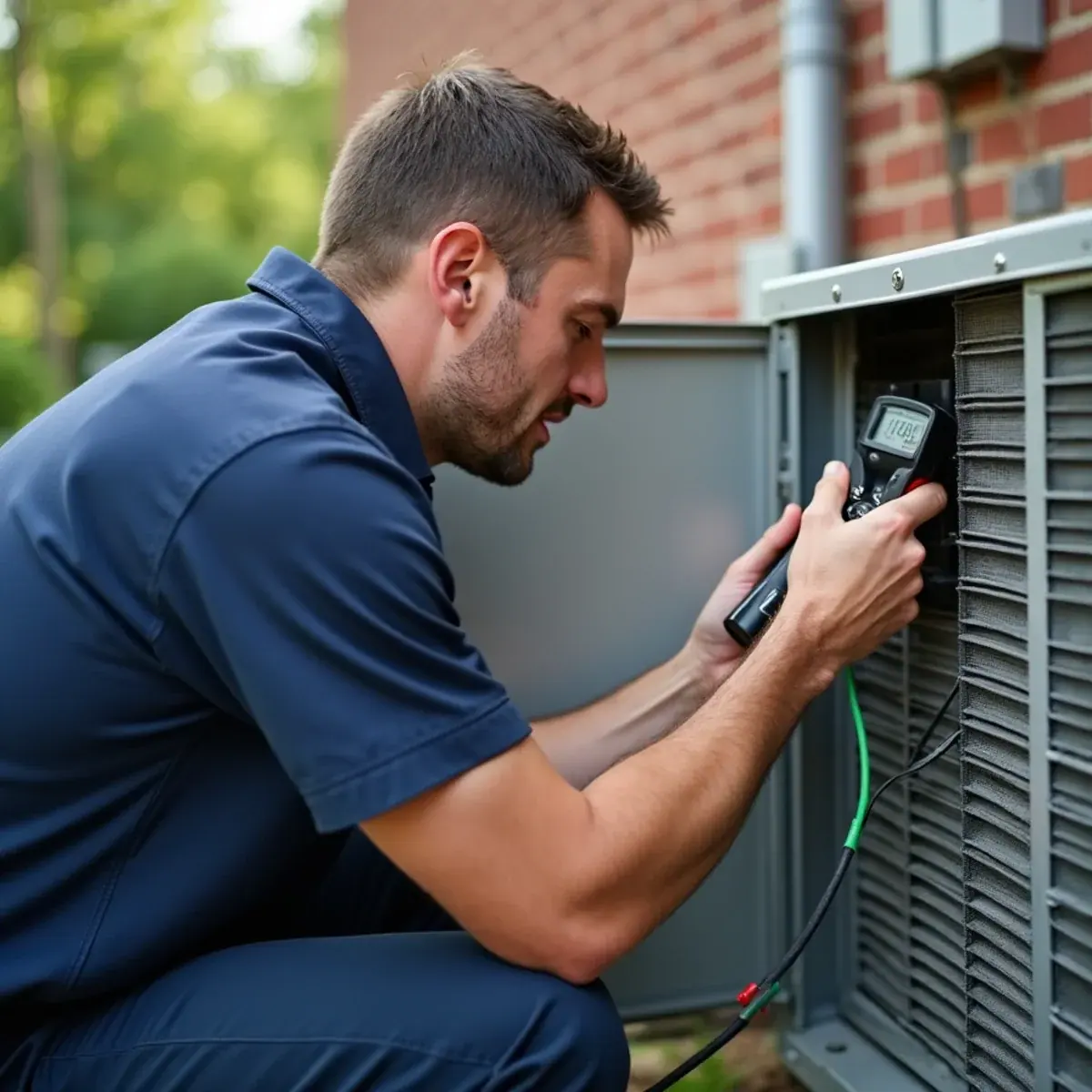
We test capacitors against their rated microfarads, inspect contactor points and measure compressor and fan amp draw.
Superheat and subcooling tell us whether the charge is right and whether the TXV or metering device is doing its job.
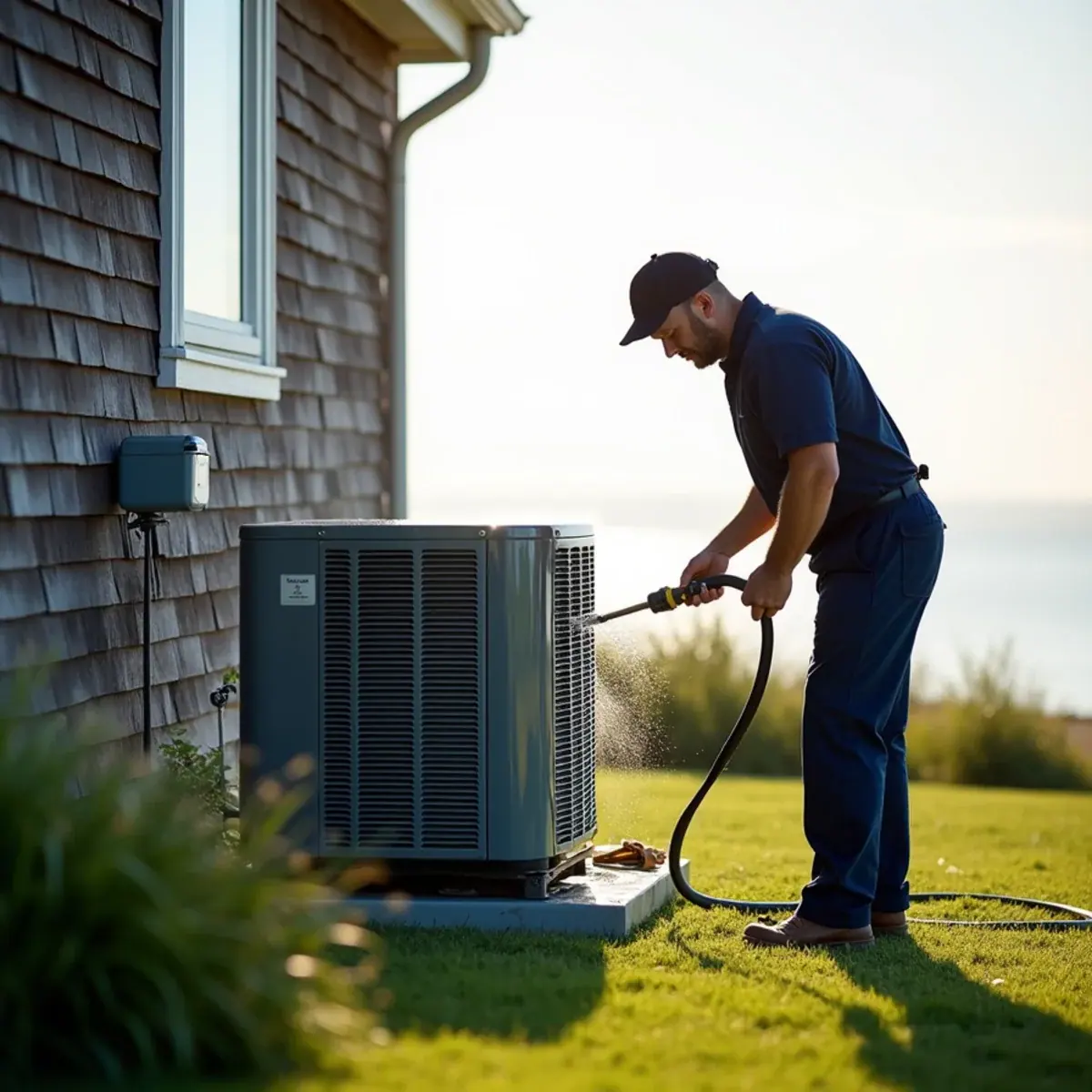
Condenser coil washed with Nu-Calgon cleaners, drain line flushed and the trap cleared.
We measure temperature drop across the coil and watch a full cycle before we leave.
Central air repairs range from a small electrical part to a major component. These factors decide where yours lands.
We explain each option before starting. On older R-22 systems we lay out several repair routes alongside replacement, so you decide based on real numbers instead of pressure.
These are researched local planning ranges for White Plains and Westchester (2026) — not quotes and not our price list. We price your repair after measuring the system.
| Job | Planning range | What moves the price |
|---|---|---|
| AC repair | $175 – $1,600+ | Capacitor or contactor at the low end; fan motor, coil, refrigerant leak repair or compressor work higher. |
| AC tune-up | $85 – $225 | Ask whether the coil is cleaned, the drain flushed and superheat/subcooling measured. |
| Central AC replacement | $4,400 – $8,800+ | Condenser and coil swap on existing, usable ductwork and line set. |
| Central AC installation | $6,200 – $13,250 | New or reworked ducts, air handler, electrical circuit, line set, pad and condensate routing. |
| Heat pump (heats and cools) | $8,000 – $14,600 | An alternative when you’re replacing AC anyway — confirm backup heat and rebate eligibility. |
| Permit & inspection | $85 – $450 | When the installation requires one — confirm with the White Plains Building Department. |
Planning ranges from 2026 local research; published ranges differ because scopes differ. Compare what’s included, not the headline number.
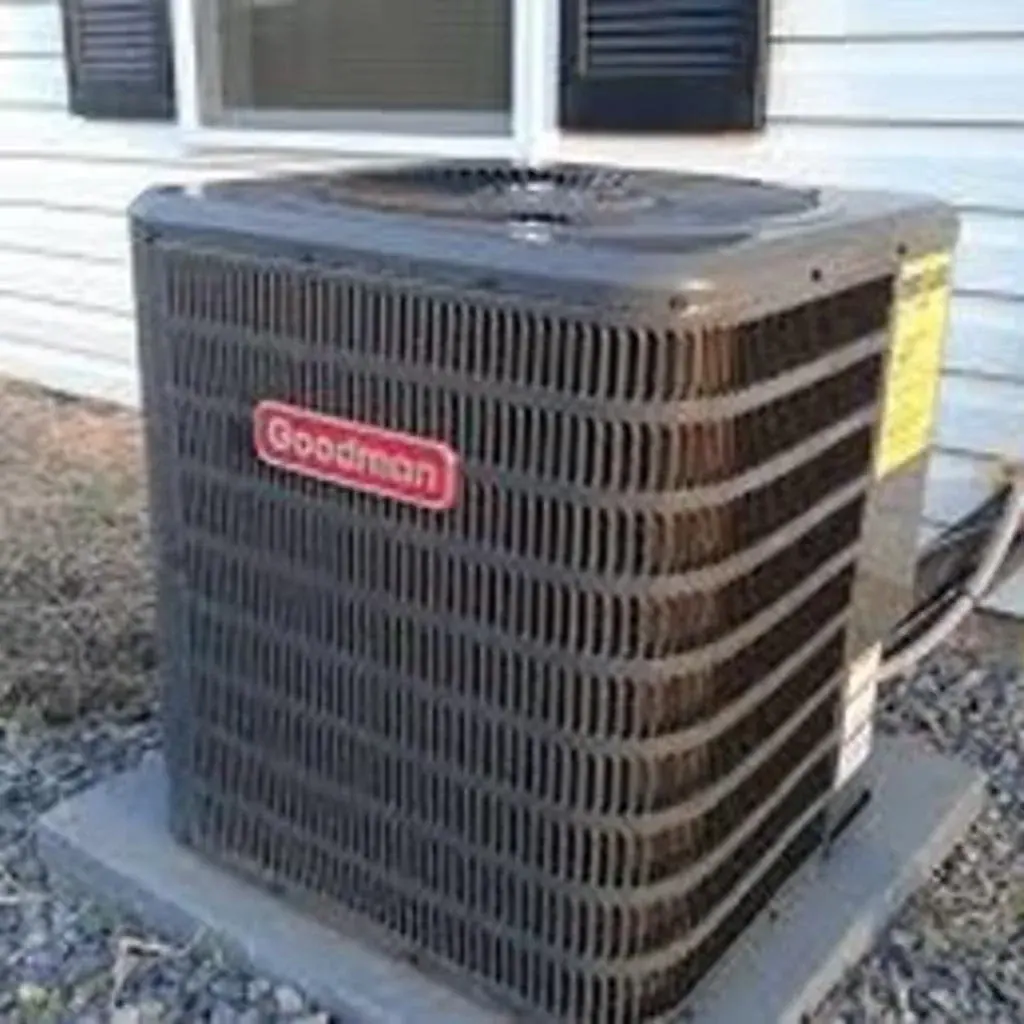
Production of R-22 ended in 2020, but plenty of Westchester homes still run condensers installed before 2010. When one of those develops a problem, replacement isn’t the only answer. If the fault is electrical, repair it. If the system is leaking, finding and fixing the leak may buy several more seasons. If the compressor has failed or the coil is badly corroded, replacement usually wins. We walk through each scenario honestly.
Adding refrigerant to a leaking system without finding the leak is money that ends up in the air. Our refrigerant leak repair service locates and fixes the source, and our article on why topping off isn’t a fix explains why.
New residential systems are built around lower-impact refrigerants such as R-454B and R-32, and they need matched indoor and outdoor components. We size replacements with a Manual J calculation and check that existing ducts can move the required airflow. Homes near the Sound face another variable: salt air eats condenser fins, which we cover in our post on salt air and AC condensers. We install and repair throughout the area, including Harrison.
After installation, a spring tune-up through our HVAC maintenance program keeps the warranty conditions and the efficiency where they should be.
A central air quote that looks cheaper often leaves out the parts that decide whether the system actually dehumidifies and lasts. Before comparing totals, check each one for:
Line by line
Downtown White Plains condos and many split-levels hide air handlers in attics and closets, where a clogged condensate line becomes a ceiling stain in one afternoon. Schedule the spring tune-up before the first heat wave — booking in April or May beats waiting in a July backlog.
EPA Universal certified for refrigerant work
Every sealed-system repair involves refrigerant rules. Our technicians hold EPA Universal certification under Section 608, so refrigerant is recovered, handled and charged legally, whether the system runs older R-22 or a current replacement refrigerant.
Several options on old R-22 systems
Customers mention being given several choices on an old R-22 air conditioner instead of being pushed into a new one. When a repair can buy you a few more reliable summers, we lay it out next to replacement with the trade-offs of each.
Central air is our focus
We don’t take window, wall or PTAC work, which keeps our technicians on condensers, coils, air handlers and ductwork every day. Each one brings at least 15 years of work history to a cooling call, not a first season.
Warranties customers can point to
Repair work comes with a written warranty whose terms depend on the job. Reviewers mention both six-month and two-year repair warranties on specific jobs, and the paperwork is clear enough for a home warranty company or a future buyer to read.
Where we work
We provide ac repair in White Plains and these nearby communities — plus the rest of Westchester County.
Cooling problems change with geography. Along Long Island Sound in Rye, Mamaroneck, Larchmont and New Rochelle, salt air corrodes condenser coils and electrical connections faster than it does inland, so repair calls there often include a close look at fins and terminals.
In denser Yonkers and Mount Vernon, heat waves push older central systems to their limit, and attic air handlers in colonials around Scarsdale make drain overflows a ceiling problem. Our guide to an AC failure in a heat wave covers what to do while you wait.
FAQ
The most common causes are a failed capacitor or contactor that keeps the outdoor unit from running, a dirty filter or coil choking airflow, or low refrigerant from a leak. Check that the outdoor fan is spinning and the filter is clean. If the fan isn’t running or the lines are icing, shut the system off and call for service.
No. We don’t service window units, wall units or PTAC units. Our work is on central air systems, ducted splits and the air handlers and condensers that go with them. If you’re thinking about moving from window units to central air, we can look at your home and talk through what installation would involve.
Sometimes. If the problem is electrical, like a capacitor, contactor or fan motor, repair is usually sensible. If the system needs a large refrigerant charge or a new compressor, replacement often makes more sense because R-22 is expensive and scarce. We give you several options and the reasoning behind each.
Air conditioners pull a lot of water out of summer air. It drains through a trap and line, sometimes to a condensate pump. Algae and debris clog the trap, or the pump fails, and water backs up into the pan and overflows. Turn the system off to limit damage. We clear the drain, treat it and check the float switch that should shut the unit off.
Researched local planning ranges run about $175 to $1,600+. A capacitor or contactor sits at the low end; a fan motor, coil, refrigerant leak repair or compressor costs more, and attic access or R-22 refrigerant raises the price. We measure the system, then give you the price of each option before any work starts.
Researched planning ranges put a condenser-and-coil replacement on existing ductwork around $4,400–$8,800+ and a full central AC installation around $6,200–$13,250. New ductwork, electrical work, line sets, condensate pumps and permits explain most of the gap. Compare quotes by what they include, not the total alone.
In spring, before the first heat wave. A spring visit cleans the condenser coil, flushes the condensate drain, tests capacitors and contactors and checks the refrigerant charge while there’s still time to fix problems. Waiting until July usually means waiting in a backlog while the house heats up.
Measure the air going into the return grille and the air coming out of a nearby supply register. A healthy central system usually cools the air roughly 15 to 20 degrees Fahrenheit. A much smaller difference points to low refrigerant, a dirty coil or an airflow problem, and it’s a useful number to tell us when you call.
Usually not on an older system. The outdoor condenser and indoor coil are designed as a matched pair, and newer refrigerants won’t work with an R-22 coil. Pairing a new condenser with a mismatched coil can cut efficiency and void the manufacturer’s warranty. On a recent R-410A system, an exact match may be possible, so we check model numbers first.
A full plastic wrap traps moisture and invites rodents, so we don’t recommend it. A breathable top cover or a board over the fan grille can keep ice and falling debris out. Clear snow and leaves away from the sides, and remove any cover before you switch cooling on in spring.
Written by the Bella Family Air Solutions team · Last reviewed . Planning ranges, permit and rebate guidance are reviewed at least quarterly.
Related services
EPA Universal-certified technicians who find the leak, repair it and prove it with a nitrogen pressure test before recharging — instead of topping off the same system every summer.
Learn moreCentral air quit in the middle of a heat wave? Around-the-clock diagnosis of capacitors, contactors, frozen coils and tripped float switches, with the most vulnerable households triaged first.
Learn moreSpring and fall maintenance built around our two-part service: burners pulled and cleaned, return ducts sanitized and every safety control tested.
Learn moreEmergency
Warm air, ice on the lines and a hissing coil can all point to a refrigerant leak. Here is why adding more refrigerant isn’t a repair, and what finding and fixing the leak involves.
Local
Salt carried off Long Island Sound corrodes AC condenser coils faster than inland. Here is how Rye and Mamaroneck homeowners can slow the damage and prepare equipment for storms.
Tell us what your system is doing and we'll get a technician with 15+ years of experience on the way. Clear explanation, written options, no pressure.
Bella Family Air Solutions · 18 Jefferson Pl, White Plains, NY 10603 · (831) 461-3437