Prevention
How Often Should Air Ducts Be Cleaned in New York Homes?
By Bella Family Air Solutions 4 min read
How often should you clean air ducts in a New York home? The honest answer is: when there is a reason to, not on a rigid calendar. The EPA recommends cleaning when there is visible mold, vermin or excessive debris, and the National Air Duct Cleaners Association (NADCA) suggests periodic inspection with cleaning as needed. Many homes fall somewhere in the three-to-five-year range often cited in the industry, but some need it sooner and some rarely need it at all. Here is how to tell which group you are in.
What the EPA and NADCA Actually Say
It helps to separate what the authorities say from what gets repeated in advertising.
- The EPA does not recommend routine duct cleaning for every home. Its guidance says you should consider cleaning if there is substantial visible mold growth inside hard ducts or on other system components, if ducts are infested with insects or rodents, or if ducts are clogged with excessive dust and debris, such as particles blowing out of supply registers.
- NADCA, the trade association for duct cleaners, supports periodic cleaning based on inspection. The three-to-five-year figure is commonly cited, and it is a reasonable reference point, but the right interval depends on the home.
What neither organization claims is that duct cleaning is a proven health treatment. The EPA notes that research has not conclusively shown that routine cleaning prevents health problems. Cleaning is about removing a real contaminant, not a preventive ritual.
Both agree that duct cleaning should be done thoroughly, covering the whole system including coils, blower and plenums, not just the registers.
Clear Signs Your Ducts Need Cleaning
- Visible mold on duct surfaces, at the plenum or around the coil, or a persistent musty smell when the system runs
- Evidence of vermin, such as droppings, nesting material or odors, often in basement returns and attic runs
- Dust puffing from supply registers when the blower starts, or a heavy dust layer returning quickly after cleaning
- Recent renovation, especially sanding drywall, refinishing floors or demolition while the system ran
- Moving into a home with unknown maintenance history, pets or smokers
- After water damage or flooding that reached ductwork
When Cleaning Can Probably Wait
Some dust on the grille or just inside a register is normal and does not mean the whole system is dirty. If your ducts look reasonably clean on inspection, the filter is changed regularly, nobody has renovated recently and there are no smells or pests, you can likely wait. We would rather tell you that than sell a service you do not need.
Supply Side vs. Return Side
Most of the debris in a typical system collects on the return side, because returns pull room air, dust and pet hair toward the filter. Supply ducts downstream of a good filter often stay surprisingly clean. That is why an inspection that looks only inside a supply register can miss the real problem, and why a careful technician opens the return trunk and blower compartment before recommending anything. If the returns are dirty but the supplies are clean, a targeted cleaning may be all you need.
Factors That Shorten the Interval in New York Homes
Pets and Allergies
Dogs and cats shed dander and hair that collects in returns. Households with allergy or asthma sufferers often choose to inspect more frequently.
Older Homes and Basement Returns
Many Westchester homes have returns running through unfinished basements, sometimes as panned joist bays with open seams. Those pull in basement dust, and in damp basements, moisture that can lead to mold. Our article on mold in return ducts covers that problem in more detail.
Renovation and Construction Dust
Drywall dust is extremely fine and passes through basic filters. If a kitchen or bath remodel happened with the system running, the ducts likely need attention, and the coil and blower should be checked too.
Filter Habits
The single biggest factor is the filter. A properly fitted filter changed on time keeps most debris out of the ducts. A missing filter or one bypassed by a gap in the rack lets dust coat the coil and blower quickly.
What a Thorough Duct Cleaning Includes
- Inspection of supply and return ducts, plenums, blower and coil
- Negative-pressure collection connected to the system to capture loosened debris
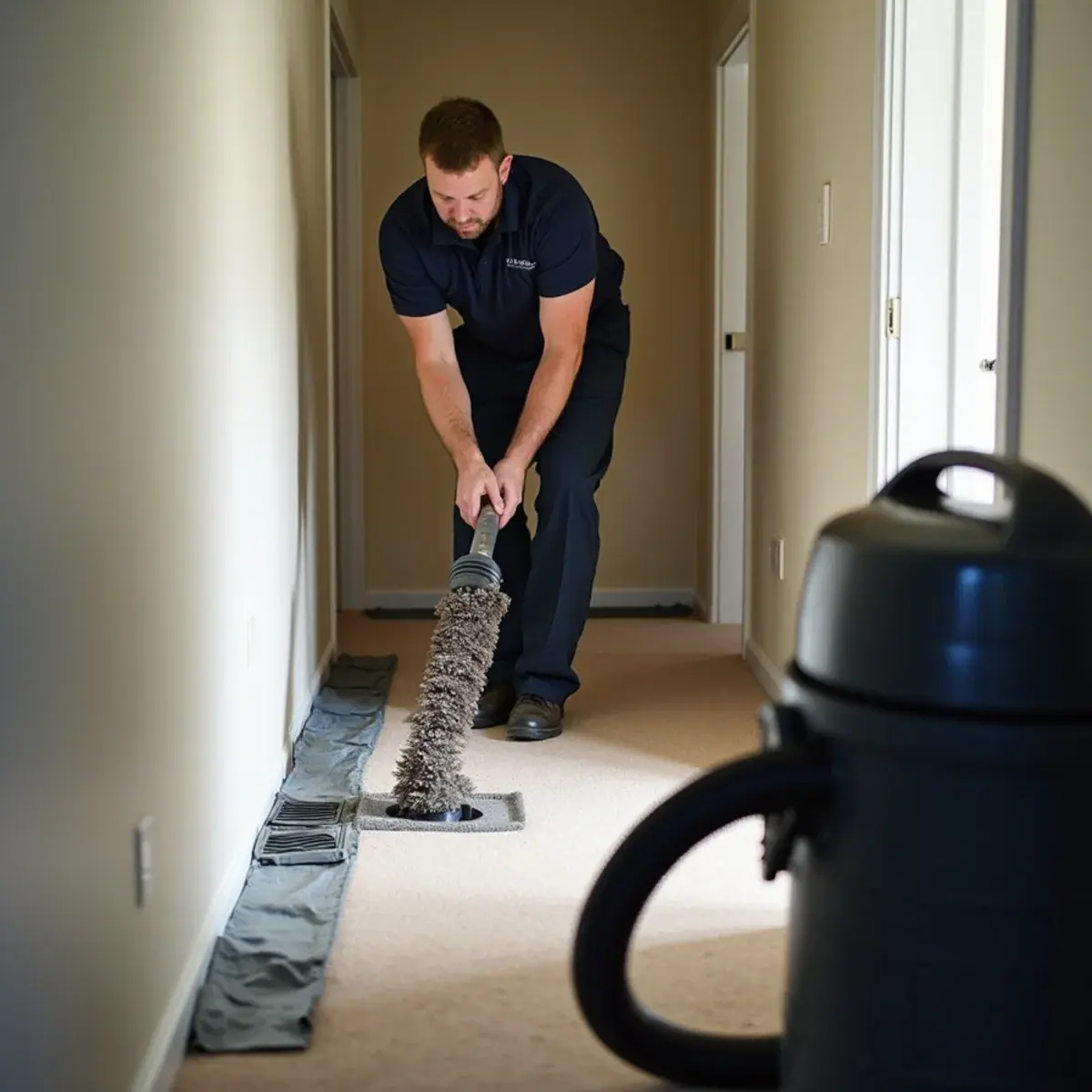
- Agitation of duct interiors with brushes or air whips to dislodge buildup
- Cleaning of registers, grilles, the blower assembly and accessible coil surfaces
- Sanitizing where needed with environmentally safe, non-toxic Nu-Calgon products
- A before-and-after walkthrough so you can see the difference
Our air duct cleaning follows this approach. Where we find growth on the return side, we treat it as part of duct mold remediation and sanitizing, and regular HVAC maintenance helps keep things clean between cleanings.
Local Notes for Hartsdale and Ardsley
In Hartsdale, many single-family homes built in the postwar decades have original ductwork that has seen several owners and remodels, making an inspection worthwhile. In Ardsley, mid-century furnaces and air handlers are reaching the end of their lives, and replacing equipment is a good moment to check and clean the ducts it will connect to.
How Can You Check Your Own Ducts Before Paying for a Cleaning?
You don’t need special tools for a first look. Ten minutes with a screwdriver and a phone flashlight tells you whether a call is worth making.
- Pull the filter and study the slot. Gaps at the edges, a missing cover, or dust on the far side of the filter mean air is getting around it.
- Unscrew one supply register and shine a light into the boot. A light film is normal; clumps, construction debris or droppings are not.
- Remove a low return grille and photograph a few feet into the duct, where most of the dirt collects.
- With the fan running and a register off, hold a white paper towel over the opening for a minute. Gray streaks mean dirt is moving through the system.
- Stand at the return when the blower starts and note any musty smell.
Keep the photos for your call. If they show real buildup, an air duct cleaning inspection confirms it. If they don’t, a maintenance visit with a proper filter setup may be all your system needs this year.
From our duct crew: the blower wheel tells you more than the calendar
The quickest way we judge whether a house needs its ducts cleaned is to pull the blower door and look at the wheel. The blower sits right after the filter, so it sees whatever gets past it. If the blades show clean metal, the supply ducts downstream are usually in decent shape and cleaning can wait. If the blade cups are packed with gray felt, air has been bypassing the filter for a long time, and the returns and coil usually match.
Filter choice moves the interval more than most people expect. A pleated filter in the MERV 8 to 11 range catches far more than a flat fiberglass one, but a very dense filter jammed into a one-inch slot can choke airflow on some older systems, and a starved blower then pulls air through every leaky seam instead. A deeper media cabinet solves both problems. Ask what your equipment can handle before buying the highest rating on the shelf.
Older ductwork brings one caution worth stating plainly. Many homes built before the 1980s have ducts wrapped or taped with material that may contain asbestos, often a white or gray paper-like tape at the joints. Brushes and air whips can damage it. When we see suspect material, we point it out and recommend testing before any agitation, even if that pushes the cleaning back.
Clean Based on Condition, Not a Sales Calendar
Duct cleaning is worth it when there is a real reason: mold, pests, heavy debris, renovation dust or an unknown history. Otherwise, a good filter routine and regular maintenance go a long way. If you are unsure, ask us to inspect your ducts, and our techs will give you a straight answer about whether cleaning is needed now or can wait.
Frequently asked questions
Does the EPA recommend cleaning air ducts every few years?
No. The EPA does not recommend routine duct cleaning on a set schedule. It advises considering cleaning when there is substantial visible mold, an insect or rodent infestation, or excessive dust and debris coming from registers. NADCA supports periodic cleaning based on inspection, and three to five years is a commonly cited reference, but condition should drive the decision.
Should I clean my ducts after a renovation?
Usually, yes. Drywall sanding, floor refinishing and demolition produce fine dust that slips past standard filters and settles in ducts, on the blower and on the coil. If the system ran during the work, an inspection and cleaning afterward is a good idea. Next time, turn the system off or seal the registers during dusty work.
Can duct cleaning lower my energy bills?
Clean ducts alone make a modest difference. The larger efficiency gains come from a clean blower wheel and evaporator coil, which restore airflow. That is why thorough duct cleaning includes those components. Sealing leaky ducts, especially returns in basements and attics, often saves more energy than cleaning itself.
Should ducts be cleaned before a new furnace or AC is installed?
It’s the right moment to inspect them. A new blower and coil will pull whatever sits in the old returns straight into equipment that’s still under warranty. If the inspection shows construction dust, pet hair or debris, cleaning before the new unit starts up makes sense. If the ducts look clean, put that money toward sealing leaky return joints instead.
Do I need to be home while the ducts are cleaned?
Someone should be there at the start and at the end. The crew needs access to every register and return, the basement or attic where the equipment sits, and the electrical panel. At the end, look at the blower and a few duct runs yourself, or ask for before-and-after photos, rather than taking the result on faith.