Local
Converting From Oil Heat in Northern Westchester and Putnam County
By Bella Family Air Solutions 5 min read
An oil to heat pump conversion in Putnam County or northern Westchester is rarely a simple swap. Most homes up here were built around a basement oil tank and a boiler feeding radiators or baseboard, and many roads have no gas main at all. The right path depends on what fuel reaches your street, how your house moves heat today, and whether your electrical service can carry a new load. This guide lays out the realistic options so you can walk into an estimate knowing what to ask.
Why So Many Homes Up Here Still Burn Oil
South of White Plains, natural gas lines run under most streets. Head north into Yorktown, Somers, Carmel, Mahopac or Putnam Valley and that changes fast. Large lots, winding roads and rock ledge made gas extensions expensive, so builders from the 1950s through the 1980s installed oil boilers and furnaces as the default. Many of the split-levels and raised ranches around Yorktown Heights still run the original distribution system, even if the boiler itself has been replaced once or twice.
In Putnam County, propane and oil remain common, and across Putnam and northern Westchester your electric utility may be NYSEG, Central Hudson or Con Edison depending on the road. That matters because utility rebate programs differ by territory.
Your Three Realistic Conversion Paths
1. Oil to Natural Gas (Only Where a Main Exists)
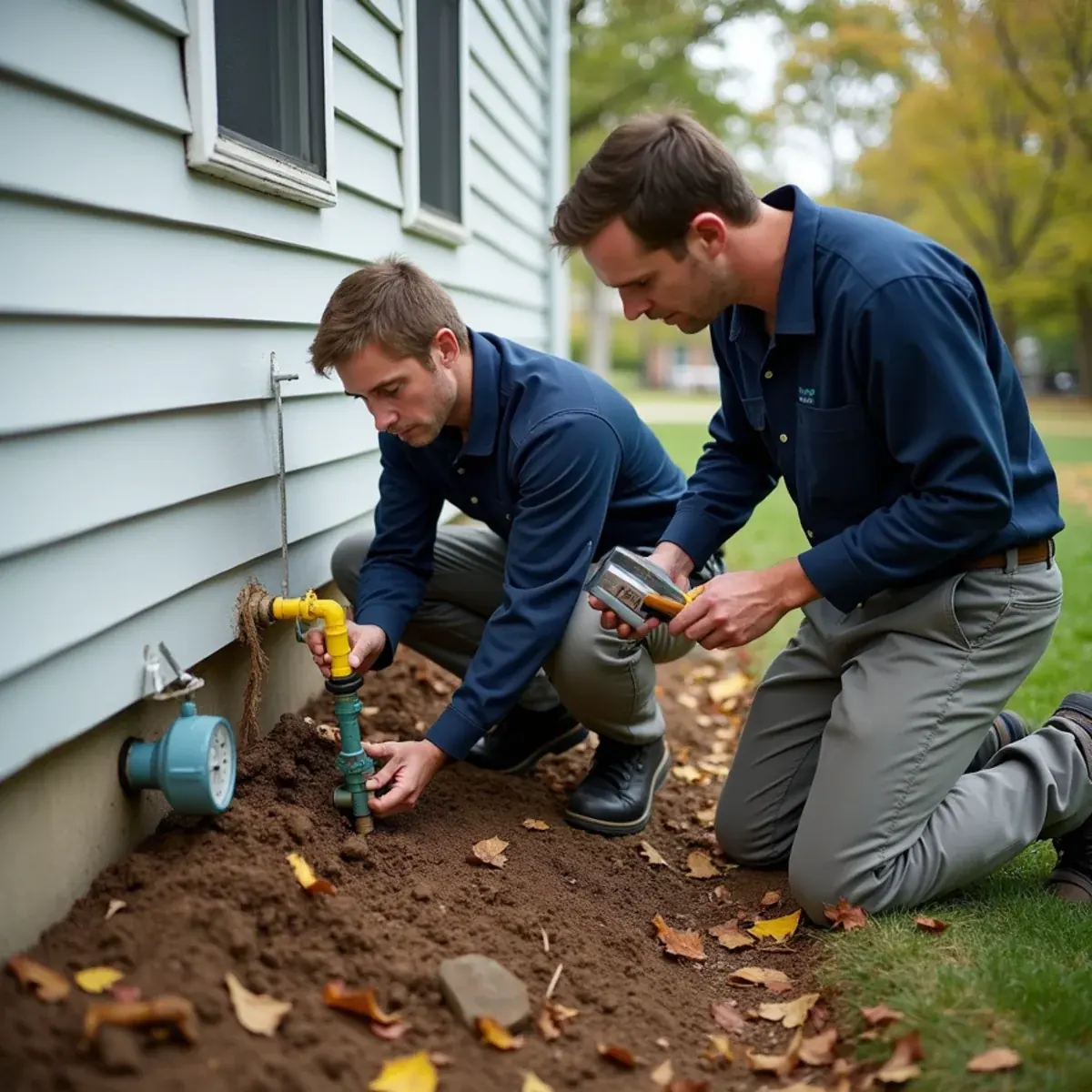
If a gas main already runs past your property, converting can be straightforward: the utility runs a service line and meter, and we install a gas-fired boiler or furnace, or convert a compatible unit. The catch is availability. A main two streets away does not help you, and extension costs quoted by utilities can be steep. Call your gas utility first and ask directly whether service is available at your address.
2. Oil to a Cold-Climate Heat Pump
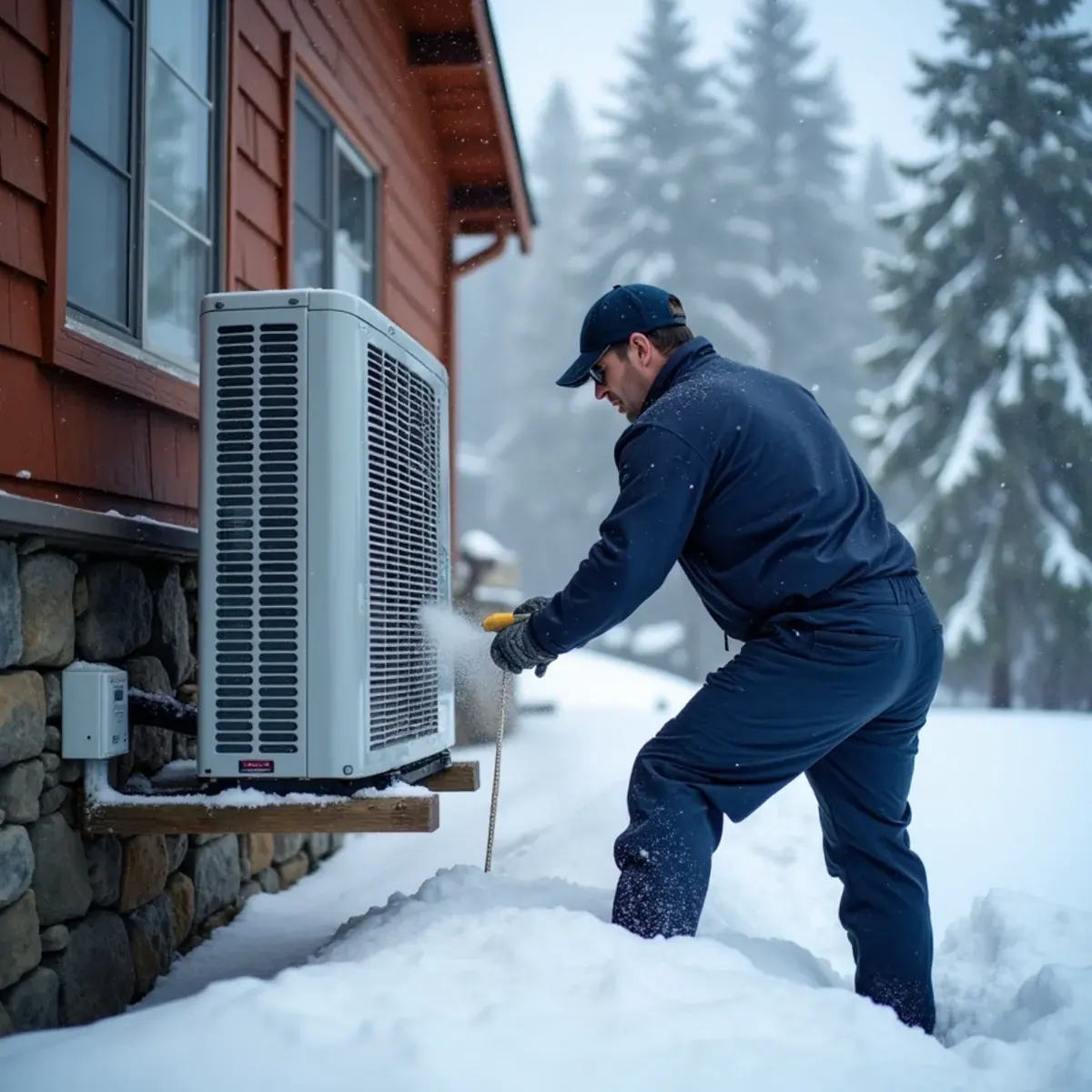
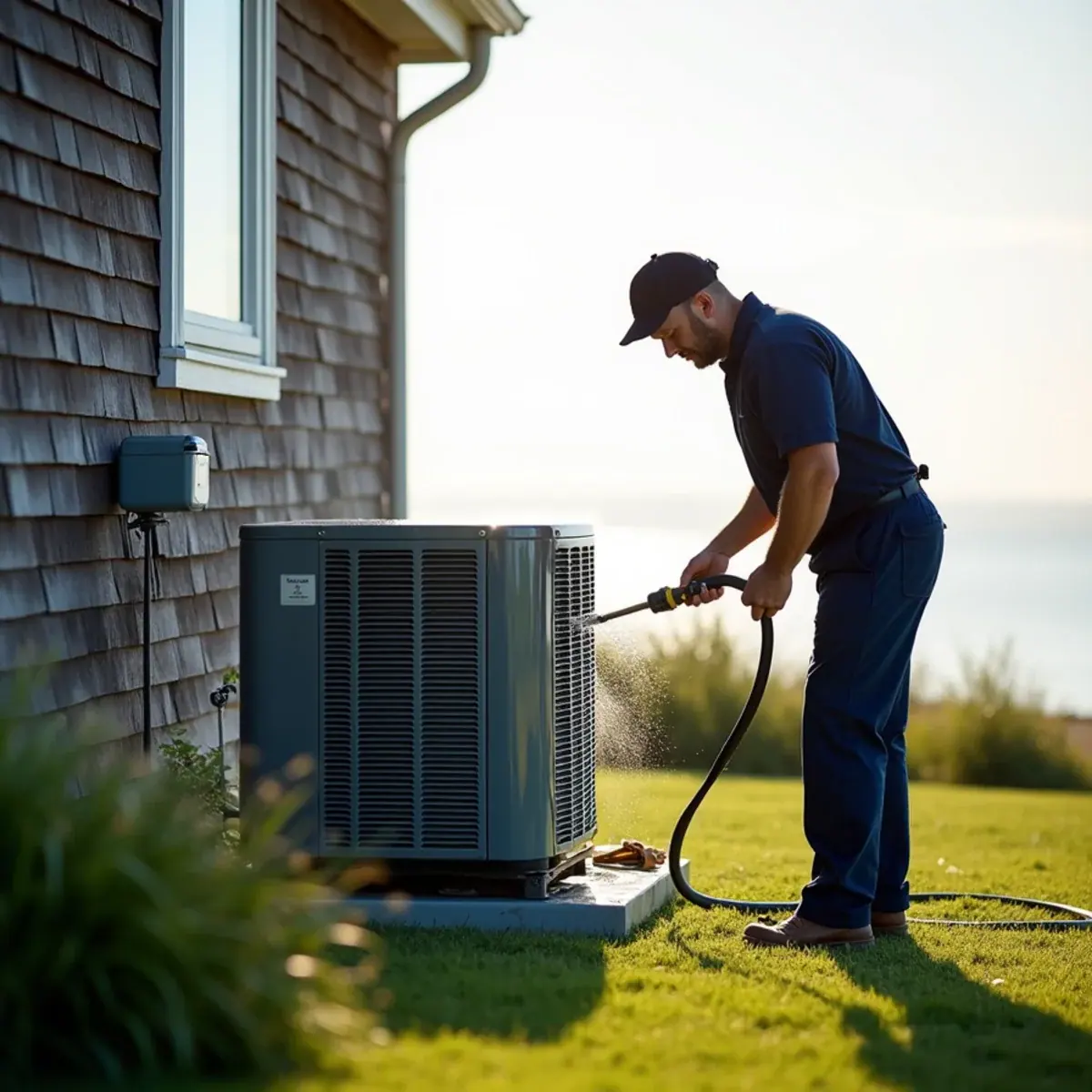
Modern cold-climate air-source heat pumps keep producing useful heat well below freezing, which makes them practical for Hudson Valley winters. They also cool in summer, so one system replaces both the oil burner and window units. Sizing matters more here than with oil. A proper Manual J load calculation, not a rule of thumb, tells us how much capacity your house needs on the coldest design day.
3. Hybrid: Heat Pump Plus the Existing Boiler as Backup
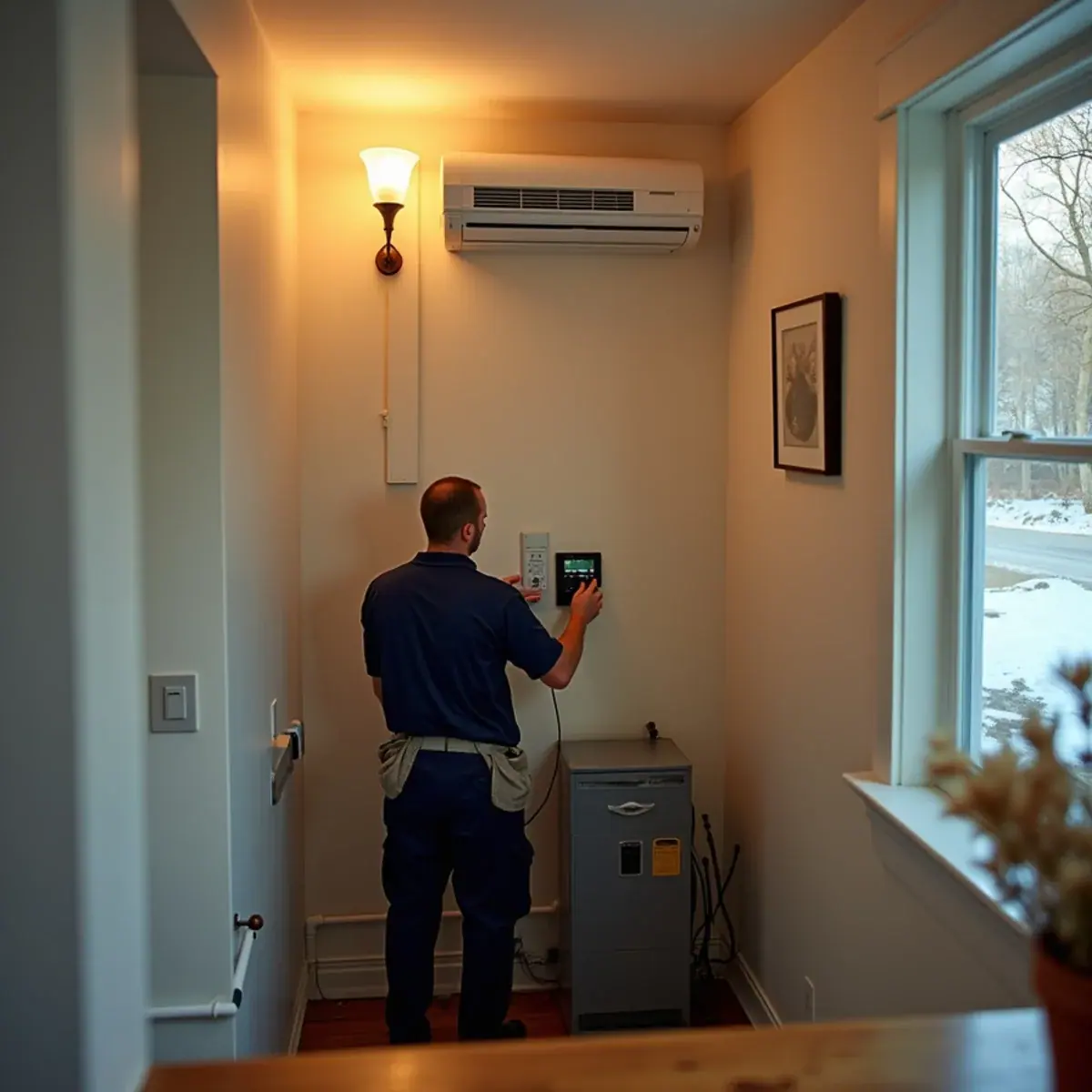
For many older homes, the smartest first step is a hybrid. The heat pump carries the load most of the season, and the existing oil boiler stays in place for the coldest stretches or as a backup during an outage. You burn far less oil, keep the comfort of radiant heat on bitter nights, and avoid pushing a heat pump beyond what your insulation can support. It also lets you live with a heat pump for a winter or two before committing to full removal.
Radiators and Baseboard: Hydronic, Ducted or Ductless?
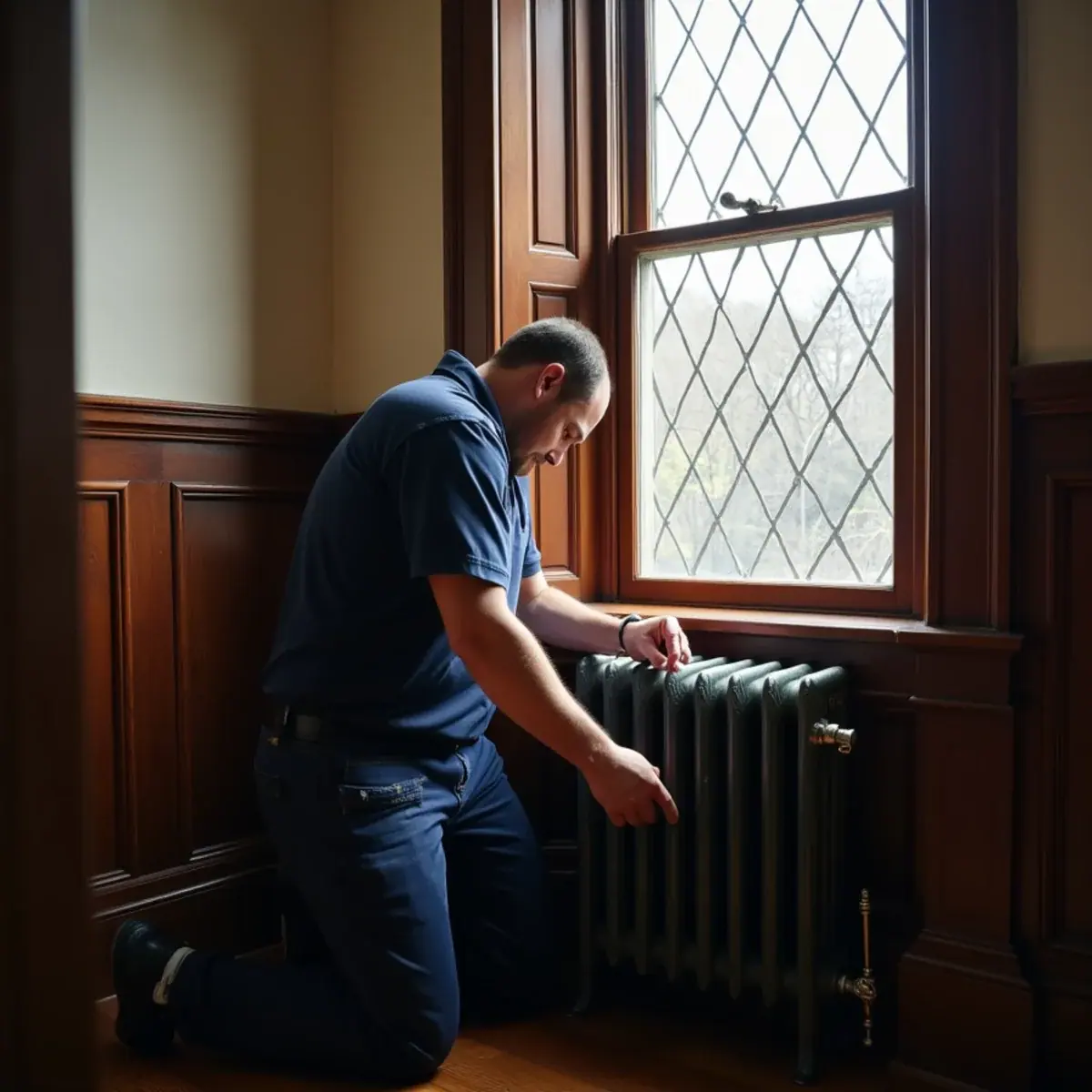
Homes heated by hot-water baseboard or cast-iron radiators have no ductwork, and that shapes the choice.
- Ductless mini-splits mount wall or ceiling heads in key rooms. They are the least invasive option for a house without ducts, and they pair well with a hybrid setup.
- Ducted heat pumps make sense where you already have central air ductwork in the attic, or where a forced-air furnace is being replaced.
- Air-to-water heat pumps feed hydronic systems directly, but they run at lower water temperatures than an oil boiler. Baseboard sized for 180°F water may not heat a room at 120°F without added radiation, so a heat-loss review is essential.
Steam systems are a different story entirely. Heat pumps cannot make steam, so steam homes usually go hybrid or add ductless heads while keeping the boiler.
The Oil Tank: Removal or Abandonment
Once you stop burning oil, the tank becomes a liability to address. Basement tanks are usually pumped out, cleaned, cut up and removed. Buried tanks can often be removed or, where local rules allow, abandoned in place after being emptied, cleaned and filled with an inert material. Either way, get documentation. Buyers, insurers and lenders routinely ask for proof of proper closure, and your town building department or the county may require permits. If you keep the boiler as a hybrid backup, the tank stays, so inspect it for rust, weeping seams and a sound vent and fill.
Rebates and Incentives: Verify Before You Sign
New York has offered heat pump incentives through NYSERDA and the utilities, but program details, eligibility and amounts change, and they differ between NYSEG, Central Hudson and Con Edison territory. We will not quote you a rebate figure that may be out of date. Check your utility’s current program page and NYSERDA before you sign a contract, since some programs require a participating contractor and pre-approval. Our overview of heat pump rebates for Westchester homes explains the general structure.
What to Do in the Meantime
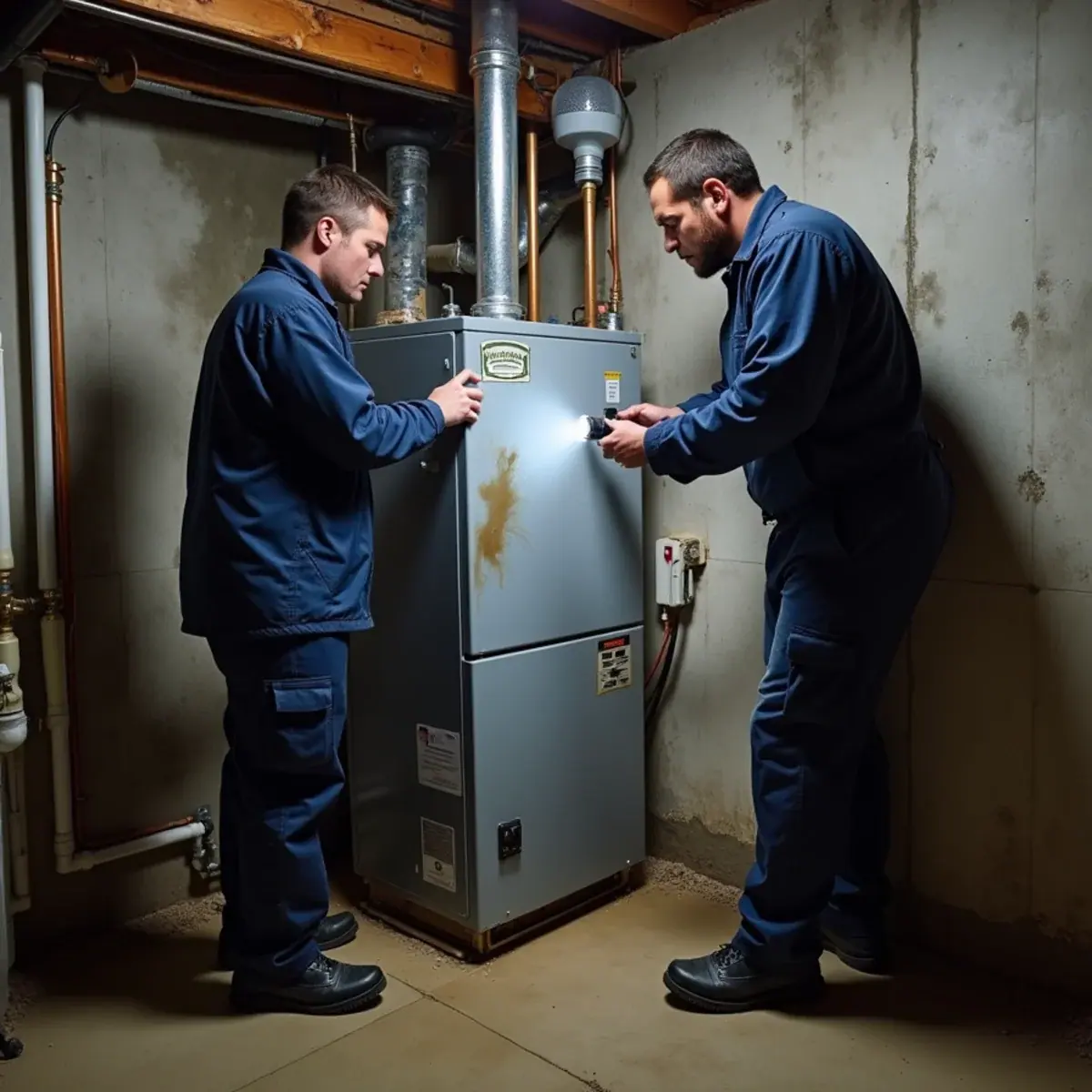
If a conversion is a year or two away, keep the oil system healthy. A yearly oil burner service with a new nozzle and filter, combustion analysis and a CO check keeps efficiency up and prevents mid-winter lockouts. If you run a boiler, boiler service with a zone-by-zone purge keeps air out of the loops so whatever you add later works with a clean system.
What Happens to Your Hot Water When the Oil Boiler Goes?
Many oil boilers north of White Plains make your domestic hot water too, either through a tankless coil inside the boiler or an indirect tank piped off a boiler zone. Take the boiler out and the showers go with it, so the hot water plan belongs in the same estimate as the heating plan.
- Hybrid homes can keep the boiler making hot water, but firing an oil boiler all summer just to feed a tankless coil burns the fuel you were trying to stop buying. An indirect tank is a gentler load if the boiler stays.
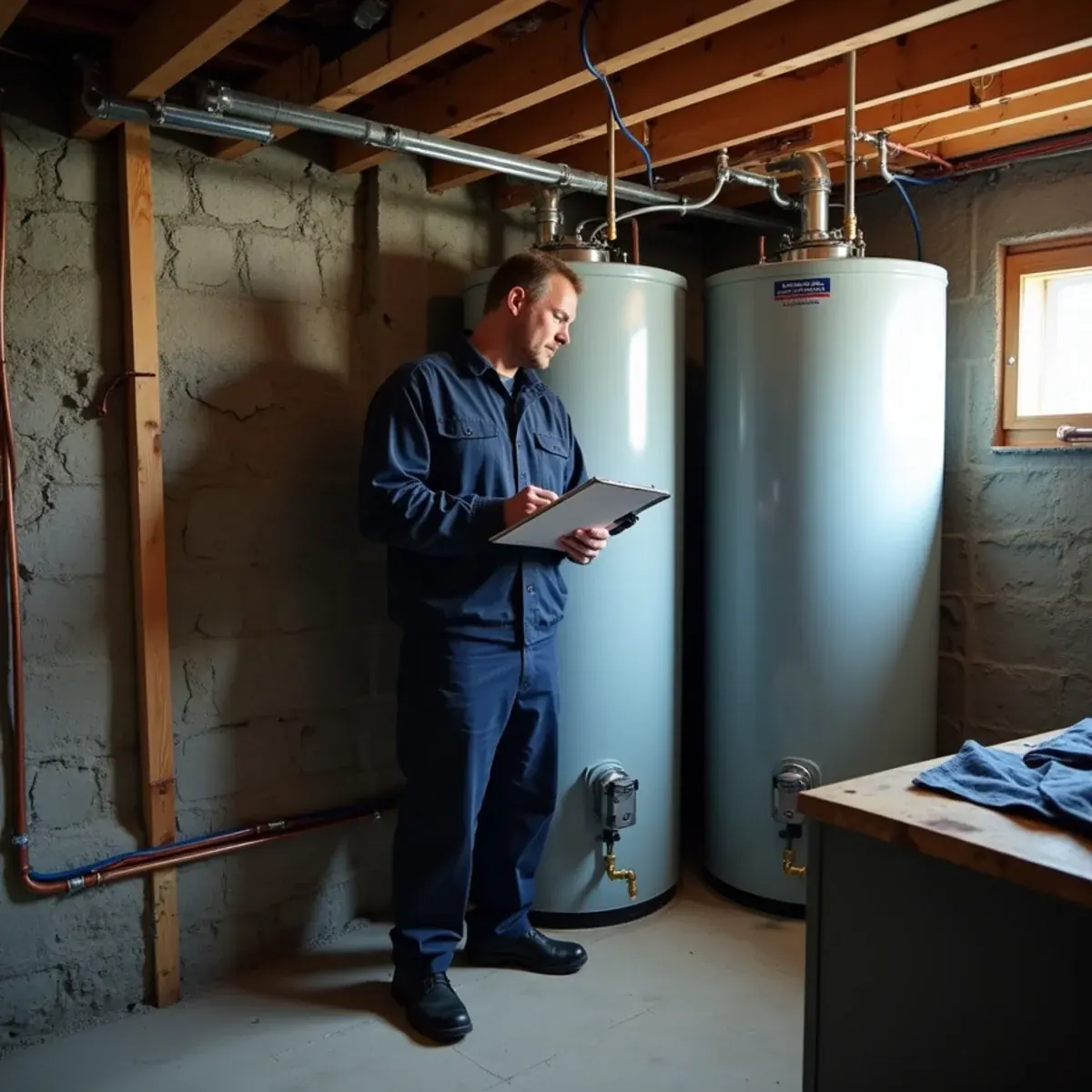
- Full conversions need a stand-alone water heater: a heat pump water heater, an electric tank, or a gas or propane unit. A heat pump water heater pulls heat from the basement air and dries it as it runs, but it needs open space around it and adds to the electrical load.
- An orphaned water heater, a gas or propane unit left alone on a chimney that was built for a boiler, may not draft properly and often needs a liner. Have the venting checked whenever the boiler comes out.
Our water heater service covers tank, tankless and indirect units, so homeowners around Mahopac and Carmel can talk through the hot water side at the same visit as the heat.
From our oil-burner techs: what makes a conversion hold up in year two
The conversions that go well start with your own fuel records, not a brochure. Before anyone sizes a heat pump, pull two or three seasons of oil delivery slips. Gallons burned per winter, weighed against how cold each winter was, say more about your house’s real heat loss than a quick walk-through. If you’re on automatic delivery, your oil company can usually print the history. Bring it to every estimate and ask each contractor how their sizing lines up with it.
Hybrids carry a maintenance catch that sales sheets skip. Once the heat pump handles most of the season, the oil boiler may only fire on the coldest nights, and that’s exactly when it has to light without a fuss. It still needs its yearly oil burner service: new nozzle, new filter, a combustion test. Oil that sits in the tank longer also has more time to collect condensation, so ask for a look at the tank, vent and fill at the same visit.
The other thing we check is how the two systems hand off. A hybrid needs one control strategy, either an outdoor switchover temperature or a dual-fuel thermostat, so the boiler and heat pump don’t answer the same call. When both run together, the boiler covers the load, the heat pump barely works, and the savings you converted for disappear. Expect the switchover to be adjusted after the first real cold stretch.
- Oil delivery history for two or three seasons, to sanity-check the heat-loss numbers
- Age and condition of the tank, vent whistle and fill pipe if the boiler stays as backup
- Where the domestic hot water comes from today
- Whether the chimney will still serve any appliance once the boiler is gone
Planning Your Move Away From Oil
There is no single right answer for every house north of the county line. A 1970s raised ranch with ductwork in Yorktown Heights may be a clean ducted heat pump job, while a Putnam farmhouse on radiators may be better served by a hybrid. Our techs bring a minimum of 15 years in the trade and will lay out your options, including keeping what works. If you are weighing a change, reach out for a heating system assessment and we will walk your home with you.
Frequently asked questions
Can a heat pump heat my Putnam County home through January?
A properly sized cold-climate heat pump can carry most homes through typical Hudson Valley winters. Performance depends on insulation, air sealing and correct sizing from a Manual J load calculation. Many homeowners with older, drafty houses choose a hybrid setup, keeping the oil boiler as backup for the coldest nights, which removes the worry while still cutting oil use sharply.
Do I have to remove my oil tank after converting?
If you stop using oil entirely, the tank should be properly closed. Basement tanks are usually emptied and removed; buried tanks are removed or, where rules allow, abandoned in place after cleaning and filling. Local permit requirements vary, so check with your town. Keep the paperwork, because buyers and insurers commonly ask for it. A hybrid system keeps the tank in service.
Will I need an electrical upgrade for a heat pump?
Possibly. Many older homes have 100-amp service, and a whole-home heat pump adds a significant load. An electrician can do a load calculation to see whether your panel has room. Ductless systems serving a few rooms may fit existing capacity, while a full ducted conversion alongside other electric appliances often calls for a 200-amp upgrade.
Should I keep filling my oil tank while I plan a conversion?
Not all the way. If a conversion is a season or two out, order deliveries that carry you through winter with a modest cushion instead of topping off. Oil left in a tank that’s about to be closed has to be pumped out, and you’ve paid for it. Don’t run the tank close to empty either, since that pulls sludge from the bottom into the filter and nozzle.
How is the switchover temperature set on a hybrid heat pump and boiler system?
There’s no universal number. The switchover point comes from comparing the heat pump’s output at low outdoor temperatures with how much heat your house loses on those days, along with what you pay for oil and electricity. It’s set through an outdoor sensor or a dual-fuel thermostat, and it usually gets fine-tuned after the first cold snap, once you see how the house holds temperature.