Local
After the Flood: Checking Your Furnace and Boiler in Mamaroneck and Port Chester
By Bella Family Air Solutions 4 min read
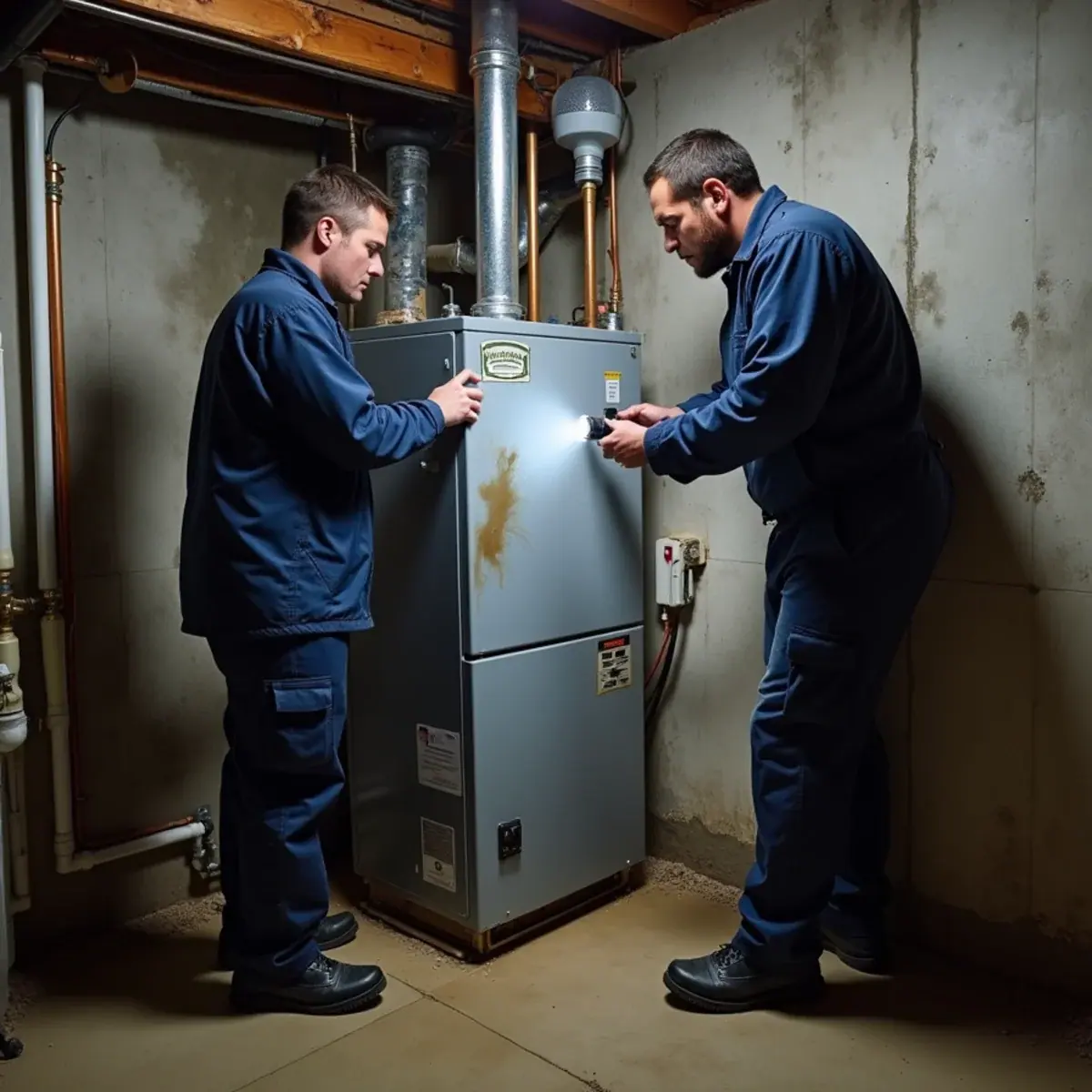
If your furnace or boiler was flooded in Mamaroneck, Port Chester or anywhere along the Sound Shore, the most important rule is simple: do not turn it back on. Gas and oil equipment that has been under water can look fine once it dries, but the controls inside may be corroded, shorted or packed with silt. Restarting it can cause a fire, gas leak or carbon monoxide problem. Here is how to handle the days after the water goes down.
Flooding is a familiar threat in these communities. In Mamaroneck, neighborhoods near the Mamaroneck and Sheldrake rivers were hit hard during the remnants of Hurricane Ida in September 2021. In Port Chester, low areas near the Byram River are also prone to high water during major storms. Basements in both places often hold the boiler, furnace, water heater and oil tank.
Safety First: Before Anyone Goes Downstairs
- Do not step into a flooded basement if the power might be on. Call Con Edison or your utility to disconnect service if the electrical panel or outlets were under water.
- If you smell gas, leave the house immediately and call the gas utility or 911 from outside. Do not operate switches or phones indoors.
- Keep appliances off. Do not flip the emergency switch back on, press reset buttons or relight pilots. Close the manual gas valve to the appliance only if you can reach it safely without wading.
- Watch for oil. A floating or shifted oil tank can leak. Report petroleum spills to the New York State DEC spill hotline.
- Keep carbon monoxide alarms working and don’t use generators indoors or in attached garages.
What Usually Needs Replacement
How much damage you have depends on the water height and whether it was clean rainwater or salt water from a tidal surge. Salt water is more corrosive. Here is what we typically find after a flood.
Furnaces
- Gas valve, ignition control board, flame sensor and igniter.
- Blower motor and capacitor, which often seize or short after immersion.
- Insulation in the cabinet that stays wet and can grow mold.
- Ductwork and returns in the basement. Contaminated ducts often need cleaning, sanitizing or replacement.
- In many cases, the furnace itself, since the heat exchanger and burners may rust quickly.
Boilers
- Gas valve or oil burner assembly, including motor, pump, primary control and igniter.
- Circulators, zone valves and low-water cutoffs.
- Wiring and relay controls.
- Jacket insulation.
- Cast-iron sections can sometimes be saved if the water stayed low, but a full inspection is required.
Water heaters
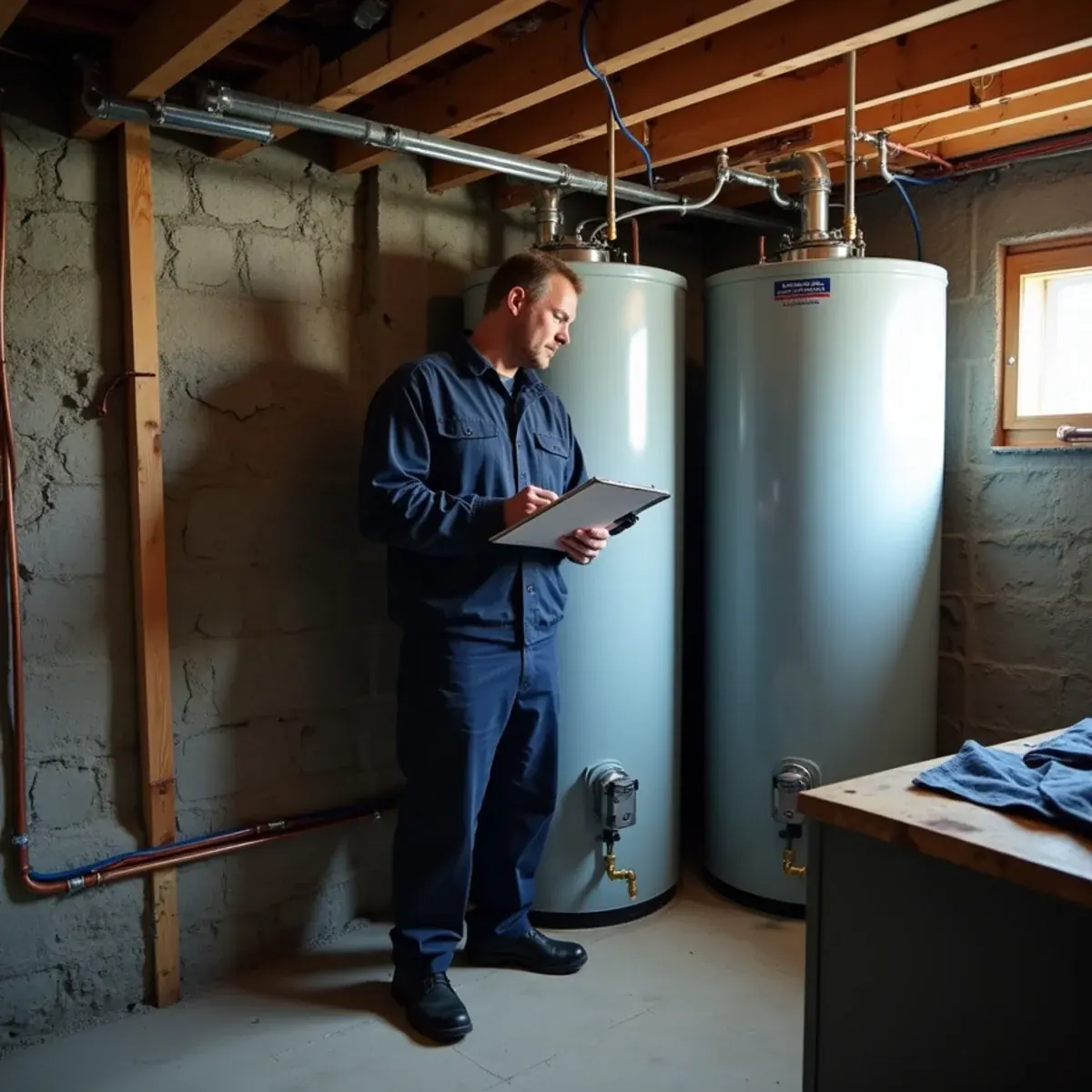
Gas water heaters with a submerged burner and gas valve are usually replaced. The insulation between the tank and jacket soaks up floodwater and cannot be dried properly. Our water heater repair team can size and install a replacement quickly.
Oil-fired systems
Oil equipment brings its own problems. Floodwater that gets into the tank through the vent or fill pipe sinks below the oil and can be drawn into the fuel line, where it ruins the pump and nozzle and can freeze in outdoor lines. After any flood, the tank should be checked for water, the filter and pump strainer replaced, and the fire valve and oil lines inspected. The burner motor and primary control usually need replacement if they were submerged.
Document Everything for Insurance
Flood damage is generally excluded from standard homeowners policies and covered separately through flood insurance, such as a policy through the National Flood Insurance Program. Whatever coverage you have, documentation helps your claim.
- Photograph the water line on each appliance before cleanup, with a tape measure if possible.
- Photograph data plates showing make, model and serial number.
- Keep damaged parts until the adjuster sees them or agrees they can be discarded.
- Ask your technician for a written assessment of what was damaged and why replacement is recommended.
- Keep receipts for emergency heat, pumping and temporary repairs.
We can provide a written summary after our inspection describing what we found. We will tell you plainly which parts can be salvaged and which should be replaced.
Getting Heat and Hot Water Back
Our emergency HVAC repair service is available 24 hours a day. After a flood, we inspect the whole system first, including venting, fuel lines and electrical supply. Then we explain the options, from replacing controls to replacing the appliance. When heat is needed urgently, we focus on the safest, fastest path to a working system. Our heating repair and boiler repair teams handle all makes and models, including oil and gas equipment.
Planning for the Next Storm
- Consider raising equipment on platforms, or relocating it if the basement floods repeatedly.
- Ask about anchoring oil tanks so they cannot float.
- Install a sump pump with a battery backup and a high-water alarm.
- Know where your emergency switch, gas shutoff and electrical panel are.
- Keep appliance manuals and data plate photos stored somewhere safe.
How Do You Stay Warm Safely While Equipment Is Replaced?
A flood in the cold months can leave a house without heat for days while parts, adjusters and permits line up. Temporary heat causes its own emergencies if it’s done carelessly, so keep it simple and electric.
- Use electric space heaters with tip-over shutoff, plugged straight into a wall outlet, never an extension cord or power strip.
- Never heat the house with a gas oven, range burners, a charcoal grill or a generator indoors or in an attached garage.
- Keep space heaters away from wet floors, curtains and bedding, and turn them off when you leave the room.
- If the power is back but the boiler isn’t, open sink cabinets on outside walls and let faucets drip to protect pipes.
- Test every carbon monoxide alarm once the power returns.
What our crews learn in the weeks after a Sound Shore flood
The most dangerous flooded system is the one that seemed to work. A typical post-flood call goes like this: the basement was pumped out, the furnace or water heater was switched back on, and it ran fine for a week. Then the gas valve sticks, a relay welds shut, or a corroded ignition board sends the wrong signal. Corrosion keeps working after the water leaves, which is why a clean first start proves very little.
The water itself changes our assessment. River flooding from heavy rain carries silt, sewage and fuel oil but little salt. A tidal surge off the Sound pushes in salt water, which corrodes steel cabinets, copper and electrical contacts much faster. When oil from a shifted tank is floating on the water, everything it touched needs cleaning or replacement, including duct insulation and the boiler jacket.
There is a real trade-off on cast-iron boilers. If the water stayed below the burner and controls, a sound block can sometimes be kept and fitted with a new burner, controls, circulators and jacket insulation. If the block sat submerged, or the boiler was already old, replacement is usually the better value and the safer call. We lay out both paths in writing so your adjuster sees the reasoning, and we don’t install mismatched parts just to get heat back faster.
- Home-warranty plans usually exclude flood damage; check before opening a claim.
- Photograph the flue pipe, circulators and oil lines along with the appliances.
- Ask for replacement equipment to be set above the last flood line.
Take It Slow and Get It Checked
After a flood, the urge to get the heat back on is understandable. But restarting equipment that was under water puts your family at risk. Keep it off, document the damage, and have a qualified technician inspect it. When you are ready, call us and we will walk through the basement with you and explain what we find.
Frequently asked questions
Can I restart my furnace after it was under water?
No. Even if it looks dry, the gas valve, controls, wiring and motors may be corroded or damaged inside. Restarting a flooded furnace can cause a fire, gas leak or carbon monoxide problem. Leave it off and have a qualified technician inspect it. In many cases the gas valve and controls must be replaced before the unit can be used safely.
Does insurance cover a flooded boiler?
It depends on your policy. Standard homeowners insurance usually excludes flood damage, while separate flood insurance may cover heating equipment and water heaters. Document the water line, take photos of data plates, keep damaged parts, and get a written technician assessment. Contact your insurance agent to confirm what is covered before starting major replacement work.
What should I do if my oil tank moved during the flood?
Keep the burner off and check for oil on the water or a fuel smell. A tank that shifted may have damaged lines or fittings. Petroleum spills in New York must be reported to the state DEC spill hotline. Have the tank, lines and fire valve inspected before any oil equipment is restarted.
Does a replacement boiler in a flood zone have to be raised?
Often, yes. In a mapped flood hazard area, building codes and local floodplain rules generally require new or replacement heating equipment to sit above the design flood elevation or be otherwise protected. The exact height depends on your property’s flood zone and the village or town building department. Confirm it before the new unit is ordered, because a raised platform can change venting and piping.
Should the chimney and vent be checked after a basement flood?
Yes. Floodwater can leave silt and debris in the chimney base, rust the flue pipe between the boiler and chimney, and block a side-wall vent terminal that sits low on the house. Any of these can push exhaust back into the basement once the heat is running again. A proper post-flood inspection includes the venting path and a draft test, not just the appliance.